
US and Japan Confirm Rare Joint Intervention to Halt Yen’s 40-Year Slide
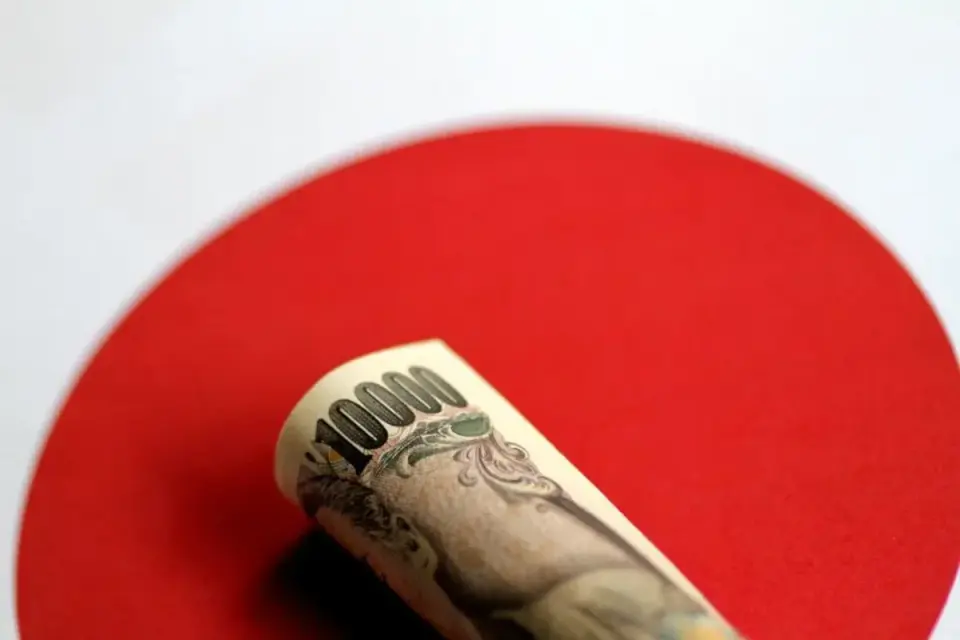
The United States and Japan confirmed a coordinated foreign exchange intervention to support the Japanese yen, which had fallen to its lowest level in four decades. President Donald Trump and Japanese Finance Minister Satsuki Katayama acknowledged the joint action, which involved the US Treasury selling euros to buy yen. While the move initially boosted the yen by approximately 5%, analysts remain skeptical about a sustained recovery due to persistent interest rate differentials and Japan’s fiscal expansion.
Key points
- The US Treasury and Japan’s Ministry of Finance executed a joint intervention last week, marking the first coordinated action of its kind in over a decade.
- The yen had depreciated to levels not seen since the early 1980s, briefly exceeding 163 per dollar in July before the intervention.
- Reports indicate the US Treasury sold euros rather than dollars to purchase yen, a move that surprised market participants and raised questions about the efficacy of the support.
- Treasury Secretary Scott Bessent stated the US would not hesitate to participate in further joint interventions if necessary.
- The intervention was prompted by 'excessive volatility' and 'disorderly movements' in the yen, exacerbated by rising energy costs from the US-Iran conflict.
Background
The yen has faced sustained pressure in 2026 due to Japan’s low interest rates compared to the US, high energy import costs, and fiscal expansion. Previous unilateral interventions by Japan in April 2026 and rate checks by the US in July failed to produce lasting stability. This joint action follows a period of significant depreciation, with the currency falling from approximately 147 per dollar a year prior to multi-decade lows.
How outlets are covering it
While CNN and The New York Times emphasized the historic nature of the bilateral cooperation and the immediate price impact, CNBC and UBS analysts argued that the intervention offers only temporary relief. UBS strategists noted that the Bank of Japan’s gradual policy normalization and negative real rates continue to undermine the yen’s fundamentals. Brookings Institution senior fellow Robin Brooks suggested that the US decision to sell euros instead of dollars might weaken confidence in the intervention, as it implies a desire to avoid selling US Treasuries. Conversely, CNN highlighted that a stronger yen benefits the US by making American exports more competitive, while The New York Times focused on the diplomatic coordination between Washington and Tokyo.
Why it matters
The intervention signals a shift in US monetary policy toward active support for allied currencies, potentially affecting global capital flows. A sustained yen weakness could fuel inflation in Japan and disrupt US Treasury markets, while a successful stabilization could reduce volatility in Asian markets. The use of euros for the transaction introduces new complexities into international reserve management and may influence future expectations for central bank cooperation.
What to watch
Markets will monitor whether the yen maintains its recent gains or reverts to previous lows. The Federal Reserve’s decision on interest rates in September will be a key factor in determining the dollar’s strength. Japan’s Bank of Japan may be pressured to accelerate rate hikes or adjust fiscal policies to support the currency, while the US Treasury has signaled readiness for further interventions if the yen weakens again.
- Japan, US confirm joint yen-buying intervention, signal more action Yahoo Finance
- U.S. and Japan Coordinated to Help Stabilize the Yen The New York Times
- What the market is saying about the U.S. intervention to prop up the yen CNBC
- The US has stepped in to buy Japanese yen. Why? CNN
- World stocks are mixed as yen jumps against the dollar, while oil prices slip AP News
Want the full story? Read the original reporting
Read on Yahoo Finance