
Oil Eases From Six-Month Highs as Saudi-Iran Talks Begin Amid Houthi Strikes
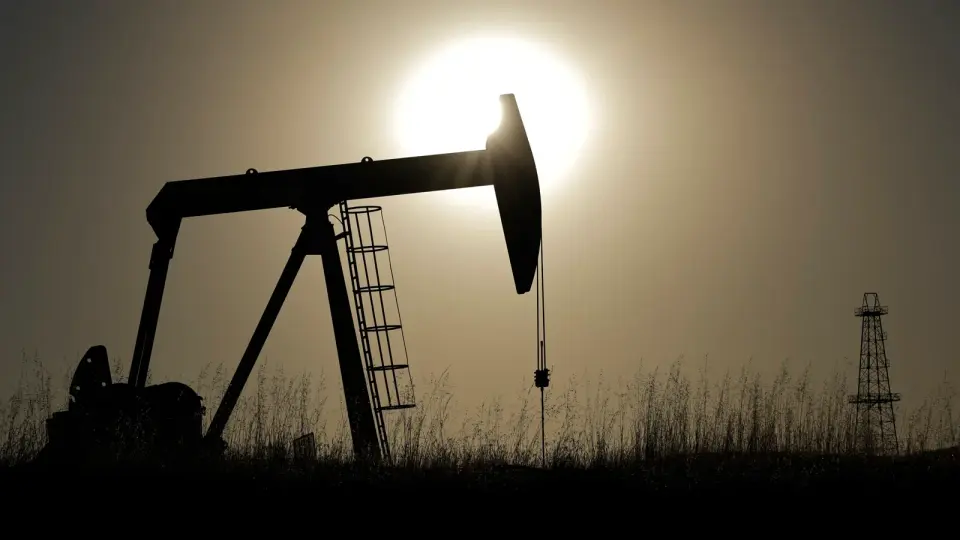
Crude oil prices declined on Monday, pulling back from recent six-month highs, as Saudi Arabia and Iran held diplomatic talks in Tehran to de-escalate regional tensions. Despite the diplomatic efforts, prices remained elevated due to continued Houthi attacks on Saudi infrastructure and uncertainty regarding U.S. policy toward Iran.
Key points
- WTI crude fell 1.2% to $102.05 and Brent crude dropped 0.7% to $115.86, reversing some of Friday's sharp gains.
- Saudi Defense Minister Prince Khalid bin Salman met with Iranian President Masoud Pezeshkian and security officials in Tehran, joined by representatives from Pakistan and Turkey.
- Houthi militants continued attacks on Saudi Arabia, targeting Riyadh's airport and oil facilities, though Saudi authorities reported intercepting additional missiles and drones.
- Michael Alfaro of Gallo Partners estimated that geopolitical uncertainty has added approximately $20 per barrel to oil prices, warning that a Brent price above $120 could trigger demand destruction.
- Saudi Arabia and Singapore agreed that Saudi Aramco will begin storing crude oil in Singapore from the second half of 2027 to enhance supply chain resilience.
Background
Oil prices have been volatile since the U.S.-Iran conflict began in February 2026. In September, prices fell for six consecutive days following U.S.-Iran talks and the partial restart of Saudi Arabia's East-West pipeline. However, prices surged in October, reaching a six-month high of $117 per barrel for Brent crude, driven by Houthi attacks and depleted global strategic reserves. The current pullback follows a week of sharp gains, with Brent finishing the previous week up 6%.
How outlets are covering it
CNBC emphasizes the diplomatic efforts between Saudi Arabia and Iran as a key factor in the price decline, noting the participation of Pakistan and Turkey in the talks. Yahoo Finance highlights the persistent Houthi attacks on Saudi infrastructure, including the East-West pipeline and Riyadh airport, as a reason for continued investor wariness. Financial Times focuses on the broader geopolitical uncertainty, including U.S. President Donald Trump's ambiguous stance on further attacks or a deal with Iran, and notes that oil prices have regained their position as a primary concern for global markets. All sources agree that while diplomatic talks offer some relief, the risk of further escalation remains high.
Why it matters
The stability of oil prices is critical for global inflation and economic growth. Continued disruptions to Saudi Arabia's energy infrastructure could lead to higher fuel prices and supply shortages, impacting consumers and businesses worldwide. The diplomatic talks between Saudi Arabia and Iran are crucial for de-escalating tensions and ensuring the stability of global energy supplies.
What to watch
Investors will closely monitor the outcomes of the Saudi-Iran talks in Tehran and any further Houthi attacks on Saudi infrastructure. The U.S. Energy Department's release of 400,000 barrels from the Strategic Petroleum Reserve to address a supply disruption at a Louisiana refinery may also impact prices. Additionally, the prospect of further U.S. actions against Iran or a potential deal will influence market sentiment.
- Oil slides over 2% as traders weigh Saudi attack risks, demand destruction CNBC
- Oil Prices Fall as Traders Weigh U.S.-Iran Diplomacy, Saudi Attacks WSJ
- Oil slips but stays near six-month highs on Saudi attacks Reuters
- Oil drops from near six-month highs on hopes Iran war hostilities to ease Yahoo Finance
- Oil price falls back as traders remain focused on Middle East conflict Financial Times
Want the full story? Read the original reporting
Read on CNBC