
Yen Gains Fade After Intervention as Policy Focus Returns
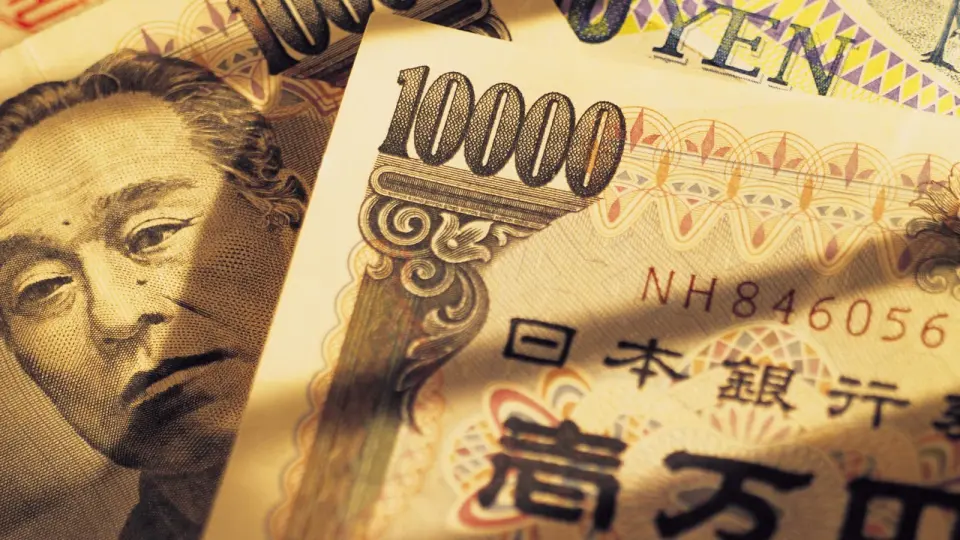
The Japanese yen has lost nearly half of its post-intervention gains, slipping from 155 to 158.50 per dollar. While the joint US-Japan effort briefly stabilized the currency, analysts argue that without significant domestic policy shifts, the rally is unsustainable. Treasury Secretary Scott Bessent acknowledged that intervention alone cannot reverse the trend, emphasizing that long-term stability depends on Japan's monetary policy direction.
Key points
- The yen rebounded to 155 per dollar following the July 31 joint intervention but has since retreated to 158.50.
- Treasury Secretary Scott Bessent stated that intervention provides signals, but policy changes are required to turn the currency's trend.
- Robert Sockin of PGIM expressed skepticism that the intervention will reverse the yen's weakness, warning it could backfire by triggering speculative selling.
- BofA noted that the 155 level was only briefly touched before the currency weakened again, suggesting limited short-term impact.
Background
This development follows earlier concerns that the yen had hit a 40-year low, prompting fears of global market instability. Previous analysis suggested that the US intervention, which involved selling euros to buy yen, was a rare move that highlighted tensions in reserve currency dominance and the need for stronger fundamental support from the Bank of Japan.
How outlets are covering it
CNBC reports that market focus has shifted from the immediate impact of the intervention to domestic policy changes, noting that the yen has given up significant gains. The Washington Post offers a critical view, suggesting that Treasury Secretary Scott Bessent's approach resembles hedge fund tactics rather than traditional diplomatic coordination, implying that the intervention may be a short-term tactical move rather than a strategic solution. While CNBC highlights the technical retreat of the yen, the Post questions the broader implications of such aggressive market management by the US Treasury.
Why it matters
The fading yen rally indicates that currency interventions may not be sufficient to address structural weaknesses in the Japanese economy. If the yen continues to weaken, it could fuel inflation in Japan and pressure other Asian currencies, potentially destabilizing global financial markets. The episode underscores the limits of government-backed support without accompanying policy reforms.
What to watch
Market watchers will monitor the Bank of Japan's policy decisions and any further signals from the US Treasury. If the yen continues to drift lower, it may indicate that the intervention was ineffective in the long term, potentially leading to increased volatility in foreign exchange markets and further scrutiny of Japan's monetary strategy.
- Yen rally fades a week after U.S.-Japan intervention as focus shifts to policy CNBC
- Opinion | The Real Reason Behind Trump’s Yen Intervention The New York Times
- Bessent’s Defense of the Yen Is a Risky Innovation Bloomberg.com
- Opinion | The Treasury Department isn’t a hedge fund The Washington Post
- Why is the US Treasury propping up Japanese yen? Experts explain ABC News - Breaking News, Latest News and Videos
Want the full story? Read the original reporting
Read on CNBC