
FDA-Approved Lipfendra Offers Oral Alternative to Injectable Cholesterol Drugs
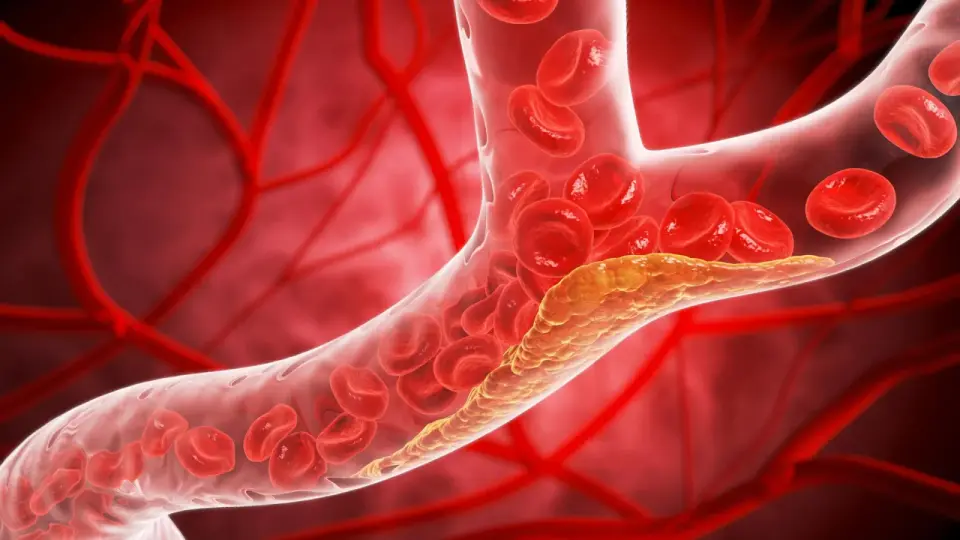
The FDA has approved Lipfendra (enlicitide), the first once-daily oral pill in the PCSK9 inhibitor class, which reduces 'bad' LDL cholesterol by up to 65% in patients already taking statins. This new treatment offers a needle-free alternative to existing injectable therapies, with a 30-day supply costing $315. While the drug shows strong lipid-lowering efficacy and a favorable safety profile, it has not yet been proven to reduce the risk of heart attacks or strokes.
Key points
- Lipfendra (enlicitide) is the first FDA-approved oral PCSK9 inhibitor, available as a once-daily 20 mg tablet for adults with hypercholesterolemia.
- Clinical trials show enlicitide reduces LDL cholesterol by approximately 57% to 65% in patients already on statins, matching the efficacy of injectable PCSK9 inhibitors like evolocumab and alirocumab.
- In comparative trials, enlicitide outperformed other oral cholesterol treatments, reducing LDL by 65% compared to 28% for ezetimibe and 6% for bempedoic acid.
- The drug is generally well-tolerated, with diarrhea and dizziness reported slightly more often than in placebo groups, but no significant increase in serious adverse events.
- Patients must take Lipfendra in the morning on an empty stomach and wait 30 minutes before eating or drinking anything other than water, black coffee, or plain tea.
- A 30-day supply of Lipfendra costs $315, potentially offering a more affordable option than injectable PCSK9 inhibitors.
Background
PCSK9 inhibitors are a class of drugs that help the liver remove cholesterol from the bloodstream by blocking the PCSK9 enzyme, which normally degrades LDL receptors. Previously, this class included only injectable monoclonal antibodies (evolocumab, alirocumab) and small interfering RNA therapies (inclisiran), which required subcutaneous injections. Enlicitide, developed by Merck, is a macrocyclic peptide formulated as a decanoate salt to improve oral bioavailability. It received FDA approval in July 2026 based on two Phase 3 trials (CORALreef Lipids and CORALreef HeFH) involving over 3,200 adults. The drug aims to address adherence barriers associated with injectable therapies by offering a convenient oral alternative.
How outlets are covering it
ScienceDaily and UA.NEWS emphasize the practical benefits of Lipfendra for patients who struggle with injections or have difficulty tolerating existing oral medications, highlighting its comparable efficacy to injectable PCSK9 inhibitors and lower cost. Bioengineer.org provides a broader scientific perspective, citing a meta-analysis of five randomized controlled trials that confirms an average 58.37% reduction in LDL cholesterol across multiple oral PCSK9 inhibitors, including enlicitide, NNC0385-0434, and AZD0780. While all sources agree on the drug's lipid-lowering potency, Bioengineer.org stresses the lack of evidence for cardiovascular outcome benefits, noting that current trials focus on surrogate biochemical markers rather than hard endpoints like myocardial infarction or stroke. ScienceDaily and UA.NEWS also note this limitation but frame it as a future research priority rather than a current barrier to use.
Why it matters
Lipfendra expands treatment options for patients with high cholesterol, particularly those who cannot tolerate or access injectable therapies. By offering a once-daily oral pill with strong LDL reduction and a favorable safety profile, it may improve adherence and accessibility. However, the lack of cardiovascular outcome data means its long-term benefits for preventing heart attacks and strokes remain unproven, limiting its immediate impact on preventive cardiology guidelines.
What to watch
The CORALreef Outcomes trial, an ongoing cardiovascular outcome study, will determine whether enlicitide reduces the risk of heart attacks, strokes, and mortality. Results from this trial are expected to clarify the drug's role in preventive cardiology. Additionally, long-term studies will evaluate real-world adherence, tolerability beyond 52 weeks, and cost-effectiveness. Until these results are available, enlicitide will remain an option for LDL reduction but not for proven cardiovascular event prevention.
Want the full story? Read the original reporting
Read on Science Daily