Tag

Pcsk9 Inhibitors

All articles tagged with #pcsk9 inhibitors

Amgen’s Repatha outperforms ezetimibe in large real-world heart attack risk study
health17 days ago

Amgen’s Repatha outperforms ezetimibe in large real-world heart attack risk study

A new real-world study involving over 544,000 adults with atherosclerotic cardiovascular disease found that Amgen’s injectable PCSK9 inhibitor Repatha (evolocumab) reduced the risk of fatal or nonfatal heart attacks by 20% compared with the oral cholesterol absorption inhibitor ezetimibe. The findings, published in The American Journal of Preventive Cardiology, provide direct comparative evidence for clinicians deciding on non-statin therapies for patients who cannot reach LDL cholesterol goals with statins alone.
Merck’s Lipfendra becomes first oral PCSK9 inhibitor, reshaping cholesterol care
health-and-science3 months ago

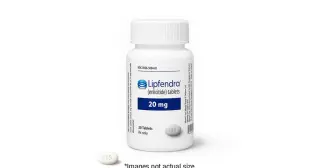
Merck’s Lipfendra becomes first oral PCSK9 inhibitor, reshaping cholesterol care

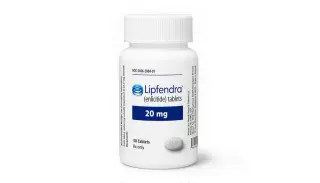
The FDA has approved Merck’s Lipfendra (enlicitide), the first oral PCSK9 inhibitor, after a decade of development. This macrocyclic peptide lowers LDL cholesterol by nearly 60% and offers an alternative to injectable treatments for patients whose statin therapy is insufficient. While it requires fasting before and after dosing, experts believe its pill format may improve access compared to injections. Merck aims to expand the market, which currently has low penetration, rather than just compete with existing injectables.

Cholesterol drug cuts first cardiovascular events by 31% in diabetics without artery disease
health-and-medicine7 months ago

Cholesterol drug cuts first cardiovascular events by 31% in diabetics without artery disease

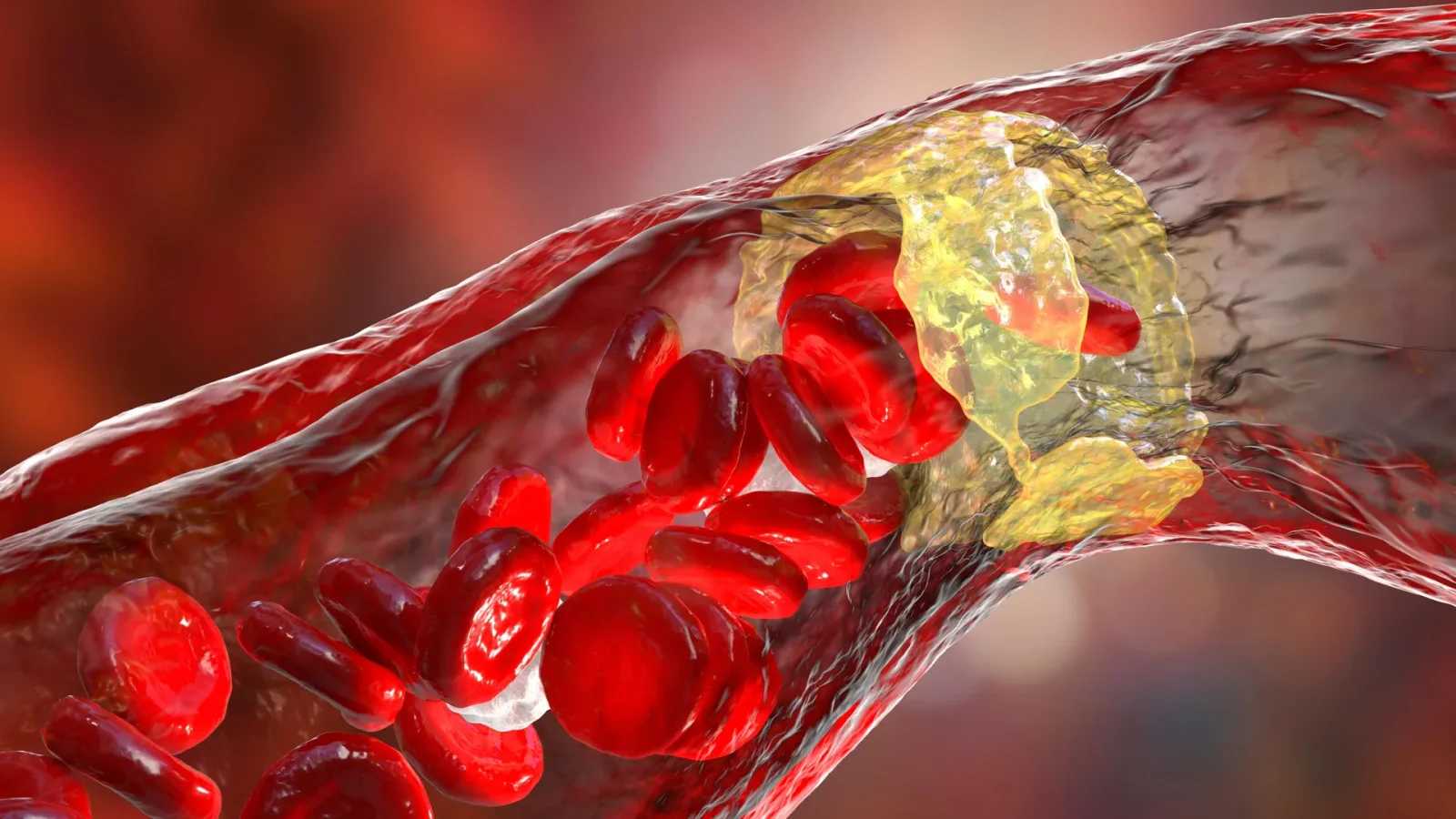
A Mass General Brigham study finds the PCSK9 inhibitor evolocumab, added to standard therapy, reduces the risk of a first major cardiovascular event by 31% over ~5 years in high‑risk diabetics without diagnosed atherosclerosis, with about a 51% drop in LDL‑C. Safety was similar to placebo, suggesting earlier intensive cholesterol lowering may prevent heart attacks and strokes in patients without established artery disease; results were presented at the ACC and published in JAMA.

Breakthrough Vaccine Lowers Cholesterol, Revolutionizing Heart Health
health2 years ago

Breakthrough Vaccine Lowers Cholesterol, Revolutionizing Heart Health

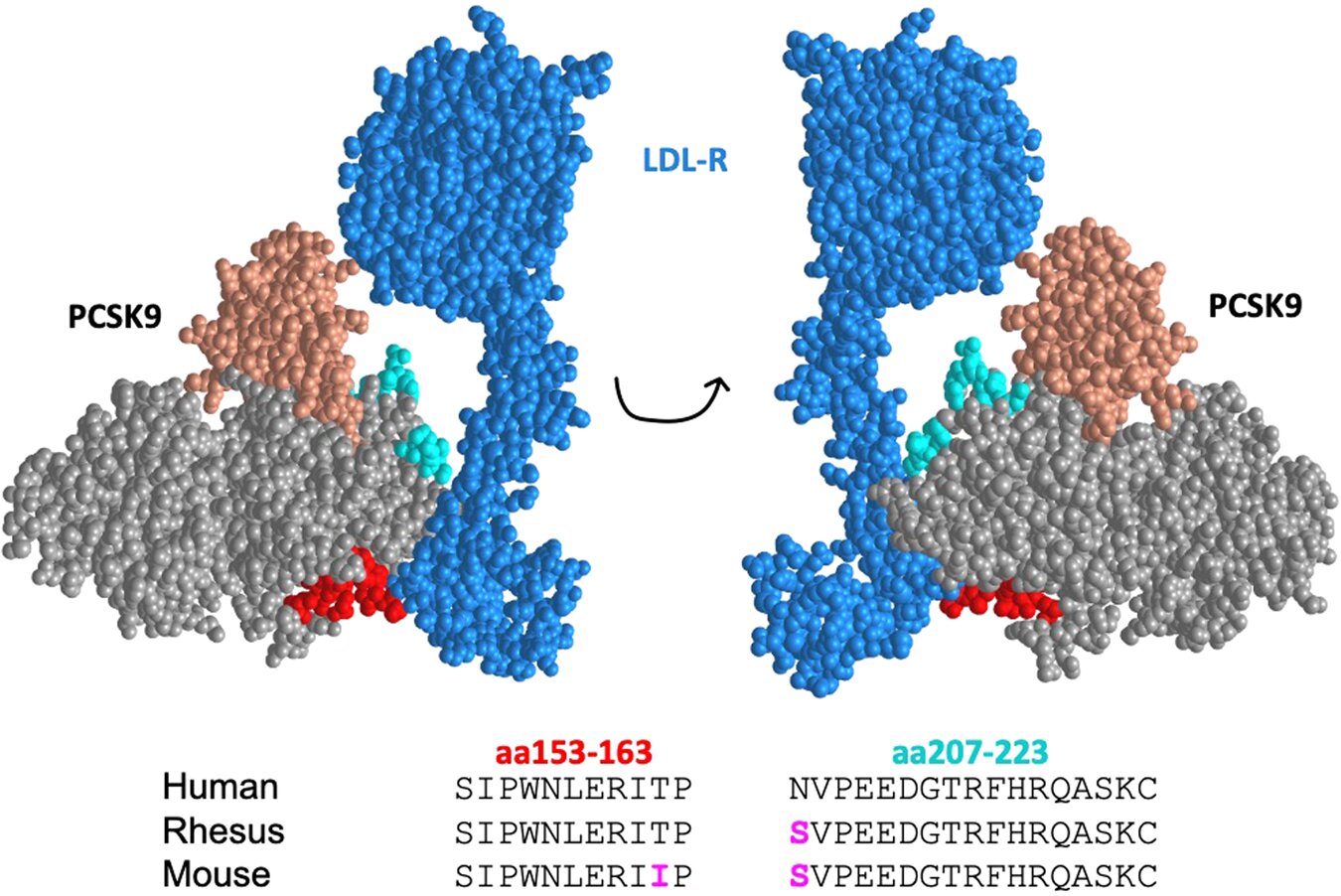
Researchers at The University of New Mexico School of Medicine have developed a vaccine that could lower "bad" LDL cholesterol, which can lead to heart disease and stroke. The vaccine, which targets the PCSK9 protein, has been shown to reduce cholesterol levels by up to 30% in animal studies. The researchers hope to move into vaccine manufacturing and clinical trials with humans in the next few years, with the goal of creating a pure, safe, and affordable vaccine that could have a global impact on heart disease.

Potential Lung Risks Found in New Cholesterol Medications, Reveals Global Study
health3 years ago

Potential Lung Risks Found in New Cholesterol Medications, Reveals Global Study

A groundbreaking global study analyzing genetic data from 340,000 UK Biobank participants has found that PCSK9 inhibitors, a new class of cholesterol-lowering drugs, could potentially impair lung function. The study also revealed correlations between statins and higher BMI, body fat, and reduced testosterone, while unexpectedly noting an increase in hippocampus brain volume that may lower dementia and depression risks. Further research is needed to understand the long-term effects of these medications and to assess their safety and potential benefits.

Managing Cardiovascular Disease Through Cholesterol Reduction.
healthcare3 years ago

Managing Cardiovascular Disease Through Cholesterol Reduction.

Patients with cardiovascular diseases often have much higher LDL cholesterol levels than recommended in the guidelines, and only a minority of patients receive combination therapy, and PCSK9 inhibitors are rarely prescribed. The recent SANTORINI study once again highlights the need for the intensive application of lipid-lowering drugs. The DA-VINCI study showed a massive discrepancy between the target levels of LDL cholesterol stipulated in the European Society of Cardiology/European Atherosclerosis Society (ESC/EAS) guidelines and the levels achieved in clinical practice.