
FDA Clears Neuralink to Launch Pivotal ALS Brain Implant Trial
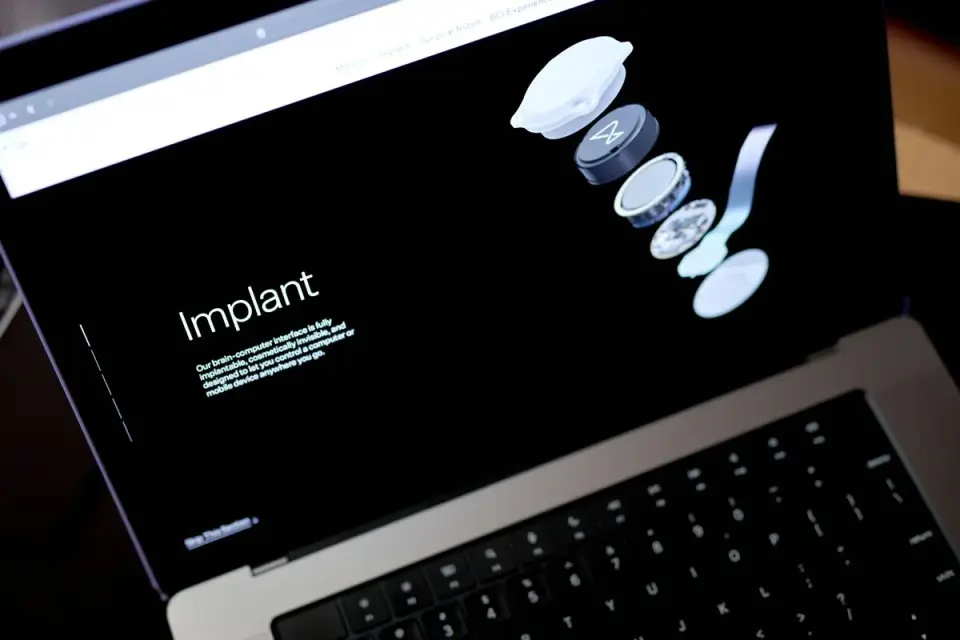
Elon Musk’s Neuralink has received U.S. Food and Drug Administration (FDA) approval to begin the LINK Pivotal Study, the first pivotal trial for an implantable brain-computer interface in the United States. The study aims to evaluate the safety and effectiveness of the device for individuals with severe paralysis caused by amyotrophic lateral sclerosis (ALS). Enrollment is now open, building on earlier feasibility trials involving over 30 participants across the U.S., Canada, and the U.K.
Key points
- The FDA approved the LINK Pivotal Study, which will assess the safety and efficacy of Neuralink’s brain-computer interface in patients with ALS-related severe paralysis.
- The trial builds on early feasibility studies involving more than 30 participants who have used the implants for thousands of hours in real-world settings.
- The study focuses on functional outcomes, specifically the ability to control digital devices through thought to improve daily independence.
- Enrollment for the LINK Pivotal Study is currently open, with plans to expand access over time.
- This is the first pivotal trial for an implantable brain-computer interface in the U.S., marking a step toward commercial market availability.
Background
Neuralink, founded in 2016 by Elon Musk, previously received FDA approval for its first human clinical trial in May 2023. The first human implant was performed in January 2024. In late 2025, the company conducted its first surgeries outside the U.S. in Canada. Recent developments in the field include UC Davis researchers demonstrating real-time speech and singing via brain implants in ALS patients in November 2026, and a competitor, Synchron, pausing its own trials in November 2026 due to cable performance issues.
How outlets are covering it
Bloomberg reports that the FDA approval allows Neuralink to start a pivotal trial to evaluate safety and effectiveness for ALS patients, noting the study builds on early feasibility work. Neuralink’s official statement emphasizes that the LINK Pivotal Study is the first of its kind in the U.S. and highlights the real-world usage data from over 30 participants, including activities like pursuing education and playing video games. Both sources agree on the core facts of the approval and the trial’s focus on ALS, but Neuralink provides more detail on the specific functional outcomes and the international scope of prior trials.
Why it matters
This approval represents a critical regulatory milestone for brain-computer interface technology, moving it from early feasibility testing to a pivotal phase that could lead to commercial availability. Success in this trial could significantly improve autonomy and communication for individuals with severe neurological conditions, potentially setting a precedent for the broader adoption of such medical devices.
What to watch
Neuralink is currently open for enrollment in the LINK Pivotal Study and plans to expand access over time. The company will continue to assess the long-term safety and reliability of the system across multiple clinical sites. The results of this pivotal trial will determine whether the technology can be brought to market to restore autonomy for individuals with severe paralysis.
- Neuralink Gets Clearance for Brain-Implant Trial in ALS Patients Bloomberg
- Neuralink Receives FDA Approval to Launch LINK Pivotal Study Neuralink
- Elon Musk’s Neuralink Moves Toward Implanting Computer Chips in Human Brain Newsweek
- Neuralink receives FDA approval to launch pivotal brain implant trial for ALS MobiHealthNews
- Neuralink's brain-computer interface chip is progressing to an FDA-approved trial, but China is catching up Yahoo Tech
Want the full story? Read the original reporting
Read on Bloomberg