
FDA Panel Overrides Scientists to Greenlight Six Peptides for Compounding
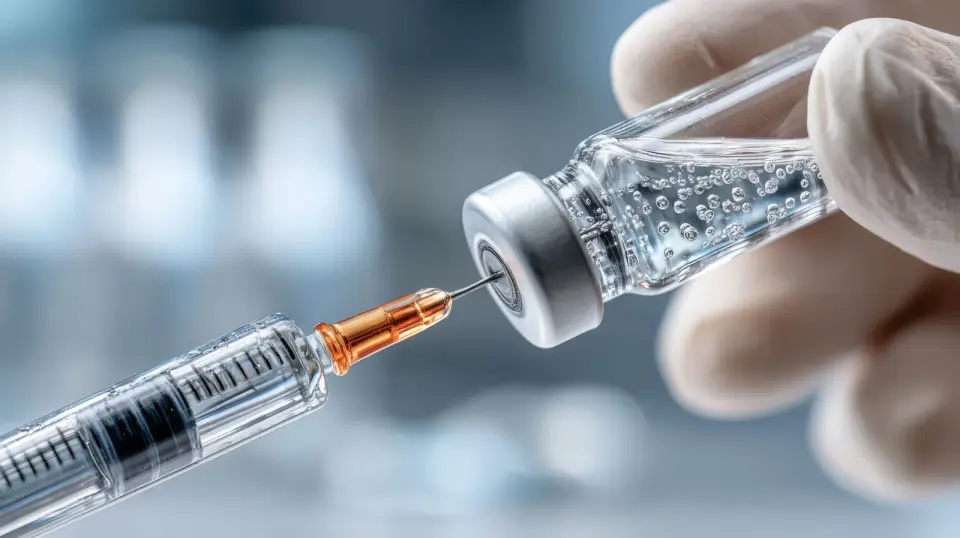
The FDA’s Pharmacy Compounding Advisory Committee narrowly voted to recommend six peptides for the 503A Bulks List, overriding agency scientists who advised against inclusion due to insufficient safety data. This move, aligned with HHS Secretary Robert F. Kennedy Jr.’s advocacy, could allow compounding pharmacies to produce these unapproved drugs, though formal rulemaking remains pending.
Key points
- The committee voted to include BPC-157, KPV, TB-500, MOTS-c, Semax, and Epitalon, rejecting only emideltide.
- FDA career scientists opposed all seven substances, citing short, underpowered studies and safety risks.
- The panel’s composition included members with financial ties to the peptide industry, drawing conflict-of-interest scrutiny.
- Legal access requires FDA acceptance and notice-and-comment rulemaking, a process that could take over a year.
- HHS Secretary Kennedy Jr. has expressed support for peptides and may expedite the regulatory process.
Background
In July 2026, the FDA’s Pharmacy Compounding Advisory Committee (PCAC) met to review seven peptides previously restricted under Category 2 due to safety concerns. Prior to this meeting, the FDA had maintained these substances as unproven and potentially dangerous, prohibiting their compounding. The current vote represents a significant shift from the agency’s previous stance, aligning with broader 'medical freedom' narratives promoted by HHS leadership. Earlier archival coverage noted that while supporters view this as a step toward safer access via licensed pharmacies, critics warn it bypasses standard safety safeguards. The 2023 FDA restrictions on these peptides were a response to limited clinical evidence and potential risks, including immunogenicity and carcinogenicity concerns.
How outlets are covering it
AJMC and CNN report that the committee’s votes were narrow, with BPC-157, KPV, and TB-500 passing 8-6, and MOTS-c passing 7-5, all against the written recommendations of FDA scientists. CNN highlights that while the committee sees compounding as a safer alternative to the unregulated gray market, FDA experts argue that market-driven demand should not replace scientific evidence. The Guardian emphasizes the conflict of interest, noting that many committee members have financial ties to the peptide industry, including clinics and compounding pharmacies. The New York Times opinion piece frames this as a 'medical freedom' issue, arguing that unregulated access to unproven drugs increases public health risks, similar to the cyclosporiasis outbreak and measles cases seen in 2026. AJMC notes that payers should expect continued cash-pay utilization and unregulated online procurement, necessitating rigorous medication reconciliation. The Guardian also points out that Hims & Hers stock prices surged after the vote, indicating market anticipation of expanded access.
Why it matters
This decision could reshape the landscape for peptide access in the US, potentially allowing compounding pharmacies to produce these substances without full FDA approval. However, the lack of robust safety and efficacy data raises concerns about patient safety and the integrity of the regulatory process. The involvement of industry-aligned committee members and the potential for expedited rulemaking by HHS leadership could accelerate the availability of these drugs, but it also risks undermining the evidence-based approach to drug regulation. For patients, this means increased access to unproven treatments, but also greater exposure to potential risks and side effects. For the healthcare system, it could lead to a surge in cash-pay utilization and unregulated online procurement, complicating medication reconciliation and adverse-event monitoring.
What to watch
The FDA must decide whether to accept the committee’s nonbinding recommendations. If accepted, the agency will proceed through notice-and-comment rulemaking, including a proposed rule, public comment period, and final rule. This process could take more than a year. HHS Secretary Kennedy Jr. may seek to expedite the process, given his stated support for peptides. In the interim, patients are likely to continue using peptides sourced from unregulated online sellers, and managed care organizations should prioritize medication reconciliation and safety counseling. The FDA is also consulting with the United States Pharmacopeia before making a final decision.
- FDA Panel Backs 6 Peptides for Compounding ajmc.com
- Opinion | If This Is Medical Freedom, Why Do I Feel Trapped? nytimes.com
- No, Peptides Aren’t ‘Legal’ Now. Here’s Where Things Stand. WSJ
- ‘It’s a peptide wild west’: how RFK Jr is clearing way for a market of untested drugs The Guardian
- FDA advisers support easing restrictions on six peptides. Here’s what those drugs are and what happens next CNN
Want the full story? Read the original reporting
Read on ajmc.com