
FDA Mandates Class-Wide Warnings for GLP-1 Drugs Over Rare Eye Condition
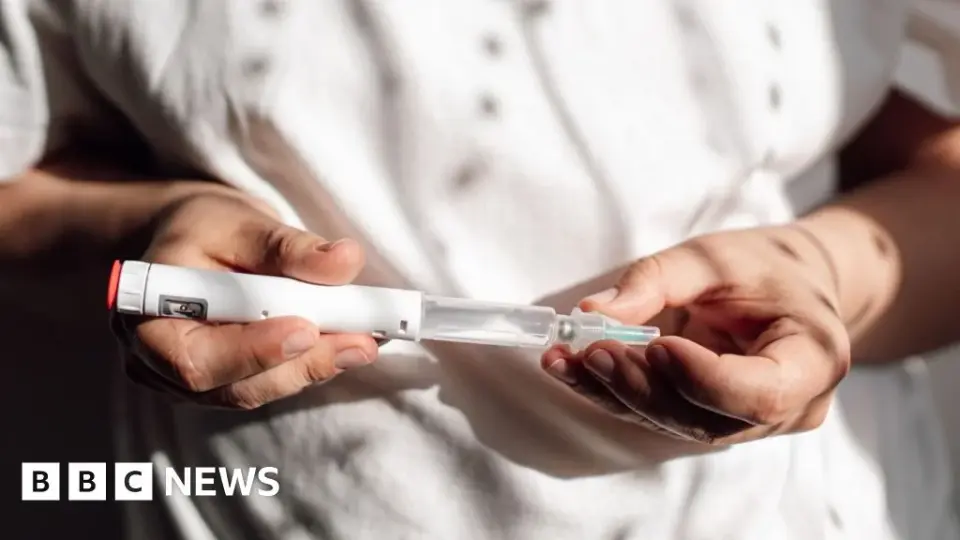
The US Food and Drug Administration (FDA) has required manufacturers of all GLP-1 receptor agonists, including Ozempic, Wegovy, Mounjaro, and Zepbound, to add warning labels regarding nonarteritic anterior ischemic optic neuropathy (NAION). This rare condition can cause sudden, painless vision loss or permanent blindness in one eye. The decision follows a review of 126 clinical trials involving over 134,000 patients, which found a higher incidence of NAION among GLP-1 users compared to placebo groups. While the FDA notes that a direct causal mechanism has not been established, the agency determined that the potential increased risk warrants a class-wide labeling update. Manufacturers, including Novo Nordisk and Eli Lilly, have stated that the data do not prove a cause-and-effect relationship and that the overall risk remains low. Medical experts advise patients not to stop their medication but to seek immediate ophthalmological care if they experience sudden vision changes.
Key points
- The FDA has mandated that all GLP-1 drug manufacturers add warnings about NAION to their product labels.
- NAION is a rare condition that can lead to sudden, painless vision loss or permanent blindness, typically in one eye.
- The FDA’s review of 126 clinical trials found a NAION incidence rate of 6.4 per 100,000 person-years among GLP-1 users, compared to 3.8 per 100,000 in placebo groups.
- The FDA has not identified a clear mechanism linking GLP-1 drugs to NAION, and manufacturers argue the data do not establish a causal relationship.
- Medical experts advise patients to continue their medication but to seek immediate care if they experience sudden vision loss.
Background
This development follows earlier concerns raised in October 2026 regarding potential vision risks associated with GLP-1 drugs, including a lawsuit by a Maryland resident who claimed he became legally blind after taking Ozempic. The FDA’s decision to mandate class-wide warnings reflects a broader effort to ensure patient safety as these drugs become more widely used for weight loss and diabetes management.
How outlets are covering it
The FDA emphasizes the need for warning labels due to a higher incidence of NAION among GLP-1 users, while Novo Nordisk and Eli Lilly maintain that the data do not establish a causal link and that the overall risk remains low. The American Academy of Ophthalmology advises patients not to stop their medication but to seek immediate care if they experience sudden vision loss. Some researchers, such as Dr. Joseph Rizzo, describe the findings as 'significant but tentative,' noting that more research is needed to understand the relationship between GLP-1 drugs and NAION in a more diverse population.
Why it matters
The FDA’s decision to mandate warning labels for GLP-1 drugs highlights the ongoing debate about the safety and efficacy of these widely used medications. While the risk of NAION is rare, the potential for permanent vision loss is a serious concern for patients and healthcare providers. The decision also underscores the importance of continued monitoring and research to ensure the safety of these drugs as they become more widely used.
What to watch
Manufacturers are expected to update their product labels in accordance with the FDA’s requirements. The FDA will continue to monitor safety data and may issue further guidance as new research becomes available. Patients are advised to remain vigilant for any changes in vision and to seek immediate medical care if they experience sudden vision loss.
- Makers of GLP-1 drugs ordered to add warnings about rare eye condition that can lead to blindness BBC
- FDA orders new warning labels on Ozempic, Wegovy over rare risk of permanent vision loss Fox Business
- GLP-1 drugs must now carry warning labels about rare risk of vision loss PhillyVoice
- FDA warns of rare eye condition causing blindness from GLP-1 weight loss medications The Guardian
- US FDA orders new eye risk warnings for Ozempic, Zepbound CNN
Want the full story? Read the original reporting
Read on BBC