
FDA Mandates Vision Loss Warnings for GLP-1 Drugs Amid Causal Debate
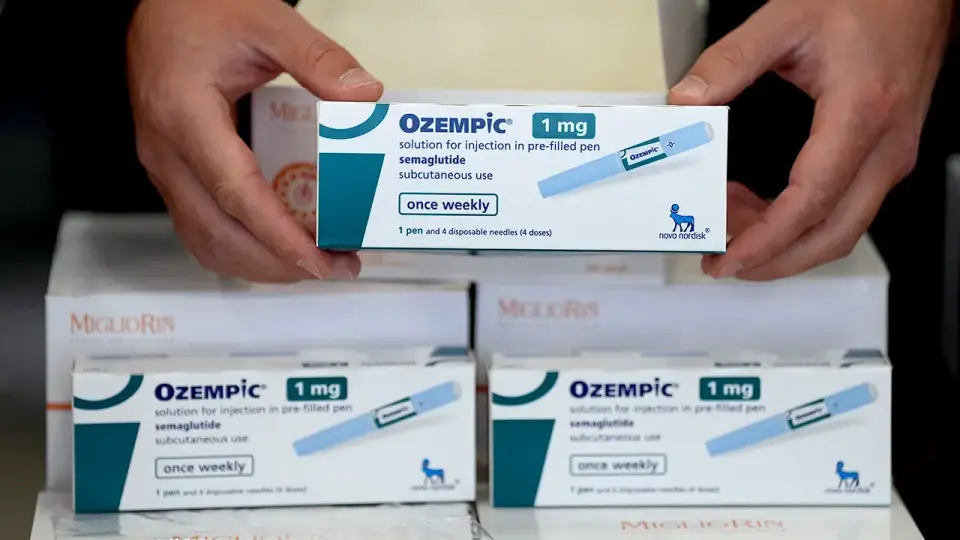
The U.S. Food and Drug Administration (FDA) has required manufacturers of all GLP-1 receptor agonist medications to add warnings about a rare eye condition that can cause permanent vision loss. The agency’s decision follows a review of clinical trials and real-world data, though manufacturers argue the evidence does not prove a direct causal link.
Key points
- The FDA ordered new labeling for all GLP-1 drugs, including Novo Nordisk’s Ozempic and Wegovy, and Eli Lilly’s Mounjaro and Zepbound, citing a potential increased risk of non-arteritic anterior ischemic optic neuropathy (NAION).
- NAION is a rare condition caused by reduced blood flow to the optic nerve, which can result in sudden, painless, and potentially permanent vision loss, with no known cure.
- The FDA’s review of 126 clinical trials involving 134,253 patients found approximately 6.4 cases of NAION per 100,000 patient-years among GLP-1 users, compared to 3.8 cases in placebo or other medication groups.
- Novo Nordisk and Eli Lilly stated that the data does not establish a cause-and-effect relationship and that the drugs’ benefits for weight and diabetes management outweigh the risks.
- The FDA noted that risk factors for NAION, such as diabetes, high blood pressure, and sleep apnea, are common among GLP-1 patients, making it difficult to isolate the drug as the sole cause.
Background
This regulatory action follows earlier scientific scrutiny, including a 2024 study in JAMA Ophthalmology that found semaglutide users were four times as likely to develop NAION. In October 2026, a Rutgers University study quantified the risk at three to four additional cases per 10,000 patients over 18 months, coinciding with a wave of lawsuits alleging manufacturers failed to warn patients. The FDA’s current mandate formalizes these concerns into mandatory labeling for the entire drug class.
How outlets are covering it
While the FDA emphasizes the need for patient awareness due to the potential for permanent impairment, Novo Nordisk and Eli Lilly maintain that the benefit-risk profile remains favorable. Citi analysts suggest the warning may cause temporary concern but is unlikely to significantly impact drug uptake, given the rarity of the condition. Conversely, legal actions and some observational studies highlight a growing tension between regulatory caution and the pharmaceutical industry’s confidence in the safety of these medications.
Why it matters
The decision affects millions of patients using GLP-1 drugs for obesity and diabetes. While the absolute risk of NAION is low, the potential for irreversible vision loss necessitates updated patient education and monitoring. The mandate also sets a precedent for how the FDA handles rare side effects in high-demand medications, balancing public safety with the continued availability of effective treatments.
What to watch
Manufacturers must update their product labels to include the new warnings in the 'warnings and precautions' section. Patients are advised to monitor for symptoms such as blurred vision or color distortion and to report any changes to their healthcare providers. The FDA will continue to monitor post-marketing data to determine if a causal link exists.
- FDA orders new warning labels on Ozempic, Wegovy over rare risk of permanent vision loss Fox Business
- FDA warns of vision loss risk linked to popular GLP-1 drugs like Wegovy, Zepbound CNBC
- US FDA orders new eye risk warnings for Ozempic, Zepbound CNN
- FDA orders new warning on GLP-1s over rare eye condition linked to sudden blindness NBC News
- GLP-1 drugs face new FDA warning over rare vision loss risk Yahoo
Want the full story? Read the original reporting
Read on Fox Business