
Moderna and Merck report Phase 3 success for personalized melanoma vaccine
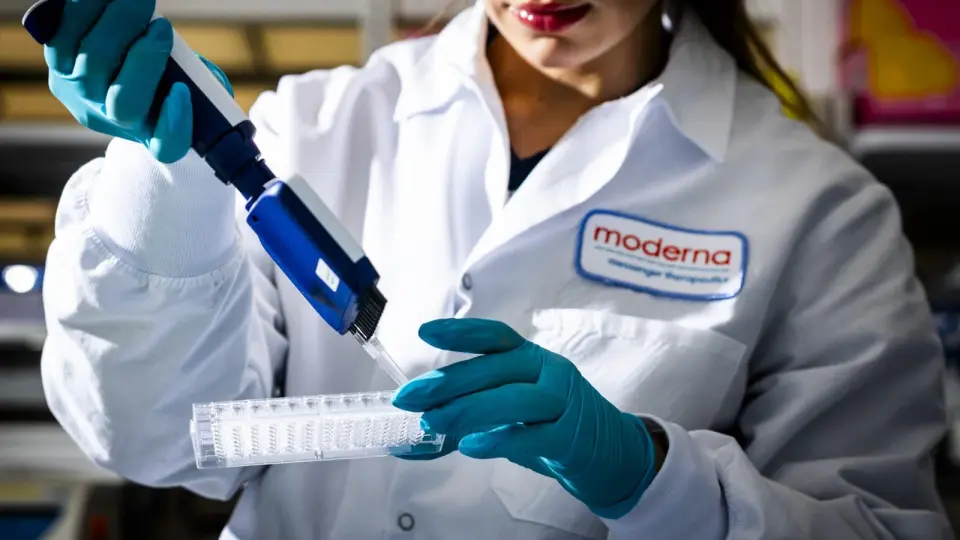
Merck and Moderna announced that their personalized mRNA cancer vaccine, intismeran autogene, met primary endpoints in a Phase 3 trial for melanoma. The treatment, combined with Merck’s Keytruda, significantly reduced cancer recurrence and metastasis in over 1,100 patients. The results validate a decades-long personalized approach to oncology and triggered a massive surge in Moderna’s stock, though full data and regulatory timelines remain pending.
Key points
- The Phase 3 trial enrolled 1,137 patients with high-risk or advanced melanoma that had been surgically removed.
- The combination of intismeran and Keytruda met the primary goal of extending recurrence-free survival compared to Keytruda alone.
- The regimen also reduced the risk of the cancer spreading to distant parts of the body (metastasis).
- Moderna’s stock surged approximately 90% to 160% in premarket trading, while Merck’s shares rose over 8%.
- The companies plan to discuss the treatment with regulatory agencies in the coming months but have not set a specific filing date.
Background
This development follows earlier Phase 2 trials in 2026 that showed a 49% reduction in recurrence or death after five years. It also comes after the FDA approved Moderna’s mRNA flu vaccine in August 2026, marking the first non-COVID mRNA approval. The current trial represents the first randomized Phase 3 success for a neoantigen cancer vaccine, validating a personalized treatment strategy developed by Merck and Moderna since the mid-2010s.
How outlets are covering it
CNBC and CNN emphasized the financial impact, noting Moderna’s stock jumped roughly 90% to 160% due to its smaller market cap compared to Merck. The Washington Post highlighted the historical significance, calling it a 'landmark moment' for mRNA technology and noting that the technology’s origins in cancer research predated the pandemic. STAT focused on the scientific milestone, describing it as the first definitive proof of benefit for a neoantigen vaccine in a randomized Phase 3 setting. All outlets agreed that the results validate a personalized approach, where vaccines are tailored to a patient's specific tumor mutations, but noted that full data and long-term survival benefits are still pending.
Why it matters
The success of intismeran could establish a new standard of care for melanoma and potentially other solid tumors, such as lung, bladder, and kidney cancers, which are currently in trials. It demonstrates the viability of personalized mRNA therapeutics beyond infectious diseases, potentially reversing recent setbacks in government funding for mRNA research. For patients, it offers a new option to prevent recurrence after surgery, addressing a major concern in melanoma treatment where most recurrences occur within two to three years.
What to watch
Merck and Moderna will present detailed data at an upcoming international medical meeting. The companies expect to begin discussions with regulatory agencies, including the FDA, in the next few months. The Phase 3 trial will continue to assess overall survival benefits. Analysts, including those from Leerink Partners and Barclays, are watching these results as a critical catalyst for Moderna’s valuation and potential revenue, with some projecting $3 billion in melanoma treatment revenue by 2035.
- Moderna, Merck cancer vaccine shows promise in late-stage trial; Moderna stock soars 90% cnbc.com
- Moderna shares surge as melanoma vaccine with Merck succeeds in large trial CNN
- Moderna and Merck say mRNA cancer vaccine succeeded in late-stage melanoma trial STAT
- Moderna’s stock doubles on promising cancer-vaccine results marketwatch.com
- Cancer treatment could face landmark moment with promising vaccine The Washington Post
Want the full story? Read the original reporting
Read on cnbc.com