
U.S. Blood Supply Hits Historic Crisis Levels as Donations Plunge
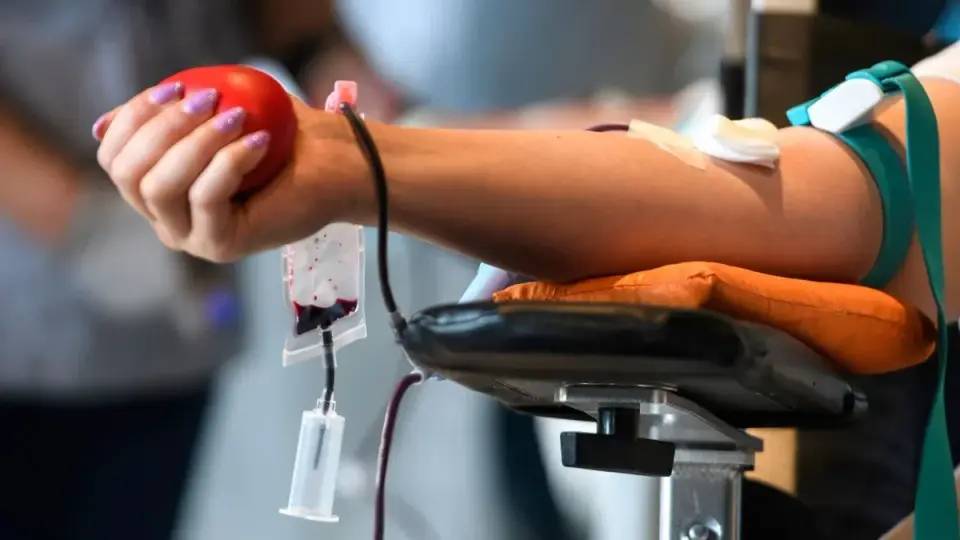
The American Red Cross has declared a second-ever national blood crisis, with O-positive inventory dropping below one day’s supply. Donations have hit a four-year low due to summer travel and heat, forcing hospitals to triage care. Local centers across the U.S. report critical shortages of multiple blood types, urging immediate donor action.
Key points
- The American Red Cross declared a national blood crisis on July 13, 2026, following a 25% drop in supply the previous month.
- O-positive blood, the most commonly transfused type, has fallen below one day’s national inventory, prompting the Red Cross to limit distributions to hospitals.
- Donations have reached a four-year summer low, attributed to extreme heat, poor air quality, foodborne illnesses, and travel patterns.
- Hospitals are now triaging care, potentially delaying surgeries and cancer treatments due to insufficient blood products.
- Local organizations like Blood Assurance in Cookeville and Community Blood Center in Appleton report less than two days of supply for several critical blood types.
Background
This is the second time in history the American Red Cross has declared a national blood crisis, the first occurring in January 2022 during the Omicron surge. While the Red Cross accounts for 40% of the U.S. blood supply, the remaining 60% is managed by other organizations, all of which are currently facing similar shortages. Summer months traditionally see lower donation rates due to vacations and school breaks, but the current deficit is significantly more severe than typical seasonal dips.
How outlets are covering it
Gizmodo emphasizes the national scale of the crisis, highlighting the Red Cross’s official declaration and the specific danger to O-positive supplies. WPTA focuses on the human impact, noting that hospitals may have to push off care for surgeries and cancer treatments, and highlights local community efforts like blood drives with first responders. The UC Now and WBAY reports provide granular local data, showing that specific centers in Tennessee and Wisconsin are operating with only a few days of inventory for multiple blood types, including O-negative and A-negative. While Gizmodo cites environmental factors like heat and air quality, local outlets like The UC Now also point to dehydration and scheduling conflicts for parents with children out of school as key drivers of the decline. All sources agree that the situation is critical and requires immediate donor action, but they differ in emphasis: national policy versus local operational strain.
Why it matters
The shortage threatens the stability of the entire U.S. healthcare system, as blood products have a short shelf life and cannot be stockpiled. Hospitals are forced to make difficult triage decisions, potentially delaying life-saving procedures. The crisis highlights the fragility of the blood supply chain, which relies on a small percentage of eligible donors to meet constant demand. Without a significant increase in donations, the situation could worsen, leading to broader impacts on patient care and public health.
What to watch
The Red Cross and other blood organizations are urging eligible Americans, especially those with O-positive blood, to schedule donations immediately. Local centers are extending hours and offering incentives like gift cards to boost turnout. Hospitals are expected to continue triaging care until supply levels recover. The situation is likely to remain critical through the summer months as demand for transfusions remains high due to traumatic injuries and ongoing medical treatments.
- There’s a National Blood Supply Crisis Happening Right Now Gizmodo
- ‘We cannot manufacture blood’: American Red Cross declares national blood crisis for second time in its history ABC4 Utah
- Adams County blood drive hopes to help with emergency blood shortage WPTA | 21Alive | Fort Wayne, IN
- Blood Assurance Reports Critical Shortage in Cookeville The UC Now
- Blood supply declared at crisis levels at Community Blood Center; multiple types at less than two-day supply WBAY
Want the full story? Read the original reporting
Read on Gizmodo