Twenty-four agencies assisted in a Linville Gorge hiker rescue over the weekend, with helicopter involvement noted; a volunteer is remembered for a heroic run to donate blood during the operation.
The Red Cross has declared its second-ever blood crisis due to a summer shortage, with New Hampshire reporting 47% of upcoming donation appointments unfilled. Demand outpaces supply, especially for Type O blood. Blood has a shelf life of about 35 days, and ambulances do not carry it. Eligible donors are urged to schedule at RedCrossBlood.org, with numerous NH donation events listed statewide.
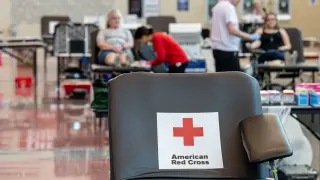
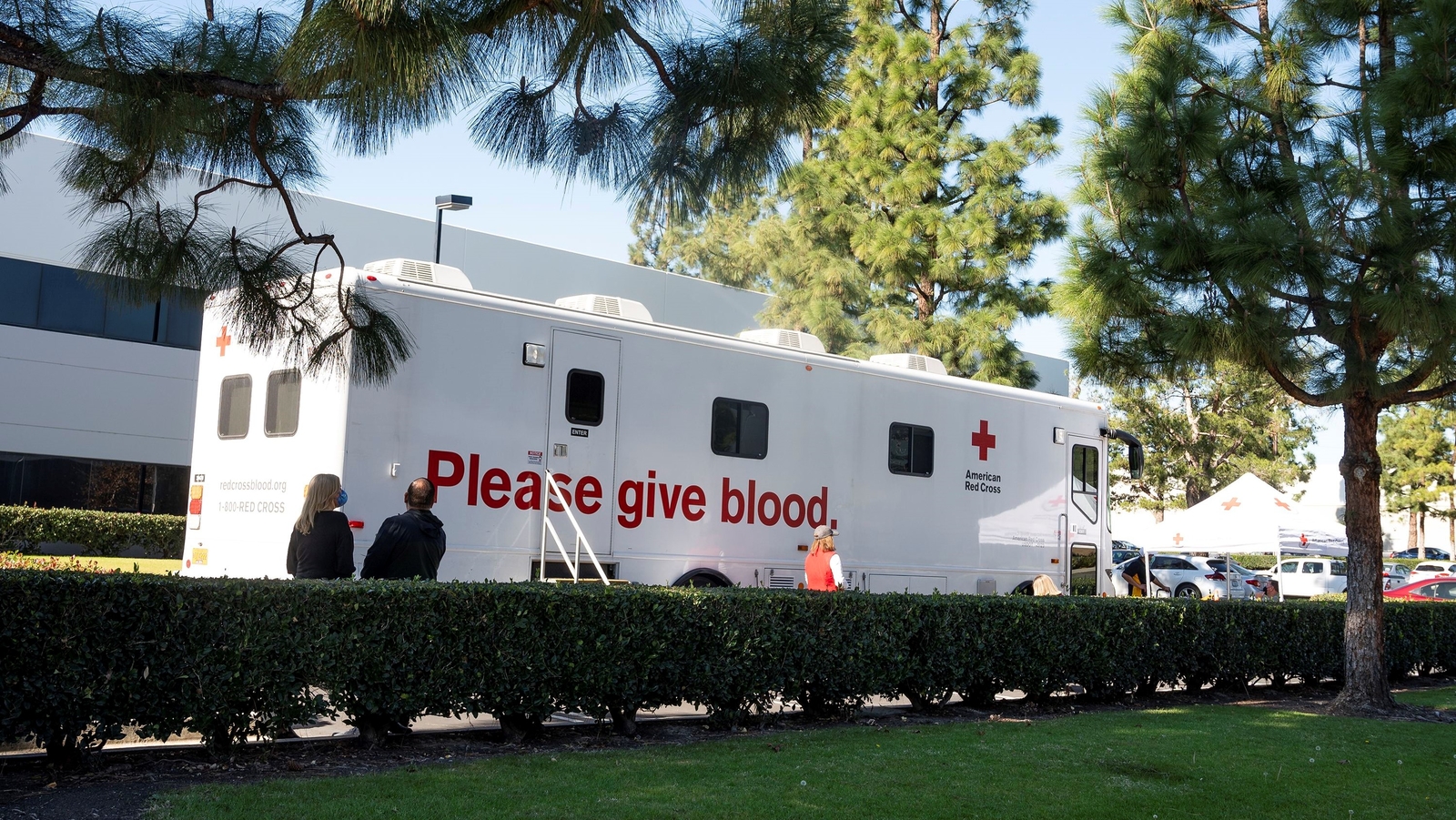
The American Red Cross has declared the second national blood supply crisis in its history after donations plummeted to a four-year summer low, leaving less than a one-day national supply of Type O blood and risking surgeries and maternity care; donors are urged to give immediately, with July movie-ticket vouchers and August $20 Amazon gift cards as incentives, while hospitals pre-schedule needs to stabilize distribution.
The American Red Cross, the largest US blood supplier providing about 40% of the nation’s supply, says the country is in a blood crisis for the second time in its 150-year history. Extreme heat, wildfires, and summer demand have outpaced donations, forcing hospitals to draw roughly 3,500 more units than usual. Blood must be used within a 42-day shelf life, so stockpiling isn’t possible, and the shortage could affect routine care or lead to diverting patients to other centers, with type O positive especially needed. Canada is also seeing declines in donations.
The American Red Cross declared a national blood supply crisis—the second in its history—as donations fell to a four-year summer low. While summer typically brings shortages due to vacations and higher injury risk, extreme heat, poor air quality and the spread of foodborne illnesses further reduced donor turnout, leaving less than a one-day supply of O-positive blood and prompting limited distributions to hospitals; the organization urged eligible donors to book appointments.
The American Red Cross and health officials warn that the U.S. blood supply is at crisis levels, with less than a one-day stock of type O positive blood and restricted distribution to hospitals as summer demand rises; donations have fallen to a four-year low due to heat, poor air quality, and illnesses, prompting urgent calls for eligible people to donate.
The American Red Cross has declared a national blood crisis for the second time in its history, with dangerously low inventories of blood and platelets—especially type O-positive—forcing limited distributions and prompting an urgent appeal for all eligible Americans to donate as soon as possible amid summer demand and turnout challenges.
Rowan, a 4-year-old in Adams, Tennessee, who is fighting brain cancer, will turn 5 this weekend during a community celebration called Rally with Rowan (Sat, 10 a.m.–5 p.m., Omer Gene Brooksher Pavilion). The event features live music, a silent auction, bounce houses, and a visit from the Easter Bunny, plus a blood drive in Rowan's name. She has required more than 80 blood and platelet transfusions in eight months, underscoring the life-saving role of donations coordinated by Blood Assurance for Vanderbilt’s Children’s Hospital. Attendees can also send birthday cards to Rowan.
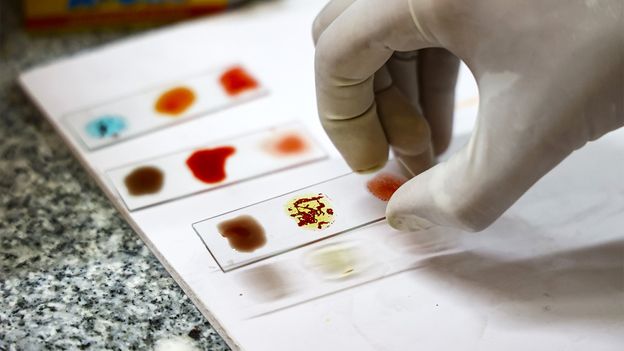
Rh null blood, the rarest blood type, lacks all Rh antigens and is highly valuable for transfusions due to its universal compatibility, but creating lab-grown Rh null blood remains a complex challenge involving advanced stem cell technology and gene editing.
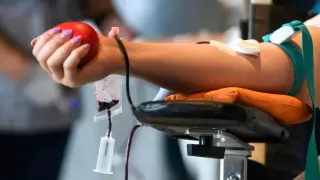
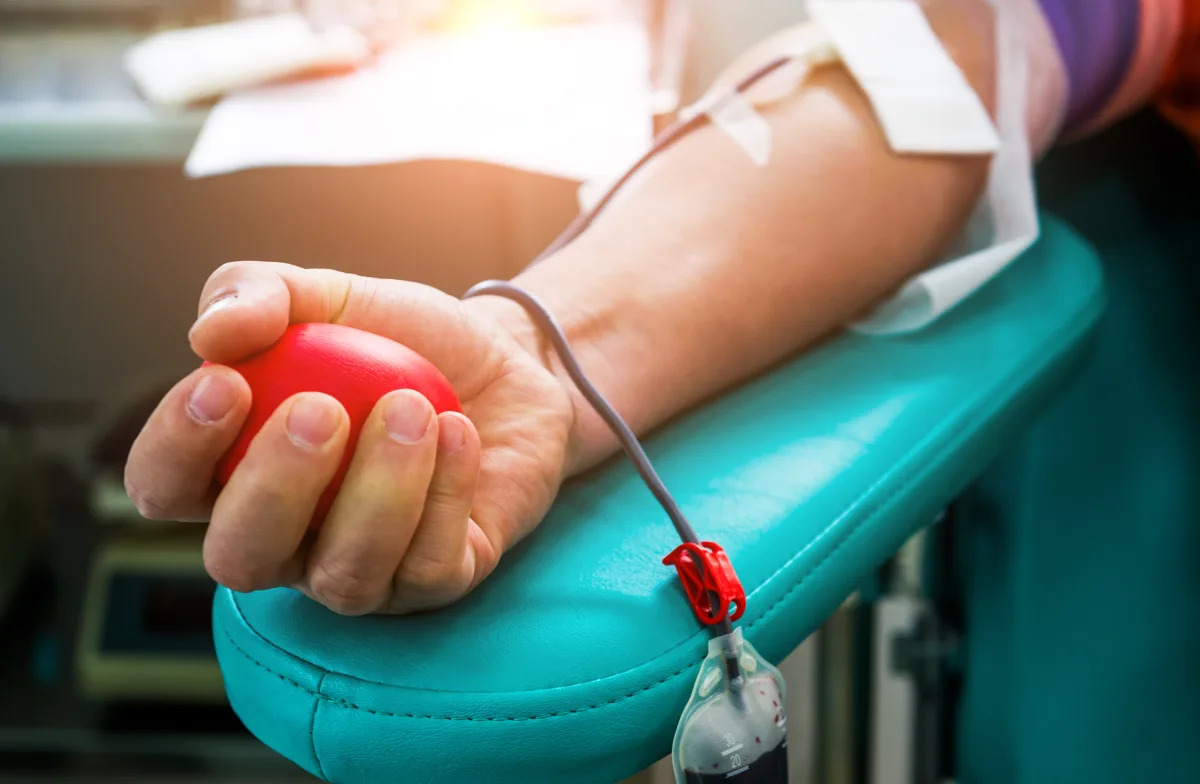
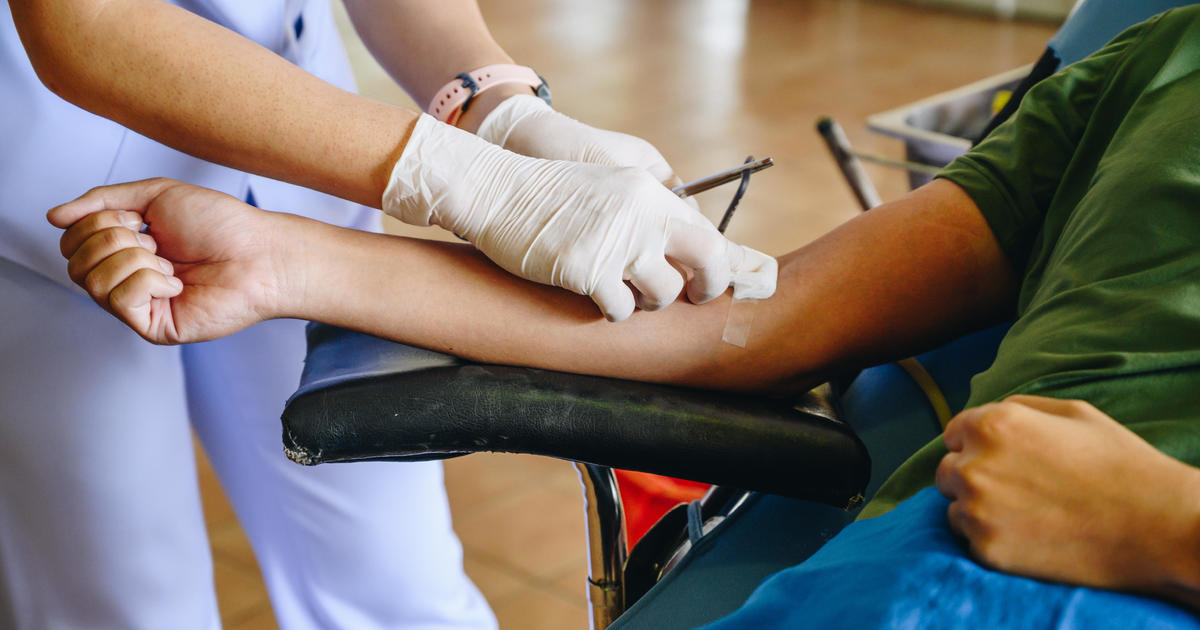
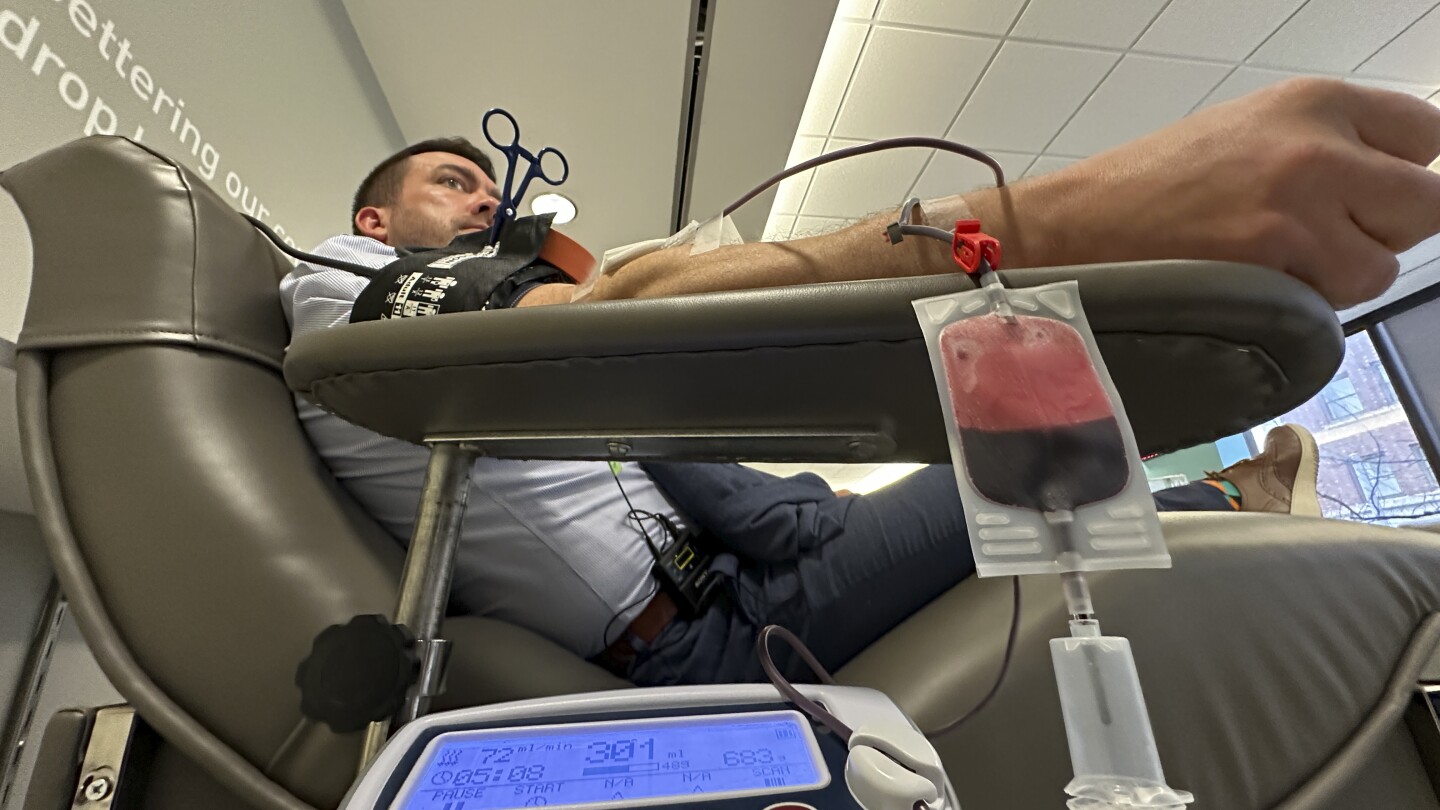
Donating blood can save thousands of lives each year and is currently urgently needed due to a blood shortage emergency in the U.S. It not only helps recipients but also provides health benefits to the donor, including screening for vital signs, lowering blood pressure, improving heart attack risk, helping hereditary conditions, and boosting mental health. Tips for donating blood include staying hydrated, getting enough sleep, and eating a meal before the appointment.
The American Red Cross has declared an emergency blood shortage, with the number of blood donors hitting a 20-year low, posing a significant risk to patients in need of transfusions. Factors such as severe winter weather, seasonal illnesses, and changes in donor base motivation have contributed to the shortage. The organization is urging people, especially those with type O blood and platelets, to donate now, as the availability of blood can be a matter of life and death. This announcement coincides with the start of National Blood Donor Month, and individuals who donate this January have the chance to win a trip for two to the Super Bowl.
The American Red Cross has declared an emergency blood shortage in the United States, with the number of donors hitting a 20-year low. Severe winter weather and seasonal illnesses have led to cancellations of donations, causing a critical shortfall in blood supply for hospitals and patients in need. The organization is urging healthcare professionals and the public to donate blood, particularly platelets and red blood cells, to help replenish the supply. The shortage has prompted the Red Cross to limit distributions of type O blood products to hospitals, and they are calling for increased donations to address the emergency.
The American Red Cross has declared a nationwide emergency blood shortage, with a 20-year low in donors and a loss of 300,000 donors since the COVID-19 pandemic. The shortage could lead to hospitals making difficult decisions about prioritizing patients for blood transfusions, potentially impacting surgeries and patient care. The organization is urging people to donate, particularly Type O blood and platelets needed for cancer and trauma patients, and individuals interested in donating can schedule an appointment at RedCrossBlood.org.
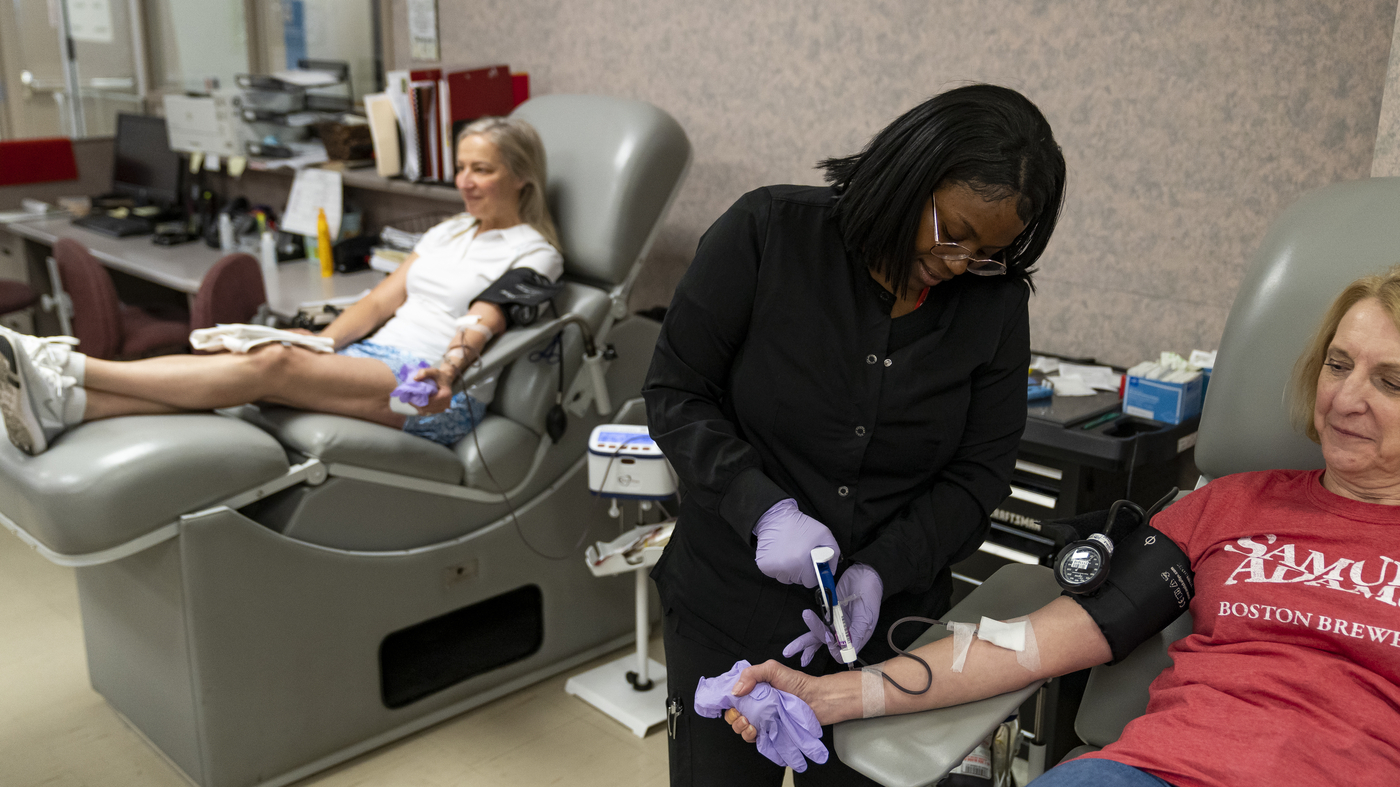
Under new federal guidelines finalized in May, gay and bisexual men in monogamous relationships can now donate blood at many blood centers without abstaining from sex. The guidelines, which put the emphasis on sexual activity rather than sexual orientation, aim to reverse restrictions that were seen as discriminatory. About half of the 16 independent blood bank organizations in the Alliance for Community Transfusion Services have implemented the new guidelines, with more expected to follow next year. The change has been welcomed by many in the LGBTQ+ community who can now contribute to the blood supply and support the mission of blood centers.
The American Red Cross generates over $3.2 billion in operating revenue, with contributions making up only a third of its revenue. The majority of its revenue, around $1.8 billion, comes from selling blood collected from donors to hospitals and medical facilities across the country. The organization does not charge for the blood itself but is reimbursed by hospitals for the costs associated with providing blood products. The American Red Cross spends over $2 billion on collecting blood, which is about $139 million more than the revenue it collects from selling the blood.