
Personalized mRNA Vaccine Cuts Melanoma Recurrence Risk by 42% in Phase 3 Trial
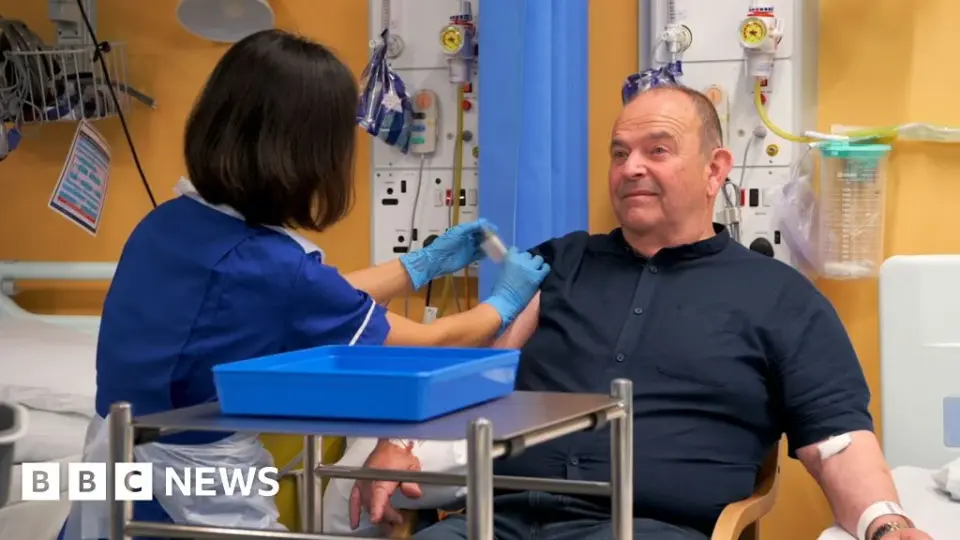
A new personalized mRNA cancer vaccine, intismeran, combined with the immunotherapy drug Keytruda, reduced the risk of melanoma recurrence or death by 42% in a major Phase 3 trial. While the results are promising, stock prices for manufacturers Moderna and Merck dropped due to results being slightly lower than earlier expectations, and experts caution that long-term survival data is still needed.
Key points
- The trial involved 1,137 adults with stage IIB-IV melanoma who had already undergone surgery.
- Patients received either the personalized vaccine plus Keytruda or a placebo plus Keytruda.
- After two years, 82% of the vaccine group remained alive without recurrence, compared to 70% in the control group.
- The vaccine uses mRNA technology to target up to 34 unique mutations in a patient's own tumor.
- Shares of Moderna and Merck fell after the release, as results were less strong than an earlier Phase 2 trial.
- The companies are now engaging with regulatory authorities, potentially filing for approval as early as next year.
Background
This development follows earlier Phase 2 trials that showed even higher efficacy rates, specifically a 49% reduction in recurrence risk. The current Phase 3 results, while positive, were slightly lower than those initial findings, leading to market volatility. Previous coverage highlighted concerns about the cost and scalability of personalized vaccines within the NHS, as each patient requires individual genetic analysis and vaccine production. The broader context includes the growing use of mRNA technology, previously seen in COVID-19 vaccines, now being applied to oncology.
How outlets are covering it
BBC Health emphasizes the potential for personalized medicine to become a standard, quoting Prof Pippa Corrie as calling the technology 'fabulous' but noting the need for proof of long-term survival benefits. Ars Technica focuses on the technical details of the mRNA-4157 vaccine and the market reaction, highlighting that the results were not as strong as the earlier Phase 2 trial, which led to a sell-off in stocks. Both outlets agree that the results are a significant advance, but BBC highlights the uncertainty for patients like Tony Chapman who do not know if they received the active drug, while Ars Technica notes the premature leak of data that caused the stock drop. Independent experts, such as Prof Alan Melcher, described the results as 'very impressive' but cautioned against assuming the approach will work for all cancers.
Why it matters
This trial marks a potential turning point in cancer treatment by demonstrating that personalized mRNA vaccines can significantly reduce the risk of cancer returning. If approved, this could change the standard of care for melanoma and potentially other cancers like kidney, bladder, and lung. However, the high cost of individualized treatment and the need for long-term data on overall survival remain significant hurdles for widespread adoption.
What to watch
The full trial results are scheduled to be presented at the European Society of Medical Oncology conference in Madrid. The data has been accepted for publication in the New England Journal of Medicine. Moderna and Merck are engaging with regulatory authorities, with the possibility of filing for approval as early as next year. The trial will continue to monitor patients for long-term effects on overall survival.
- First personalised cancer vaccine cuts risk of disease returning in major trial BBC
- Melanoma Vaccine Ushers in New Hope for Cancer Patients The New York Times
- Moderna’s Stock Plummets After Cancer-Vaccine Data Shared on Social Media WSJ
- A novel mRNA cancer vaccine helps reduce the chances of melanoma patients' tumors returning Yahoo
- Moderna and Merck say their mRNA cancer vaccine cut death, recurrence by 42% Ars Technica
Want the full story? Read the original reporting
Read on BBC