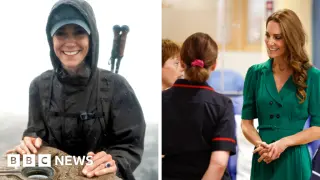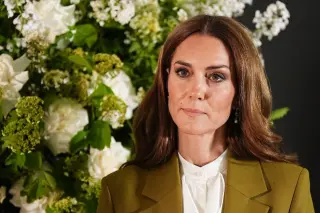
Catherine, Princess of Wales, embarks on her first solo international trip since completing cancer treatment, visiting Italy for a series of engagements as she resumes her royal duties.
A study evaluating multiple AI chatbots (Gemini, DeepSeek, Meta AI, ChatGPT, Grok) found roughly half produced problematic medical responses when asked about cancer and related health topics, with some suggesting alternative therapies or clinics. Experts warn these flawed replies can mislead patients and stress the need for safer, more reliable AI medical guidance.
Professor Ann Barrett, a pioneer in multidisciplinary cancer treatment, helped merge Glasgow’s radiotherapy and medical oncology into the Beatson Oncology Centre in 1987, led Glasgow’s Radiation Oncology chair for 15 years, and later chaired Clinical Oncology at the University of East Anglia; she also held leadership roles with the Royal College of Radiologists and ESTRO, translated important French oncology texts, and authored influential textbooks. She died aged 83 in March 2026.
A 39-year-old mother diagnosed with stage 4 colorectal cancer with liver metastases underwent chemotherapy and immunotherapy, had a colon tumor removed, and became the first person at Northwestern Medicine to receive a living-donor liver transplant for metastatic colorectal cancer; she is now disease-free and recovering, highlighting that, in carefully selected cases, liver transplantation can offer long-term survival for colorectal liver metastases, though the procedure remains rare in the U.S.
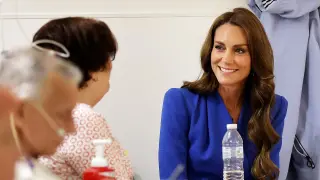
During a surprise Bermondsey outing, the Princess of Wales said she has cut back on alcohol since her cancer diagnosis and chemotherapy in 2024, declining beer and cider in favor of a soft drink, and noting she must be more conscious of her drinking now while continuing her public engagements.
Bruce Campbell revealed he has a treatable but not curable cancer, forcing him to cancel upcoming fan conventions while starting treatment. He hopes to recover enough by summer to tour his comedy film Ernie & Emma and emphasizes he plans to be around for fans with strong support from his team and loved ones.
Emma Operacz, a 21-year-old Eastern Michigan University student, went from thinking she had a UTI to a life-threatening stage IV ALK+ anaplastic large cell lymphoma; after a difficult treatment course that included an experimental drug to cross the blood–brain barrier and a sister-donor bone marrow transplant, she spent months recovering before graduating in December 2025 and beginning a graduate program to work with cancer patients.
Former Rangers star Ron Duguay, diagnosed with Stage 4 cancer originating in his colon, is supported by girlfriend Sarah Palin, who was seen feeding him in a hospital scene; his daughters started a GoFundMe to cover travel, treatments, and care as he weighs Western and holistic options, including international treatment.
Best-selling author Colleen Hoover revealed she’s undergoing cancer treatment after saying her surgery was successful and radiotherapy is nearing completion, sharing updates on Instagram while continuing to promote her new novel Woman Down.
The Princess of Wales visited Charing Cross Hospital with Prince William, highlighting the importance of kindness and compassion in cancer care, sharing her own experience of remission, and supporting NHS staff during a challenging winter season.
Research suggests that COVID-19 mRNA vaccines may enhance the immune response in cancer patients, leading to longer survival when combined with immunotherapy, especially in lung and skin cancers. The findings, based on patient data and mouse studies, indicate a potential for developing universal cancer vaccines, though further clinical trials are needed.
Chinese researchers have developed a new scalable and cost-effective method to produce engineered natural killer cells from cord blood stem cells, enhancing cancer immunotherapy potential by improving efficiency and reducing costs, with successful tumor-killing activity demonstrated in preclinical models.
A new KRAS inhibitor drug, daraxonrasib, shows promising results in clinical trials for pancreatic cancer, offering hope for improved survival and quality of life for patients with this deadly disease, with the potential for faster approval due to government designations.
Despite political challenges, 2025 saw significant medical advances including a groundbreaking gene edit for a baby, approval of 44 new drugs, progress in cancer treatments, improved vaccines, and innovative biotech research, highlighting biology's pivotal role in this century of medicine.
Johnson & Johnson has completed its $3.05 billion acquisition of Halda Therapeutics, a biotech company with a novel RIPTAC platform for developing targeted oral therapies for solid tumors, including prostate cancer, aiming to revolutionize cancer treatment and expand its oncology portfolio.