
Personalized mRNA Vaccine Shows 42% Drop in Melanoma Recurrence in Phase 3 Trial
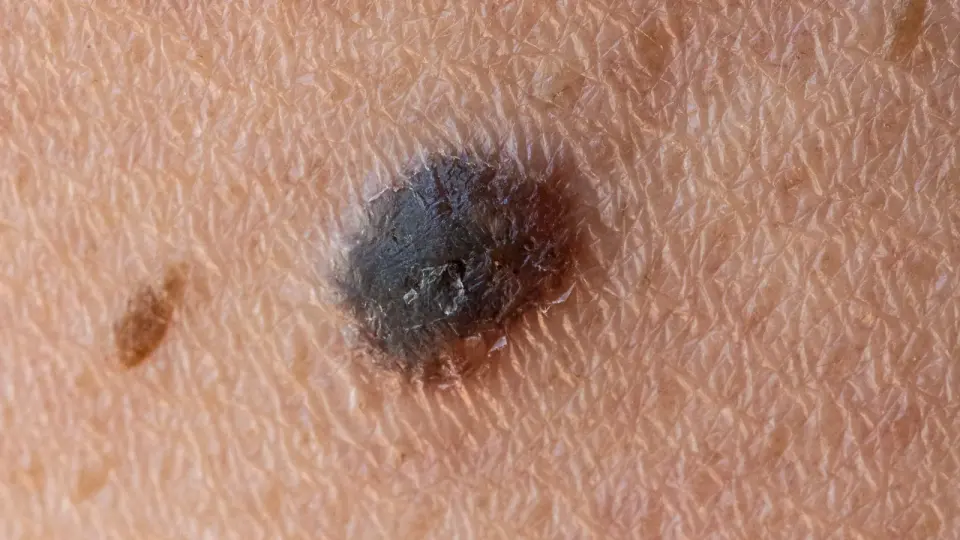
A personalized mRNA cancer vaccine developed by Moderna and Merck has shown significant success in a Phase 3 trial, reducing the risk of melanoma recurrence or death by 42% when combined with standard immunotherapy. While the results are hailed as a major breakthrough by oncologists, market reactions were mixed due to lower-than-expected margins compared to earlier trials, and questions remain regarding scalability and long-term efficacy.
Key points
- The vaccine, known as intismeran, was tested in a Phase 3 trial involving 1,137 Stage 3 melanoma patients across 157 sites globally.
- Results showed a 42% reduction in recurrence or death risk compared to the standard immunotherapy drug Keytruda alone, with a 58% reduction for patients who remained cancer-free six months after treatment.
- The treatment is personalized by sequencing the patient's tumor to identify neoantigens, creating a custom 'wanted poster' for the immune system.
- Despite positive clinical outcomes, Moderna's stock price dropped following a data leak, as investors felt the improvement over existing treatments was modest.
- The vaccine is not yet approved for use in the US or Australia, and regulatory review processes are expected to take several years.
Background
This development follows a 2024 Phase 2 trial that showed promising results for the same vaccine. It also comes after recent failures in mRNA vaccine trials for colorectal and head and neck cancers, making this success in melanoma particularly significant for the field of cancer immunotherapy.
How outlets are covering it
While ScienceAlert and NBC News emphasize the clinical breakthrough and the potential for personalized medicine, STAT and NBC News highlight the market skepticism and logistical challenges. Dr. Shirin Bajaj from Mount Sinai noted that while the results are positive, the difference in efficacy compared to Keytruda alone is modest, raising questions about whether this will become a 'blockbuster' drug. Additionally, concerns were raised about the scalability of the treatment, as 17% of screened patients had tumors too small to create a vaccine. In contrast, Dr. Robert Vonderheide praised the results as a 'game changer' that proves cancer vaccines can work when deployed in the right clinical setting, specifically for preventing recurrence rather than treating advanced disease.
Why it matters
This trial represents a foundational shift in cancer treatment, demonstrating that personalized mRNA technology can effectively harness the immune system to prevent cancer recurrence. If successful, this approach could be adapted for other types of cancer, potentially saving numerous lives, especially in countries like Australia where melanoma rates are high. However, the commercial and logistical hurdles must be overcome before this treatment becomes widely available.
What to watch
The full data from the trial is set to be published in the New England Journal of Medicine. The vaccine is currently entering regulatory review processes in various countries, which could take several years. Researchers are also planning to test the vaccine in patients with advanced melanoma that has spread to distant organs, as well as in other cancers such as bladder, kidney, and lung cancer.
- World-First Cancer Vaccine Cuts Melanoma Recurrence or Death Risk by 42% in Landmark Trial ScienceAlert
- First-of-Its-Kind Vaccine Ushers in New Hope for Cancer Patients The New York Times
- Personalized mRNA vaccine for melanoma cut risk of cancer’s return in late-stage trial NBC News
- The ESMO presentation everyone’s been waiting for STAT
- Moderna Investors Should Brace for More Whiplash WSJ
Want the full story? Read the original reporting
Read on ScienceAlert