
Medical AI Shifts Focus from Algorithm Accuracy to Real-World Patient Outcomes
A new perspective in medical AI emphasizes evaluating systems by their impact on patient outcomes rather than just algorithmic accuracy. While randomized trials in diagnostics like breast cancer screening validate this shift, practical applications in post-acute care focus on improving visibility and decision-making to prevent readmissions. Industry leaders argue that AI’s value lies in augmenting human judgment with timely context, not replacing clinicians.
Key points
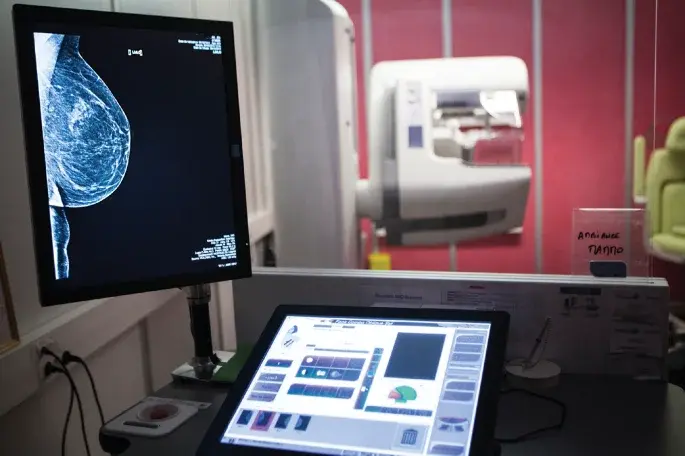
- Kristina Lång, in a Nature Medicine comment, argues the next generation of medical AI must be judged on improving patient outcomes, not just matching clinician performance.
- Lång references early randomized trials in breast cancer screening, highlighting the need for carefully designed human-AI systems.
- PointClickCare research indicates only 5% of health plans have comprehensive visibility into post-acute care data, creating gaps in care coordination.
- AI is being used to synthesize discharge planning details, helping care managers identify missing follow-ups and equipment needs before patients leave skilled nursing facilities.
- Industry leaders emphasize that AI should enhance human judgment by providing timely clinical context, rather than replacing medical decision-making.
Background
Recent trials in other medical areas, such as sleep apnea and hypertension, have shown that targeted interventions can yield measurable clinical improvements. However, the integration of AI in these fields remains focused on diagnostic accuracy or specific drug efficacy, rather than the broader system-level outcome focus now being advocated for in medical AI.
How outlets are covering it
Nature Medicine, through Kristina Lång, emphasizes the necessity of shifting AI evaluation metrics from algorithmic precision to tangible patient outcomes, citing randomized trials in breast cancer screening. In contrast, Modern Healthcare, via PointClickCare, focuses on the operational utility of AI in post-acute care, highlighting how it can surface critical discharge details to prevent readmissions. The Tribune, covering PGIMER’s foundation day, features a broader statement from Prof. Ajit Kumar Chaturvedi that AI will augment doctors’ capabilities, aligning with the human-AI collaboration theme but lacking the specific outcome-focused trial data highlighted by Nature.
Why it matters
This shift in focus is critical for healthcare systems aiming to reduce preventable readmissions and improve care coordination. By prioritizing outcome-based metrics and enhancing human decision-making with AI, healthcare providers can address the 95% of health plans that currently lack comprehensive post-acute visibility, leading to more efficient and effective patient care.
What to watch
Expect more randomized trials evaluating AI systems based on patient outcomes rather than algorithmic accuracy. Additionally, healthcare organizations may increasingly adopt AI tools that improve post-acute care visibility and support human judgment in care transitions, potentially reducing readmission rates and improving overall care coordination.
- From algorithms to patient outcomes — lessons from one of the first randomized trials of AI in medicine Nature
- AI Could Revolutionize Medicine, But Humans Must Be in Charge: Researcher Shreya Johri Democracy Now!
- The most valuable AI in healthcare may not look like AI at all Modern Healthcare
- PGIMER marks 63rd Foundation Day with AI-driven healthcare in focus tribuneindia.com
Want the full story? Read the original reporting
Read on Nature