
healthcare-technology3 min read
Epic Systems Faces Scrutiny for Using Data Control to Stifle Health Tech Innovation
1 month ago•Source: STAT
View original source
The latest healthcare technology stories, each synthesized from multiple sources with added background and context.

A new JAMA study shows that OpenEvidence, an AI clinical reference tool, has seen explosive growth, with monthly active users rising from 355 in January 2024 to over 703,000 by June 2026. Nurse practitioners and physician assistants are the most intensive users, averaging 44.5 queries per month compared to 37.1 for physicians. While the tool is free for clinicians, it generates revenue through targeted pharmaceutical advertising, raising questions about the intersection of clinical decision support and commercial interests.


Epic Systems, the dominant US electronic health record (EHR) vendor, is facing a Federal Trade Commission (FTC) antitrust investigation into its data-sharing and non-compete practices. This scrutiny coincides with the company’s annual Users Group Meeting, where founder Judy Faulkner is expected to unveil new strategies amid reports of key technology leaders leaving the firm. Epic holds 43.7% of the acute-care EHR market and serves over 3,700 hospitals, prompting concerns about market dominance and data interoperability.

Epic has released a new diagnostic image exchange feature within its Care Everywhere platform, allowing connected health systems to share CT, MRI, and X-ray files instantly. This move aims to eliminate the need for patients to transport physical CDs between appointments and reduces duplicate scans by leveraging open standards.

A new analysis by the Tufts Center for the Study of Drug Development (CSDD) indicates that AI clinical monitoring agents can generate up to 82 times the return on investment (ROI) in oncology trials. The study, which evaluated Medable’s digital trial platform, found that these agents automate administrative tasks like risk scoring and site communications, leading to significant cost savings and faster development timelines. According to the report, an AI agent could yield net financial gains of $21 million per phase 3 drug development program. The analysis suggests that deploying such tools across a large portfolio of oncology indications could generate hundreds of millions in incremental value, potentially accelerating the path to commercialization.

Commure, a Mountain View-based healthcare AI startup valued at $7 billion, is facing scrutiny over its aggressive sales strategies. The company, which aims to automate administrative tasks for clinics, offers financial incentives to existing customers for referring new business. While it claims success with over 500 healthcare organizations, some users report financial losses, raising questions about the efficacy and ethics of its rapid expansion model.
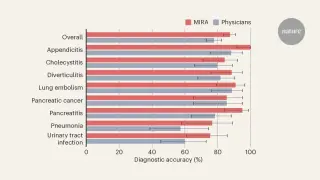
Medical AI systems are achieving high scores on standardized exams but failing in real-world clinical tasks, exposing a critical gap in evaluation methods. While FDA guidance remains incomplete, new frameworks and multi-agent architectures aim to address these validation deficiencies.

The FDA announced plans to ease regulation of digital health products, including AI-enabled clinical decision support software, to promote innovation and faster market entry, signaling a shift towards more Silicon Valley-style regulation in healthcare technology.
Generative AI is increasingly being integrated into healthcare by Big Tech firms and startups, with applications ranging from personalized patient intake experiences to medical database analysis and automated message triaging. While generative AI startups in healthcare have attracted significant investments, concerns persist regarding the technology's readiness for widespread use, its limitations in handling complex medical queries, and potential perpetuation of stereotypes. While some experts believe generative AI shows promise in specific areas such as medical imaging, others emphasize the need for rigorous science, patient-facing tools with clinician oversight, and comprehensive guidelines to address privacy, security, regulatory, and ethical considerations before widespread implementation in healthcare.

Artificial intelligence algorithms are revolutionizing eye exams for diabetic retinopathy, offering quick diagnoses without the need for a doctor's presence. This technology has shown significant benefits for both patients and providers, providing immediate results, cost savings, and convenience. Despite some concerns about potential downsides, such as missing other diseases and over-referring patients, the AI system has proven to increase follow-up rates after positive results. With FDA-approved AI eye exams being adopted by hundreds of practices nationwide, the technology is expanding to include additional cameras and other eye diseases, positioning ophthalmology as a field where AI innovation is rapidly advancing.

A study of physicians in the UK's National Health Service revealed their resistance to using algorithm-based tools, including AI applications, citing four reasons for their reluctance. The research, based on interviews with 32 physicians, suggests ways to overcome their resistance and highlights the potential benefits of algorithm-based technologies in healthcare.

At the HIMSS conference, companies like Microsoft's Nuance Communications, Abridge, and Suki showcased ambient clinical documentation technology that uses AI to transform doctor-patient conversations into clinical notes, aiming to reduce administrative workloads and prioritize meaningful patient connections. This technology, integrated into electronic health records, has been rapidly adopted by health organizations, with Stanford Health Care deploying Microsoft's DAX Copilot across its entire enterprise. The market for ambient clinical documentation is booming, with companies like Abridge and Suki raising significant funding and experiencing rapid growth, while addressing physician burnout and aiming to revolutionize healthcare technology in the next decade.