Tag

Ai In Medicine

All articles tagged with #ai in medicine

American Doctors Turn to OpenEvidence AI as Free Clinical Companion
technology16 days ago

American Doctors Turn to OpenEvidence AI as Free Clinical Companion

NBC News reports that OpenEvidence, a free AI-powered medical search tool, is now used by about 65% of U.S. doctors and roughly 1.2 million clinicians worldwide, handling tens of millions of queries to aid clinical decisions, exam prep, and note-taking. It aims to supplement clinicians’ judgment with rapid, licensed evidence from top journals and organizations. While widely praised for speed and access to high-quality sources, experts warn of potential hallucinations, gaps in patient-outcome research, privacy concerns, and the risk of overreliance among trainees. Hospitals vary in privacy practices and some are integrating it with electronic health records, as competition with UpToDate and other AI tools grows; OpenEvidence is ad-supported, free for users, and undergoing ongoing studies to assess its impact on care.

AI Aims to Spot Pancreatic Cancer Years Before Diagnosis
technology23 days ago

AI Aims to Spot Pancreatic Cancer Years Before Diagnosis

Researchers describe a trio of advances against pancreatic cancer: a drug targeting a key cancer-driving gene, a personalized mRNA vaccine, and an AI imaging tool that can flag cancer years earlier than typical diagnoses. A Mayo Clinic study suggests the AI system could detect pancreatic cancer up to three years before diagnosis, with about 85% overall accuracy and sensitivity higher than radiologists in earlier scans. While promising, experts caution that such tools must be applied to high‑risk populations to avoid false positives and that more work is needed before broad clinical adoption.

Brighton doctor launches AI-powered charity to repurpose drugs for ultra-rare brain disorder
health2 months ago

Brighton doctor launches AI-powered charity to repurpose drugs for ultra-rare brain disorder

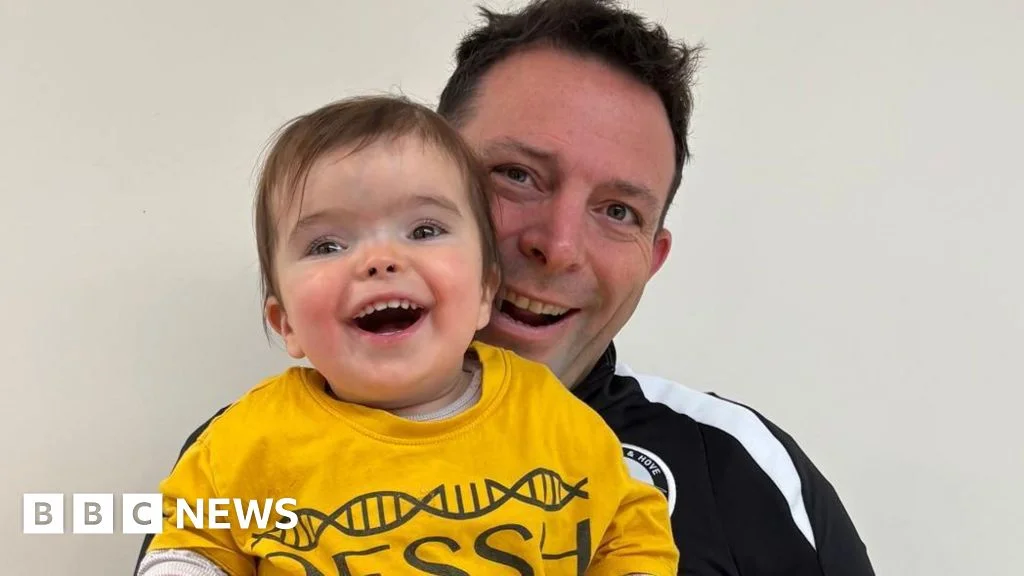
A Brighton emergency physician, Prof Rob Galloway, launches Rare People - The Research Charity after his daughter Frankie is diagnosed with the ultra-rare DeSanto Shinawi syndrome. The charity will fund clinical trials of repurposed medicines identified by artificial intelligence to treat rare genetic brain disorders, inspired by Mayo Clinic cell studies suggesting possible benefit from an epilepsy drug. The aim is to include UK children in trials and, eventually, expand to adults, with support from Brighton & Hove Albion FC at the launch.

AI in the OR raises safety alarms as malfunctions and lawsuits mount
technology3 months ago

AI in the OR raises safety alarms as malfunctions and lawsuits mount

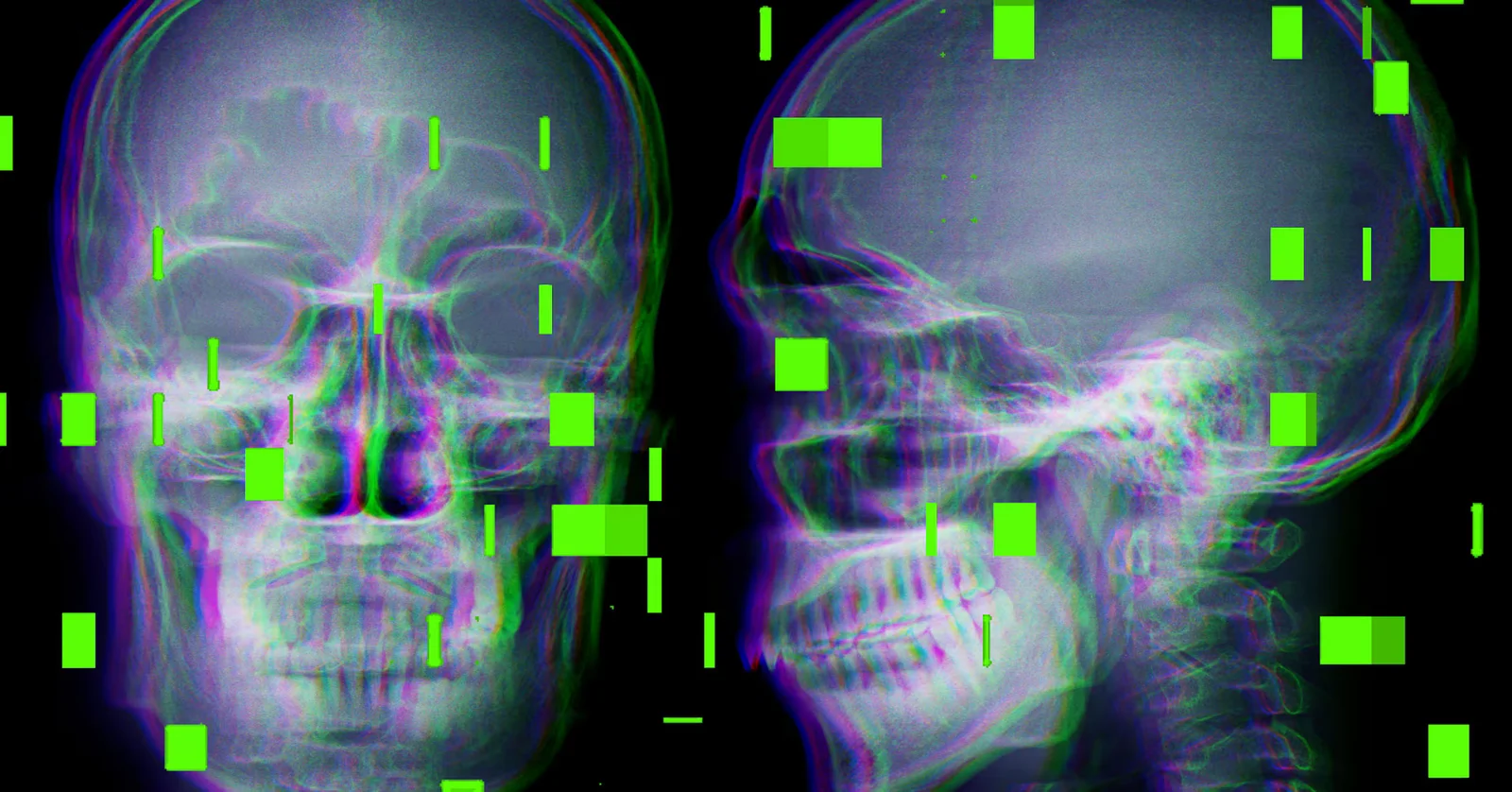
Reuters documents safety concerns with AI-enabled medical devices, notably Johnson & Johnson’s Acclarent TruDi Navigation System, which added AI in 2021 and is tied to malfunctions and injuries, including misidentified anatomy and strokes, with several lawsuits alleging AI contributed to harm. The FDA reports thousands of AI-powered device alerts and dozens of recalls as regulators struggle to keep pace with rapid AI adoption in medicine, highlighting ongoing questions about safety and oversight as AI expands in the field.

When to Worry and Act on Back Pain: Key Signs and Causes
health7 months ago

When to Worry and Act on Back Pain: Key Signs and Causes

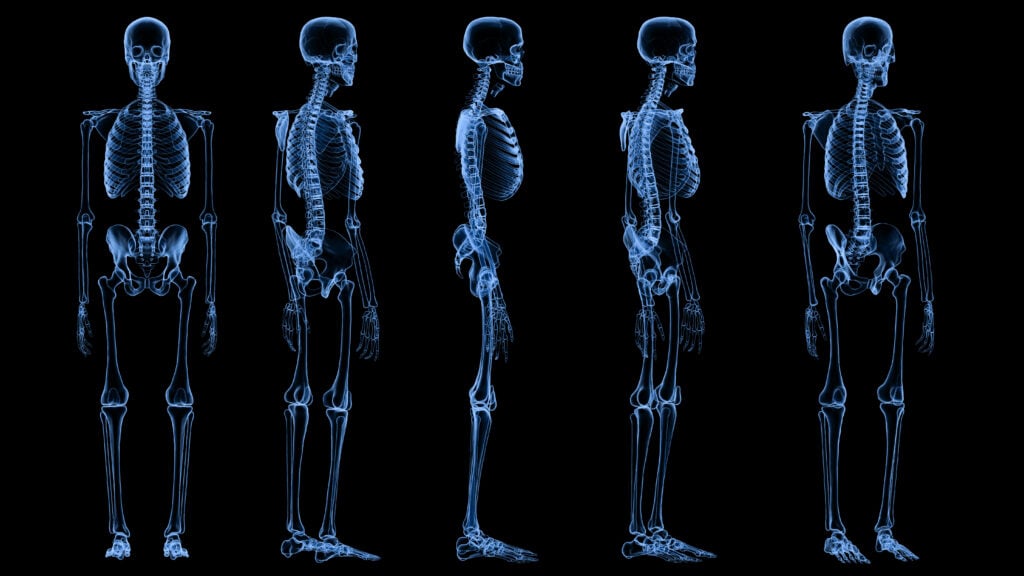
Back pain affects over 619 million people globally and has various causes, from muscle strain to serious conditions like cancer. Most cases improve with conservative treatments like physical therapy and lifestyle changes, but warning signs such as weakness or loss of control require urgent medical attention. Imaging should be used judiciously, and advancements like AI are enhancing spine care. Education and self-care are key to managing back pain effectively.

ESC 2025 Highlights: Breakthroughs in Heart Disease Research and Record Attendance
health8 months ago

ESC 2025 Highlights: Breakthroughs in Heart Disease Research and Record Attendance

At the 2025 European Society of Cardiology conference, groundbreaking research was presented including a new blood pressure drug baxdrostat, AI-powered diagnostic tools, dietary recommendations like potassium intake, genetic testing for children, and vaccines that may reduce cardiovascular risks, marking a significant advancement in heart disease prevention and treatment.