
CVS Analysis: GLP-1 Drugs Save Money for Employers Only Below $350 Monthly
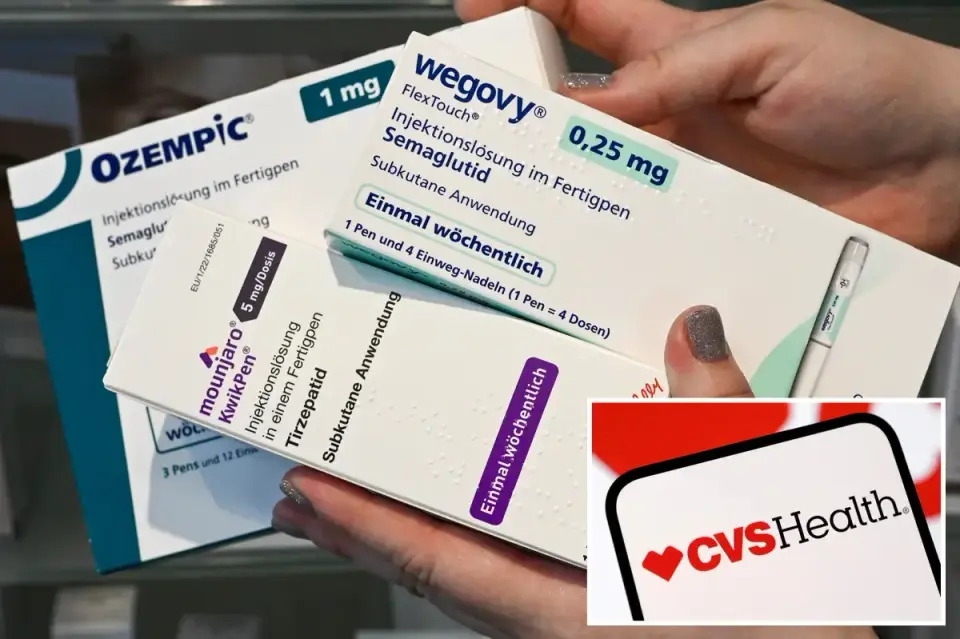
CVS Health reports that GLP-1 medications become cost-effective for employers only when priced below $350 per month. Current prices exceed this threshold, resulting in net financial losses for plan sponsors despite reduced hospital visits.
Key points
- CVS Health analyzed Aetna claims data from 2023 to 2025, finding that GLP-1 drugs increase overall spending at current market prices.
- The analysis covered 60,000 patients in the first year and 20,000 in the second, showing 10-12% lower emergency room visits.
- Long-term users showed 34-42% fewer hospitalizations, but prescription costs outweighed medical savings, adding $3,900 per person over three years.
- Employers currently pay between $617 and $766 monthly for these drugs, far above the $350 break-even point identified by CVS.
- Coverage for obesity treatments is declining as 14% of companies plan to drop these drugs in 2027 to control rising premiums.
Background
This development follows a 2025 agreement where the US government set a $245 monthly price for injectable GLP-1 weight-loss drugs in a Medicare pilot. It also follows broader industry trends where health plan sponsors are tightening coverage to manage premiums expected to rise over 9% in 2027. Earlier archive items regarding unrelated financial and health topics do not provide direct background for this specific pharmaceutical pricing analysis.
Why it matters
The finding highlights a critical economic threshold for GLP-1 adoption. If drug prices remain above $350, employers face net losses despite health benefits, potentially leading to reduced access for patients with obesity and diabetes. This could influence future negotiations between insurers and manufacturers like Eli Lilly and Novo Nordisk.
What to watch
CVS Health will present these findings at the HLTH USA conference in Las Vegas on Sunday. The industry will watch for potential price adjustments by manufacturers or further coverage restrictions by employers in 2027 to align with the $350 break-even point.
Want the full story? Read the original reporting
Read on New York Post