Some people with eating disorders are using GLP-1 receptor agonists to suppress appetite, prompting alarm from doctors who warn of safety risks and potential to mask underlying conditions; experts call for careful screening and caution around off-label use.
A meta-analysis of 11 cardiovascular outcome trials (over 90,000 patients) finds GLP-1 receptor agonists reduce major cardiovascular events and all-cause mortality by about 13% over an average follow-up of nearly three years, with benefits seen in high-risk groups including those with or without diabetes. While GI side effects (nausea, vomiting) are more common, no significant safety signals like pancreatitis or hypoglycemia emerged. The results suggest these obesity/diabetes drugs may play a broader role in cardiovascular risk reduction and could influence clinical practice and policy.
A new review suggests that for people who don’t respond to GLP-1 weight-loss drugs, adding NB-ER (naltrexone/bupropion) may improve outcomes by reducing hunger and cravings. Genetics may explain nonresponse, and experts say a multi-pronged, personalized approach could help some patients who fail to reach meaningful weight loss with GLP-1 alone.
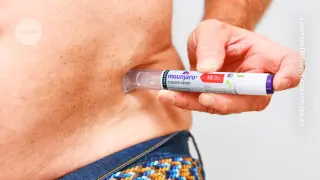
GLP-1 weight-loss injections can jump-start shedding pounds, but long-term success hinges on lifestyle: regular exercise, better food choices, adequate sleep, and attention to mental health. One patient lost 110 pounds after adding a six-days-a-week workout plan. Doctors warn about potential complications (pancreatitis, gallstones, kidney injury) if dosage is increased too quickly or misused, underscoring the need for medical supervision. Access and cost remain barriers, with limited insurance coverage for obesity and forthcoming Medicare coverage; online suppliers may lack dosing guidance and safety information.
GLP-1 drugs, originally prescribed for type 2 diabetes and obesity, are being explored by healthy individuals in the hope of extending healthspan and possibly lifespan. The evidence is tantalising but not conclusive, and these therapies are far from a proven longevity panacea given uncertainties about long-term effects, risks, and costs.
A Wall Street Journal piece explains that GLP-1 weight-loss medications like Ozempic and Wegovy are intended as lifelong treatments for obesity, not quick lifestyle fixes; studies show most people who stop the drugs regain the lost weight within about 1.5 years, underscoring the need for ongoing treatment and monitoring.
A real-world analysis of 135,000+ patients on GLP-1 therapies (tirzepatide and semaglutide) found weight loss durability after discontinuation. Six months after stopping, about 28% of tirzepatide users regained weight, while 36% kept it off and 36% continued to lose; for semaglutide, ~33% regained, ~32% maintained, and ~35% still lost weight, with a median six‑month change of 0%. The findings suggest durability is possible in routine care and could support a disease-management approach, especially when paired with exercise counseling. Limitations include its observational nature and incomplete accounting for dose and lifestyle factors; results differ from some clinical trial findings and more research is needed to identify who maintains weight loss long-term.
Six new GLP-1–based obesity drugs are racing to challenge Ozempic/Wegovy, including orforglipron (daily pill) with about 10% weight loss at high dose, CagriSema (semaglutide plus amylin) up to 22.7% in a year, VK2735 (GLP-1 + GIP) up to 12% in 13 weeks, MariTide (monthly injection) up to 20% in a year, Retatrutide (GLP-1 + GIP + glucagon) with nearly 30% weight loss over 68 weeks, and Rejuva (gene therapy to boost GLP-1) in early stages; together signaling a broader, more diverse obesity treatment landscape with FDA actions and safety considerations ahead.
A study from the University of Oxford found that stopping GLP-1 receptor agonist drugs like Wegovy and Ozempic leads to rapid weight regain and loss of health benefits within about 1.4 to 1.7 years, highlighting the need for comprehensive, long-term weight management strategies rather than short-term medication use.
Stopping GLP-1 weight-loss drugs causes weight regain four times faster than ending exercise, with most individuals returning to their original weight within 18 months, highlighting the need for long-term management strategies.
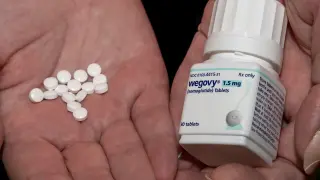
Novo Nordisk received FDA approval for Wegovy, the first oral GLP-1 medication for weight loss, which could significantly impact the obesity treatment industry by offering a more convenient option and potentially increasing market share amid rising competition and pricing pressures.
The FDA has approved the first daily oral medication version of Wegovy, a popular weight-loss drug, giving Novo Nordisk an advantage over Eli Lilly, whose similar drug is still under review. The pill, containing semaglutide, has shown significant weight loss in clinical trials and is expected to be available soon, potentially expanding access and reducing costs for obesity treatments.
The FDA has approved the first oral GLP-1 pill for weight loss, developed by Novo Nordisk, which offers a more convenient and potentially cheaper alternative to injections, with clinical trials showing significant weight loss results.
Pfizer will acquire Metsera for up to $10 billion after a bidding war with Novo Nordisk, with the deal expected to close soon. Metsera's stock fell over 15% following the announcement, despite its initial surge after going public in January. The acquisition aims to strengthen Pfizer's position in obesity treatment, leveraging Metsera's midstage GLP-1 drug and potential monthly therapies.
Pfizer is potentially leveraging its political connections, including ties with President Trump, to outbid Danish rival Novo Nordisk in an $8.5 billion deal for obesity biotech Metsera, amid concerns about overpaying and antitrust issues.