
Investors Flock to 6% Corporate Bond Yields as Nvidia Leadership Crisis Spooks Stocks
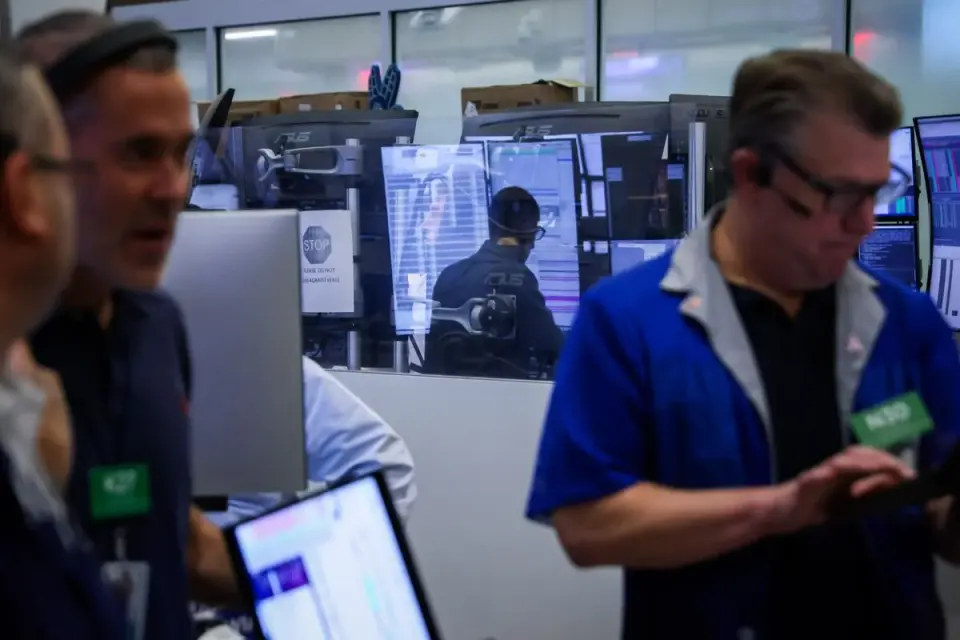
US high-grade corporate bonds have rallied recently, offering yields near 6%, as investors seek stability after stock market turbulence linked to Nvidia’s leadership crisis and rising inflation concerns.
Key points
- US investment-grade corporate bond yields averaged 6% on Friday, nearing post-financial-crisis highs, while the sector gained 1.2% since late September.
- Nvidia shares fell 4.34% after CEO Jensen Huang resigned, triggering volatility that pushed investors toward fixed income, though the broader S&P 500 declined only 0.35%.
- October CPI data showed headline inflation at 0.4% and core at 0.3%, both exceeding expectations, prompting markets to price nearly 90 basis points of Federal Reserve rate hikes by late 2027.
- The 10-year Treasury yield rose 30 basis points this week to 5.125%, driven by inflation fears and geopolitical tensions regarding Iran, while the dollar strengthened to its highest level since April 2025.
Background
This shift in investor preference follows a period of rising Treasury yields, which reached 2002 highs in October due to tech giants issuing record debt for AI infrastructure. Recent archive coverage noted that Nvidia’s stock volatility and leadership changes have already impacted AI sector peers like CoreWeave, whose debt load and default insurance costs surged in October. The current bond rally represents a continuation of the flight to safety observed during the post-election selloff and subsequent AI sector corrections.
How outlets are covering it
Bloomberg emphasizes the appeal of corporate bonds as a shelter from stock turbulence, highlighting the 6% yield as a near-record opportunity for income. Nasdaq focuses on the macroeconomic drivers, specifically how October CPI data and Fed officials’ openness to 50 basis point hikes are reshaping rate expectations, while noting the Nasdaq-100’s 4% weekly rise despite the Nvidia shock. QCP Group provides a broader global view, linking the bond yield spike to a strengthening dollar and rising Japanese government bond yields, while noting that the market absorbed the Nvidia leadership change as a single-stock event rather than a systemic crisis. All sources agree on the impact of inflation data but differ on the severity of the stock market reaction, with Nasdaq highlighting a rebound and QCP noting limited broad-market damage.
Why it matters
The rotation into corporate bonds signals a shift in investor strategy amid persistent inflation and geopolitical risks. High yields offer a hedge against stock volatility, but the pricing of future rate hikes suggests that monetary policy may remain restrictive, potentially impacting corporate borrowing costs and consumer spending. The resilience of the broader market despite Nvidia’s crisis indicates that AI sector concerns may be contained, but the bond market’s reaction underscores lingering fears about inflation and central bank policy.
What to watch
Investors will watch October PPI data for further inflation signals and Federal Reserve minutes for clues on December rate decisions. Nvidia’s upcoming earnings report on November 17 will test the market’s recovery from the leadership change. Geopolitical developments regarding Iran and oil prices will also influence bond yields and inflation expectations in the coming weeks.
- Juicy 6% Yields Gain Appeal After Nvidia Drama: Credit Weekly Bloomberg.com
- Nvidia Bonds Hold Steady WSJ
- Chartstopper: November 13, 2026 Nasdaq
- FX Daily: Scandal Rocks the AI Kingdom, King Dollar Rules Another Day, and Gold Struggles to Get Off the Mat The Dark Side Of The Boom
- QCP Market Colour QCP Group
Want the full story? Read the original reporting
Read on Bloomberg.com