
Midterm Anti-AI Wave Triggers Global Tech Crash, Wiping $2.8T From S&P 500
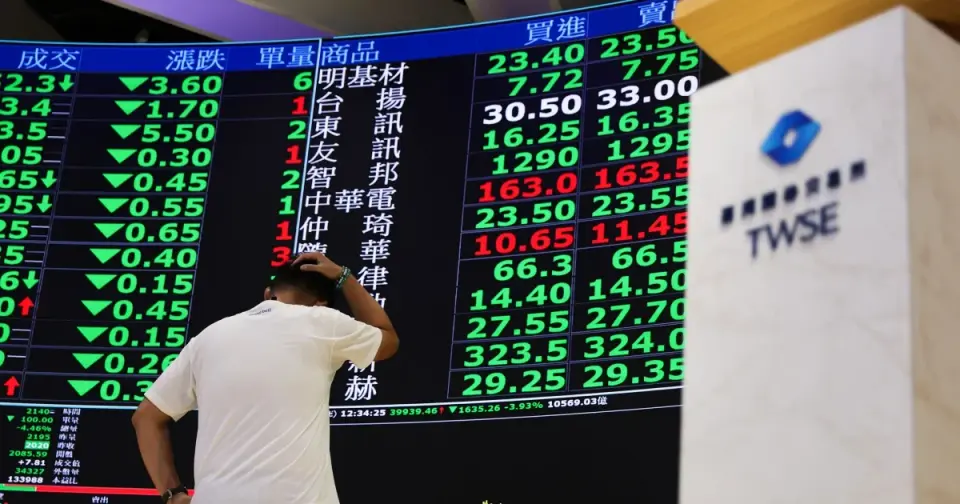
Global markets plunged Friday as U.S. midterm results favoring anti-AI candidates triggered a massive sell-off. The S&P 500 fell 4.4% and the Nasdaq 100 dropped 6.3%, their worst days in 18 months. Asian markets suffered severe losses, with South Korea’s Kospi index triggering a trading halt after falling over 8%. Investors fear new Democratic scrutiny of AI infrastructure and data centers will disrupt the current boom, particularly impacting hardware suppliers in Asia.
Key points
- U.S. tech stocks led a global rout, with the Nasdaq 100 losing $2.3 billion and the S&P 500 shedding $2.8 trillion in market value.
- The sell-off followed U.S. midterm elections where candidates opposing AI and data centers won key positions, including Texas Governor-elect Gina Hinojosa.
- Asian markets were hit hardest, with South Korea’s Kospi index dropping over 8% and triggering a temporary market-wide trading halt.
- Japan’s Nikkei 225 fell as much as 6%, entering bear-market territory, while Taiwan’s TAIEX index dropped 9%.
- European indices, including the FTSE 100, CAC40, and DAX, also opened lower, reflecting global concerns over AI investment sustainability.
Background
This crash follows a series of tech sell-offs in October 2026, where AI earnings misses, rising interest rate fears, and concerns over AI debt sustainability already pressured global markets. In October, South Korea’s Kospi index had previously dropped 7.6% and 7.4% on separate occasions due to semiconductor fears and inflation data. The current crash intensifies these concerns, as Asian markets had already seen significant corrections from their June peaks, with some Chinese AI stocks losing over 80% of their value since mid-year.
Why it matters
The market rout signals a potential shift in the global AI investment cycle, as political opposition to AI infrastructure in the U.S. could lead to regulatory scrutiny, delays, and increased costs for the industry. This could disrupt the supply chain for AI hardware, particularly affecting Asian manufacturers like Samsung, SK Hynix, and TSMC, which are heavily dependent on U.S. AI capital expenditure. The crash also raises questions about the sustainability of AI valuations and the long-term profitability of AI investments, potentially leading to a broader economic slowdown in tech-dependent sectors.
What to watch
Investors will monitor the impact of the new Democratic Congress on AI infrastructure projects, including potential regulatory changes and funding delays. Asian markets may see further volatility as they adjust to reduced U.S. AI spending, though some analysts suggest that global demand for computing power could sustain hardware demand in the medium term. The U.S. market may continue to fluctuate as investors assess the long-term implications of the midterm results on the AI sector.
Want the full story? Read the original reporting
Read on NBC News