
Oil Pulls Back from $108 Peak but Brent Crude Set to Close Week Above $100
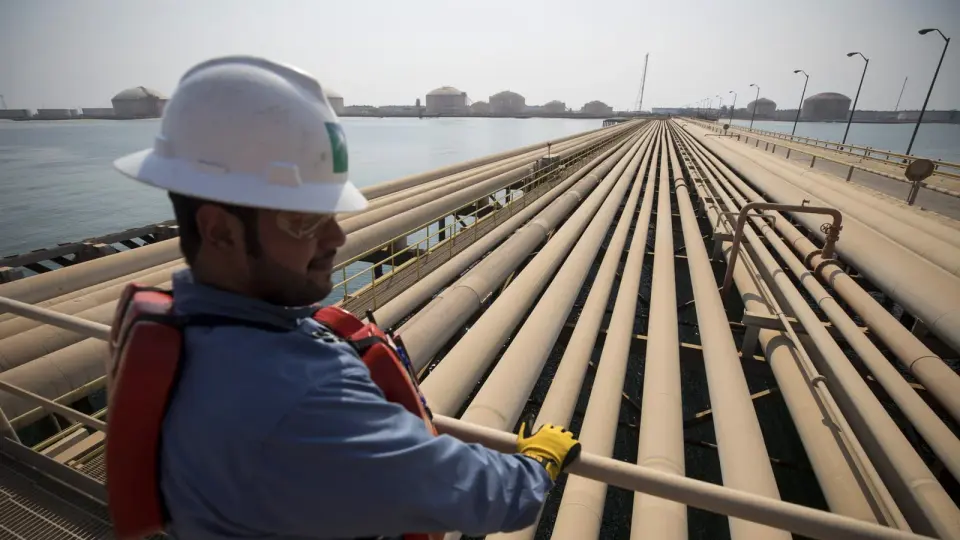
Oil prices retreated on Friday, snapping multi-day winning streaks, but Brent crude remains on track for a nearly 10% weekly gain after trading above $100 per barrel for the first time since May. The pullback follows a peak of $108 on Thursday, driven by fears of a prolonged Iran conflict and supply disruptions in the Red Sea.
Key points
- Brent crude futures fell 3.58% to $103.78 per barrel, while West Texas Intermediate (WTI) dropped 2.17% to $99.23, ending a five-day and eight-day winning streak, respectively.
- Despite the Friday decline, Brent is on course for an 8.4% weekly gain, and WTI for a 9.2% gain, marking the first weekly close above $100 for Brent since mid-May.
- Markets are reacting to reports that top White House advisors discussed the possibility of the Iran conflict extending beyond President Trump's current term, despite his assertion that it will end after the November midterms.
- Deutsche Bank analyst Jim Reid noted that geopolitical fears are driving prices, citing concerns over Red Sea shipping safety and Saudi Arabia's oil output falling to its lowest level since 1990.
- PVM Oil Associates analyst Tamas Varga suggested that while further price spikes are possible, higher costs may eventually obliterate demand, and renewable energy could help narrow the supply-demand gap within 2026.
Background
Oil prices have remained elevated since August 2026, driven by geopolitical tensions in the Persian Gulf and the effective closure of the Strait of Hormuz. In September, oil prices above $100 contributed to rising U.S. Treasury yields and mortgage rates, with the 30-year fixed mortgage rate breaking above 7% for the first time since May 2025. U.S. gasoline prices have hovered above $4 per gallon, up approximately 45% in 2026, as supply concerns persist.
Why it matters
The sustained high price of oil is influencing broader financial markets, including bond yields and mortgage rates, and could impact inflation and consumer spending. The potential for a prolonged conflict in the Middle East introduces uncertainty into global energy supply, with analysts debating whether current price levels are structural or transitory.
What to watch
Investors will monitor whether the current supply deficit is structural or temporary, as well as any developments in the Iran conflict and Red Sea shipping. Analysts suggest that while further price strength is possible, higher oil prices may eventually reduce demand, and renewable energy adoption could help narrow the supply-demand gap by the end of 2026.
Want the full story? Read the original reporting
Read on CNBC