
S&P 500 Enters Correction as AI Valuation Concerns and Rate Hikes Trigger 10% Plunge
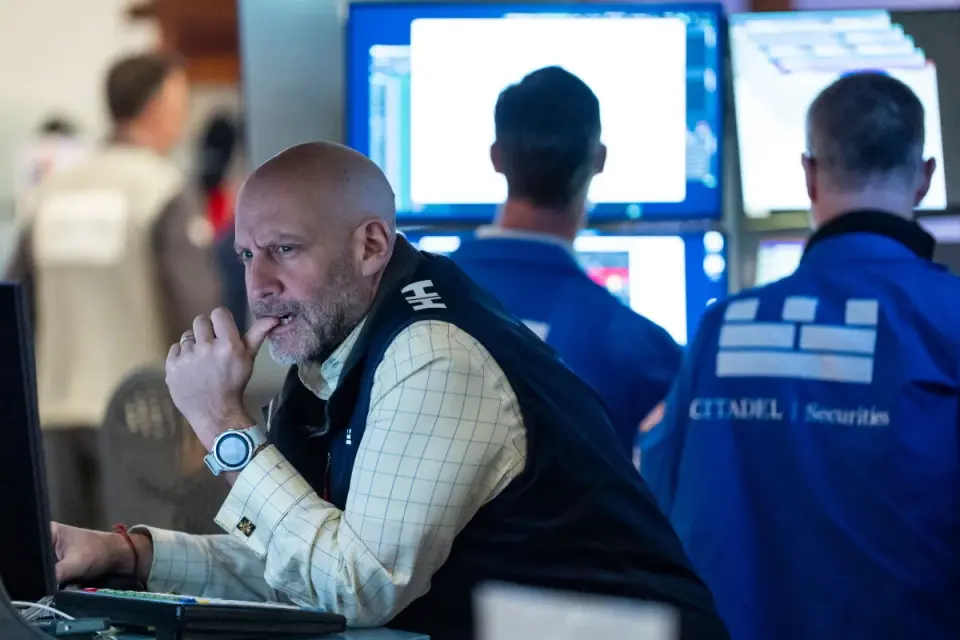
The S&P 500 has fallen 10% from its October peak, entering a correction driven by AI valuation fears, rising interest rates, and regulatory shifts. While some analysts view this as a healthy market reset, others warn of deeper declines due to high valuations and potential stagflation.
Key points
- The S&P 500 dropped 11.6% from its peak, erasing most 2026 gains and entering correction territory, while the Nasdaq Composite turned negative for the year.
- Investors are concerned about AI profitability, high capital expenditure, and the Federal Reserve’s expected rate hike in December, which increases borrowing costs for tech firms.
- Nvidia’s stock declined following the departure of CEO Jensen Huang, exacerbating sell-offs in the AI sector despite Anthropic’s record IPO.
- Historical data shows corrections occur every couple of years; the last one before a bear market was in 2022, while the most recent correction was in March 2025.
- Prediction markets now assign only a 6% chance of the S&P 500 reaching 8,000 in 2026, down from 72% in October, reflecting diminished optimism for a year-end rally.
Background
This downturn follows a period of unusual market calm in late October, where the VIX remained subdued despite tech sector declines. Recent weeks saw significant losses in major tech stocks, with CoreWeave dropping 76% from its peak, and the S&P 500 losing over $6 trillion in value. The market had previously rallied on AI optimism, but concerns over data center costs and regulatory backlash from new Democratic leaders in Texas and Georgia have intensified selling pressure.
How outlets are covering it
AP News frames the drop as a standard correction, noting that such events have occurred regularly for over a century and may serve as a healthy wipeout of overdone euphoria. In contrast, Seeking Alpha’s Daniel Jones argues the market is entering a stagflationary recession, citing the S&P 500’s trailing P/E in the 91.3rd percentile and the 10-year Treasury yield exceeding the market’s earnings yield. CNBC highlights the shift in prediction markets, where odds of the S&P 500 crossing 8,000 have collapsed from 72% to 6%, suggesting a bleak outlook for 2026. The Washington Post notes that the Nasdaq has turned negative for the year, while the S&P 500’s year-to-date gain has shrunk to less than 1%. Analysts like Dan Ives view the sell-off as panic-driven rather than a sign of a broader tech collapse, whereas David Trainer warns the AI bubble is still popping.
Why it matters
The correction signals a potential shift from speculative AI growth to a focus on measurable earnings, impacting investor portfolios and corporate financing strategies. If the Fed hikes rates in December, borrowing costs for AI companies could rise, potentially slowing infrastructure development. The divergence in analyst views highlights uncertainty about whether this is a temporary reset or the start of a deeper bear market, with implications for global economic stability and consumer confidence.
What to watch
Market watchers are monitoring the Federal Reserve’s December meeting for rate decisions, which could further pressure tech stocks. The Stock Trader’s Almanac suggests the market low may occur in mid-to-late December, mirroring the 2018 pattern. Investors will also watch for signs of a 'Santa rally' or continued volatility as the AI sector navigates regulatory challenges and capital expenditure sustainability. The next few weeks will determine if the correction stabilizes or deepens into a bear market.
- A 10% drop for the stock market is unnerving, but it’s not that unusual AP News
- The sudden reversal in the stock market, and what comes next The Washington Post
- Prediction markets outlook for stocks in 2026 dims amid AI sell-off CNBC
- If I Could Tell All S&P 500 Investors Just 1 Thing Right Now, It's This The Motley Fool
- The Stock Market Is Declining And The Worst May Be Yet To Come (NYSEARCA:SPY) Seeking Alpha
Want the full story? Read the original reporting
Read on AP News