
Senate Blocks Landmark Crypto Bill, Sending Bitcoin Below $76,000
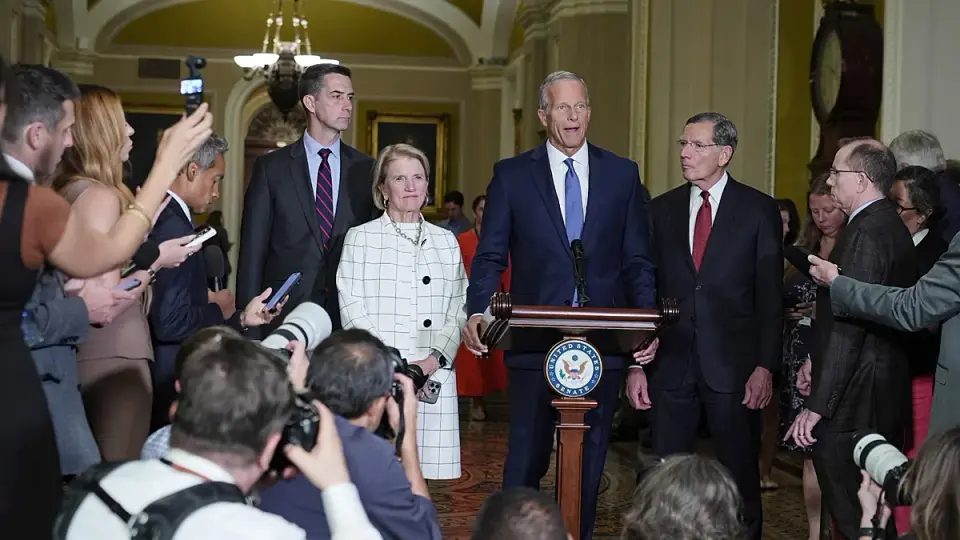
The US Senate failed to advance the CLARITY Act, a landmark digital asset regulation bill, after a procedural vote fell short of the required 60 votes. The defeat triggered a sharp drop in cryptocurrency markets, with Bitcoin falling nearly 4% to below $76,000. The bill, which sought to divide regulatory oversight between the SEC and CFTC, collapsed despite significant bipartisan concessions, including ethics restrictions on President Trump’s crypto holdings. The failure leaves the crypto industry without a federal rulebook, shifting the burden of regulation to agencies and delaying legislative clarity until after the 2026 midterm elections.
Key points
- The CLARITY Act failed a procedural vote in the US Senate, receiving 49 votes in favor and 50 against, falling 11 votes short of the 60 needed to advance.
- Bitcoin dropped nearly 4% to below $76,000, while the Hyperliquid token (HYPE) fell about 4% to below $78, reflecting broad market sell-offs.
- The bill aimed to split digital asset supervision between the Commodity Futures Trading Commission (CFTC) and the Securities and Exchange Commission (SEC), replacing a fragmented enforcement-based system.
- President Trump agreed to ethics restrictions, including divestment of crypto interests by federal officials and their spouses, and a role for state attorneys general in enforcement.
- Four Republicans (Jerry Moran, Susan Collins, Josh Hawley, and Thom Tillis) joined 45 Democrats in voting against the bill, while Democratic Senator Chris Coons abstained.
- The defeat is expected to delay federal crypto legislation until after the 2026 midterm elections, with regulators likely accelerating agency-level rulemaking in the interim.
Background
The CLARITY Act had been a focal point of bipartisan negotiations for over a year, with the crypto industry spending over $225 million on lobbying since January 2025. Previous attempts to pass the bill stalled in August 2026 due to unresolved ethics provisions and bank concerns. The White House had recently pushed the bill, arguing that stablecoins do not drive bank deposit flight, while Democrats demanded stricter safeguards against conflicts of interest involving President Trump’s crypto ventures. The bill’s failure follows a period of regulatory limbo, with the SEC and CFTC already developing frameworks without congressional input.
How outlets are covering it
Euronews emphasizes the procedural failure and the immediate market impact, noting that the bill’s defeat was unexpected despite significant concessions, including Trump’s agreement to ethics restrictions. CNN highlights the role of Trump’s crypto empire in blocking the bill, with Senator Elizabeth Warren arguing that the bill failed to adequately protect investors and national security. CNN also notes that Republicans accused Democrats of moving the goalposts after a year of negotiations, while Democratic Senator Ruben Gallego criticized Republicans for abruptly ending negotiations. C-SPAN’s source was inaccessible, so no perspective could be extracted. The Yahoo Finance source was also inaccessible, so no perspective could be extracted.
Why it matters
The failure of the CLARITY Act leaves the crypto industry without a clear federal regulatory framework, increasing uncertainty and volatility in digital asset markets. The shift to agency-level rulemaking by the SEC and CFTC may lead to less durable regulations, as future administrations could easily rewrite agency rules. The delay until after the 2026 midterm elections complicates the legislative process, as senators are likely to prioritize campaign activities over legislative work. The market reaction, including a 4% drop in Bitcoin, underscores the sensitivity of crypto assets to regulatory developments and the importance of legislative clarity for industry stability.
What to watch
The crypto industry is expected to wait until next year for clearer rules, as the US midterm elections in seven weeks complicate the legislative process. Senators are scheduled to leave Washington in early October and not return until after the election, while the House recesses even earlier. Regulators, including the SEC under Paul Atkins and the CFTC under Michael Selig, are likely to accelerate agency-level rulemaking, including registration exemptions for token launches and safe harbors for decentralizing projects. However, the durability of these rules is uncertain, as they can be rewritten by a future administration.
- Bitcoin drops after US Senate blocks landmark crypto bill Euronews.com
- Senate Votes to Block Crypto Bill in Major Blow to the Industry The New York Times
- Morning Minute: Clarity Act Vote Falls Short as Democrats All Vote ‘No’ Yahoo Finance
- The crypto industry saw Trump as its savior. His crypto business just snagged a key bill CNN
- Congressional Chronicle - Members of Congress, Hearings and More | C-SPAN.org | C-SPAN.org C-SPAN
Want the full story? Read the original reporting
Read on Euronews.com