
Utah Files Felony Charges Against Kalshi as Federal Agency Sues to Block Enforcement
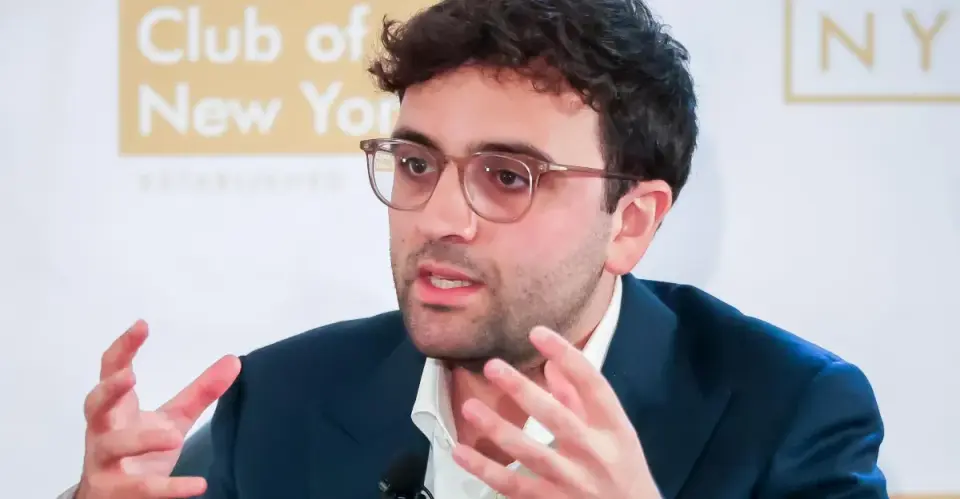
Utah filed 14 criminal charges against prediction market Kalshi and its co-founders, alleging illegal gambling promotion. Simultaneously, the federal CFTC sued Utah to block enforcement, claiming exclusive jurisdiction. The conflict highlights a national dispute over whether prediction markets are regulated by state gambling laws or federal commodity rules.
Key points
- Utah filed 14 criminal charges, including 13 felonies, against Kalshi and co-founders Tarek Mansour and Luana Lopes Lara for allegedly promoting online gambling.
- An undercover agent placed 12 bets totaling $114.87 on Kalshi between September 13 and 24, using a Utah address and debit card.
- The CFTC sued Utah on Tuesday, arguing it has exclusive federal jurisdiction over prediction markets and that state gambling laws are preempted.
- Kalshi called the charges a 'crazy overreach' and vowed to fight them in court, similar to its successful defense in Arizona.
- The legal conflict is part of a broader national dispute, with conflicting circuit court rulings suggesting a Supreme Court resolution is likely.
Background
Utah has long maintained a strict ban on all forms of gambling, including under its state constitution. In August, a federal judge ruled that Utah’s anti-gambling laws apply to Kalshi, rejecting the company’s claim that federal law preempts state regulation. This criminal filing follows a civil lawsuit filed by Utah in late September seeking to shut down Kalshi’s operations in the state.
How outlets are covering it
The Verge and The Salt Lake Tribune emphasize the criminal nature of the charges and the undercover operation that led to them. Ars Technica and Mashable highlight the simultaneous federal lawsuit by the CFTC, framing the event as a clash between state and federal regulatory authority. Kalshi, as reported by all sources, dismisses the charges as political overreach, while Utah Attorney General Derek Brown asserts that calling the platform a 'prediction market' does not exempt it from gambling laws.
Why it matters
The outcome of this legal battle could determine whether states can enforce gambling bans on prediction markets or if federal jurisdiction will preempt state laws. A Supreme Court ruling is likely given the conflicting decisions from different federal circuit courts, which could have significant implications for the regulation of prediction markets and sports betting nationwide.
What to watch
Kalshi and its co-founders must respond to the criminal charges in Third District Court in Salt Lake County. The CFTC’s lawsuit against Utah will proceed in federal court, where the agency seeks to block state enforcement. The Supreme Court may eventually take up the case to resolve the circuit split over federal vs. state jurisdiction.
- Utah charges Kalshi and its CEO with illegally promoting online gambling The Verge
- Utah files 14 criminal charges against Kalshi and its founders, says the site breaks the state’s gambling laws The Salt Lake Tribune
- Utah sues Kalshi. The feds sue Utah. Mashable
- Utah attorney general received campaign donations from gambling companies, disclosures show KSL News
- Kalshi and its co-founders face felony charges for violating Utah gambling laws Ars Technica
Want the full story? Read the original reporting
Read on The Verge