
Lagarde Resigns Early to Break Silence, Warns of Potential December Rate Hike
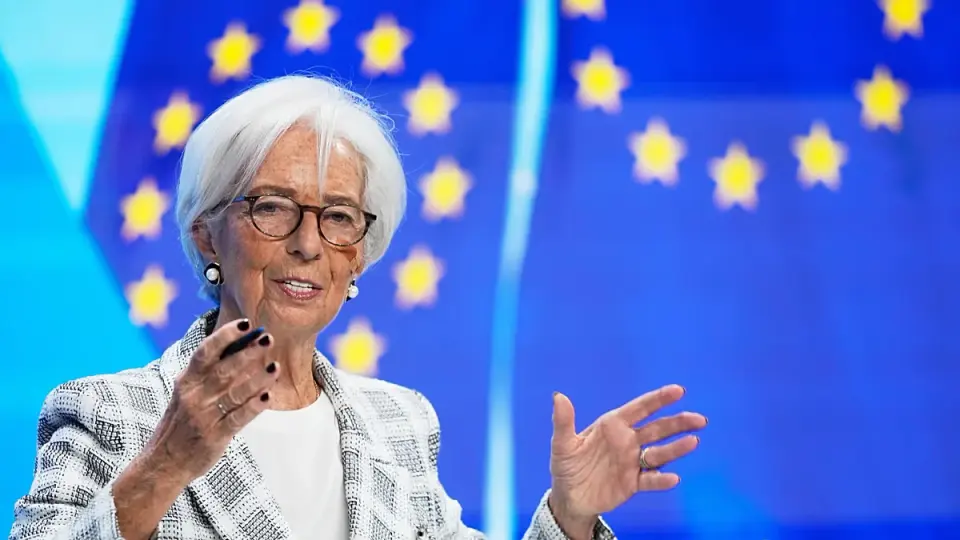
Christine Lagarde will resign as European Central Bank president on February 7, 2027, nine months early. She cited a desire to speak freely on non-monetary issues. The ECB held rates at 2.5% but debated a hike due to rising energy costs and bond yields.
Key points
- Lagarde will step down on February 7, 2027, cutting her term short by nine months to regain freedom of speech.
- The ECB held its deposit rate at 2.5% but seriously debated a hike due to rising energy prices and long-term borrowing costs.
- Eurozone inflation reached 3.8% in September, with energy prices up 18.9% year-on-year.
- France’s 10-year bond yield exceeded 5% recently, widening the spread with Germany to 154 basis points.
- European leaders will select Lagarde’s successor before France’s presidential election to avoid potential right-wing influence.
Background
Lagarde’s departure follows earlier exits by board member Isabel Schnabel and upcoming term ends for chief economist Philip Lane. Previous internal concerns about leadership uncertainty and inflation targets have now resolved into a concrete transition plan.
How outlets are covering it
Euronews highlights Lagarde’s personal motivation to break central bank neutrality and her warnings about market transmission risks. The New York Times emphasizes the political timing, noting the move ensures a successor is chosen while President Macron is in office, ahead of a potential far-right victory. AP News focuses on the complex political bargaining for three top ECB roles and notes that analysts like Holger Schmieding view the resignation as expected, with no immediate change to policy outlooks. While Euronews details the internal debate over a rate hike, AP and NYT frame the event primarily as a political and institutional transition.
Why it matters
The early exit accelerates the search for a new ECB leader during a period of high inflation and fiscal stress in France. It ensures continuity in monetary policy leadership before a potentially disruptive French election, while the ECB signals that future rate decisions will depend on upcoming inflation and growth data.
What to watch
The ECB will hold two more meetings under Lagarde, in December and February. European leaders are expected to finalize a package deal for three top ECB vacancies before a December 17-18 summit. Markets will watch for a potential quarter-point rate hike in December, depending on inflation and wage data.
- ‘I cannot remain neutral’: Lagarde explains her early ECB exit Euronews.com
- Christine Lagarde to Step Down as Chief of European Central Bank The New York Times
- Who Replaces Lagarde? De Cos and Knot Lead Candidates to Run ECB Bloomberg.com
- European Central Bank head resigns, allowing EU leaders to choose successor before French election AP News
- Christine Lagarde departs at a moment of peril The Economist
Want the full story? Read the original reporting
Read on Euronews.com