
Midterm races in Ohio, Texas, and Kansas could reshape financial regulation and AI infrastructure
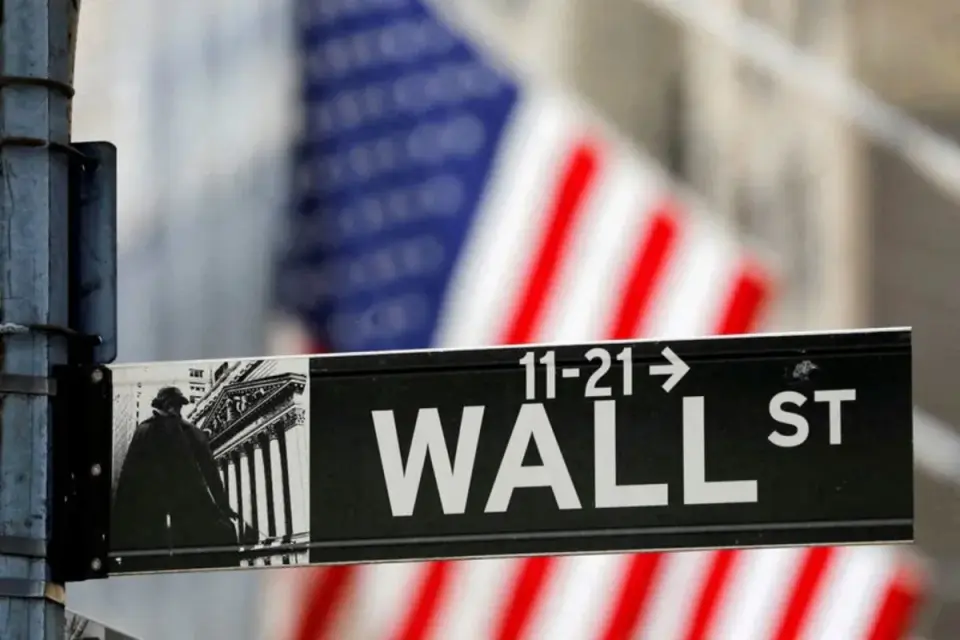
Financial markets are closely monitoring competitive US midterm races that could alter policy on banking, crypto, and artificial intelligence. Key Senate contests in Ohio, Kansas, Texas, and Nebraska feature candidates with diverging views on swipe fees and digital assets. Gubernatorial races in Texas, Georgia, and Ohio may impact $2.5 trillion in planned AI data center investments. Historical data suggests markets perform best when no single party controls both the White House and Congress, though current geopolitical and AI-driven volatility complicates this trend.
Key points
- Ohio Senate race between Sherrod Brown and Jon Husted is a major test for crypto groups, which have spent over $50 million to defeat Brown, a known skeptic.
- Kansas Senate race pits Roger Marshall, who supports capping credit card swipe fees, against Adam Hamilton; banks have opposed such caps for years.
- Texas Senate race between Ken Paxton and James Talarico is a test of Democratic inroads in conservative states; Paxton has previously sued Wall Street firms over lending policies.
- Gubernatorial races in Texas, Georgia, and Ohio could determine the trajectory of $2.5 trillion in AI infrastructure investment due to state-level permitting powers.
- CNBC analysis shows the S&P 500 averages a 13.7% gain one year after midterms, with divided government yielding higher returns than single-party control.
Background
Recent financial sector shifts, including the dissolution of major law firms and volatile AI stock performance, have heightened sensitivity to regulatory changes. The 2026 midterms occur amid a strong AI investment cycle and geopolitical tensions, making legislative outcomes critical for market stability.
How outlets are covering it
Reuters emphasizes the direct impact of specific races on financial regulation and crypto policy, highlighting the financial industry's significant spending to influence outcomes. CNBC focuses on historical market performance, noting that divided government typically benefits the S&P 500, but warns that a Democratic sweep could hinder AI infrastructure buildout. Axios, while largely a cookie consent page, implies that market reaction to election results will be a key driver, aligning with broader concerns about AI and geopolitical risks.
Why it matters
The outcome of these races will directly influence the regulatory environment for major financial institutions, the future of cryptocurrency legislation, and the pace of AI infrastructure development. A shift in congressional control could lead to increased scrutiny of banks and asset managers, while gubernatorial results in key states could accelerate or delay massive AI investments.
What to watch
Investors will monitor the S&P 500's reaction to the election results, with historical data suggesting a positive trend if no single party dominates. The focus will shift to how new congressional leadership, particularly in the Senate Banking Committee, approaches financial regulation and crypto policy. State-level decisions on data center permitting will also be critical for AI sector growth.
- Factbox-The mid-term races Wall Street and other financial firms are watching Yahoo Finance
- Stock market after midterm elections: What S&P 500 history shows CNBC
- Analysis-Investors gaming out Congress control for spending, AI outlook Yahoo Finance
- Reaction to elections will be key for markets Axios
- Stock Bulls Are Betting on a Bounce After the Midterms Bloomberg.com
Want the full story? Read the original reporting
Read on Yahoo Finance