
HHS Lifts Ban on Six Unapproved Peptides via Enforcement Discretion
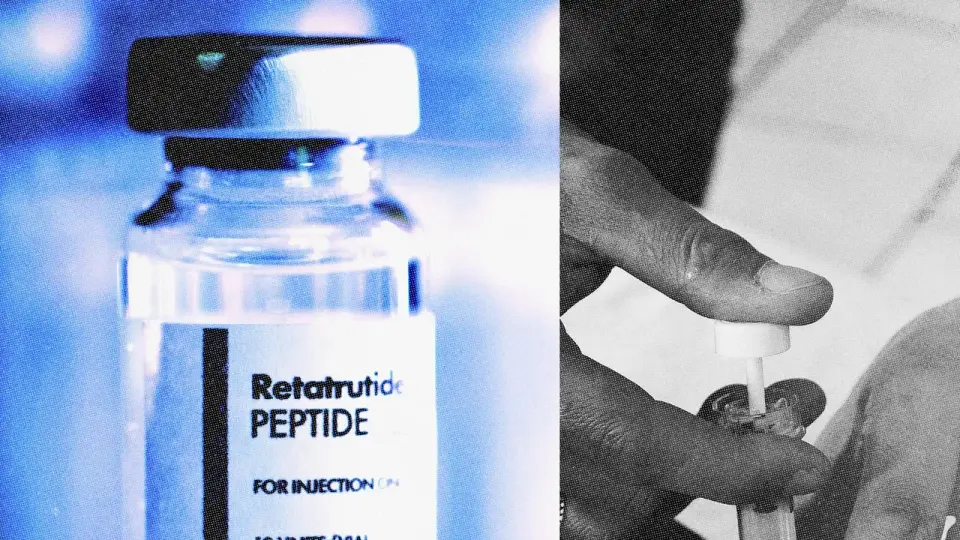
HHS Secretary Robert F. Kennedy Jr. announced that the government will not enforce restrictions against pharmacies compounding six specific peptides, including BPC-157 and TB-500. This move, termed 'enforcement discretion,' allows these unapproved substances to be dispensed with prescriptions despite lacking human clinical trials. While proponents argue this reduces reliance on dangerous black markets, critics warn that the policy bypasses FDA safety standards and could expose patients to unknown risks.
Key points
- Kennedy Jr. authorized the use of six peptides: BPC-157, TB-500, MOTS-c, Semax, KPV, and Epitalon.
- The policy uses 'enforcement discretion' rather than formal FDA approval, meaning the drugs remain unapproved.
- Compounding pharmacies must source ingredients from FDA-registered facilities and report adverse events.
- FDA scientists opposed the decision, citing a lack of comprehensive human trials and safety data.
- The global peptide market was valued at over $140 billion in 2025, with North America holding 60% of revenue.
Background
This development follows months of tension between HHS and the FDA regarding peptide regulation. In July 2026, an FDA advisory committee voted to recommend adding these compounds to a bulk drug list, a move Kennedy cited in his decision. Earlier this year, the FDA had placed these peptides on a 'do not compound' list due to safety concerns. The current policy shift aligns with the broader 'Make America Healthy Again' agenda, which seeks to reduce barriers to alternative treatments, though it contrasts with previous FDA warnings about the risks of unregulated injectables.
How outlets are covering it
GQ and Yahoo highlight the conflict between Kennedy’s decision and FDA scientists, who warned against releasing scantily researched injectables. GQ notes that while Kennedy aims to curb black markets, ASOP Global argues the policy may allow illegal actors to hide among compliant providers. Fierce Pharma reports that industry groups like the Alliance for Pharmacy Compounding welcome the move as a safer alternative to illicit suppliers, while Public Citizen criticizes it as reckless. Business Insider focuses on the consumer side, noting that while the policy offers a path to clinician-mediated prescriptions, it does not resolve the fundamental lack of evidence regarding safety and efficacy, particularly for BPC-157, which is being tested in a clinical trial scheduled for 2027.
Why it matters
This policy sets a precedent for bypassing standard FDA approval processes for wellness products. It shifts the risk of unproven treatments from black markets to mainstream medical channels, potentially exposing patients to unknown side effects. With the FDA workforce reduced by 3,500 workers, enforcement of new safety criteria may be limited, raising concerns about long-term patient safety and the integrity of medical prescriptions.
What to watch
The FDA may revisit the policy if new safety signals emerge. A first-of-its-kind clinical trial for BPC-157 is scheduled for summer 2027 to assess safety and efficacy. Industry stakeholders are awaiting clarification on when the policy takes effect and how quality testing will be validated. The market may see a surge in legitimate compounding, but also increased difficulty in distinguishing compliant providers from illicit ones.
- Peptides Are About to Flood the Market. And Bro Science Is Coming for Us All GQ
- RFK Jr says he will allow widespread unapproved injections despite his FDA advising people not to use them Yahoo
- Kennedy's HHS relaxes enforcement on 6 popular wellness peptides Fierce Pharma
- Kennedy to Allow Broad Use of Unapproved Peptide Injections The New York Times
- Gym bros love BPC-157, the peptide in the 'Wolverine shot.' Now it could go mainstream. Business Insider
Want the full story? Read the original reporting
Read on GQ