
Investors Brace for Democratic House Flip and Gridlock Ahead of Midterms
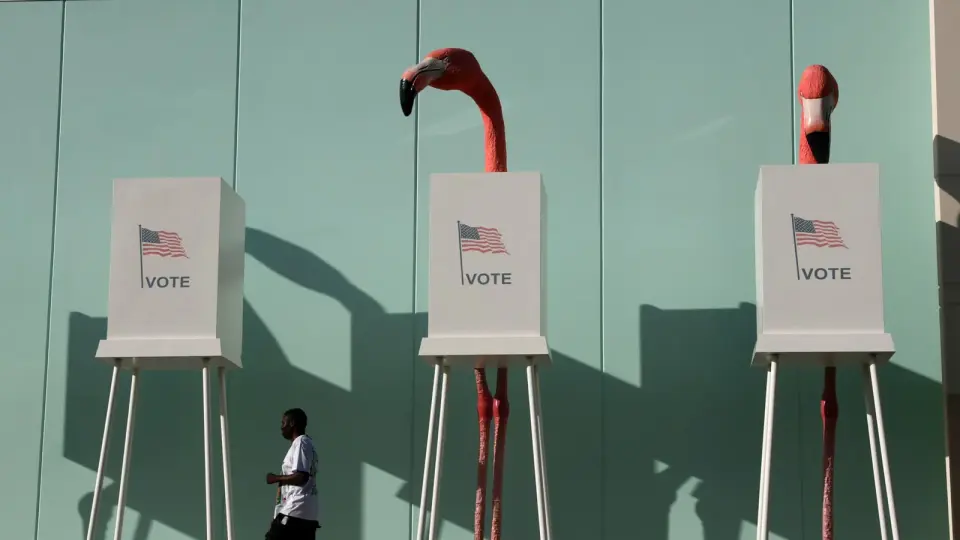
Wall Street anticipates a Democratic victory in the House and a potential Senate win in the upcoming midterms, driven by low presidential approval ratings. Analysts expect this shift to create legislative gridlock, blocking major spending bills but potentially easing concerns over Federal Reserve independence. The primary market risk now centers on a potential debt ceiling standoff, with the U.S. approaching its cash limit by mid-2027.
Key points
- Polls indicate Democrats are likely to take the House, with 96% of surveyed investors believing they will prevail, a margin of error that would be unprecedented for a Republican hold.
- A Democratic Senate is less certain, with 58% of investors favoring a flip, though some firms like Wolfe Research estimate the probability at 49%.
- A divided government is expected to block major Democratic spending proposals, including $5 trillion in deficit additions over the next decade, due to presidential veto power and filibuster rules.
- The debt ceiling remains the critical economic risk, with the Bipartisan Policy Center predicting the U.S. will reach its cash limit between late winter and mid-summer 2027.
- Democrats may use their House majority to demand concessions on healthcare and spending in exchange for raising the debt ceiling, potentially avoiding a default if Republicans do not act during the lame-duck session.
Background
This election cycle follows a period of strong market performance, including a record $90 billion in broker-dealer profits and an 11th bull market. Earlier in October, analysts noted that markets had already priced in the likelihood of congressional gridlock, viewing it as a stabilizing factor for equities. The current focus shifts from broad sector bets to specific risks regarding federal funding and debt limits, building on previous expectations that a divided government would limit policy shifts.
Why it matters
The outcome determines the legislative landscape for the remainder of the current presidential term. A Democratic Congress could trigger investigations into administration business dealings and influence Federal Reserve appointments, while a failure to raise the debt ceiling could lead to a historic default. Markets are currently favoring the gridlock scenario, as it prevents large-scale spending but avoids the economic shock of a debt default.
What to watch
Investors are monitoring the lame-duck session to see if Republicans raise the debt ceiling before January, which would reduce Democratic leverage on domestic spending. If no action is taken, negotiations will likely stall until the X-date in 2027. Additionally, Democrats are expected to launch committee investigations into companies that did business with the current administration, using subpoena power to scrutinize past deals.
- Wall Street braces for Democratic gains as 2026 midterm election nears CNBC
- Why the Markets Don’t Care About the Midterms The New York Times
- Why analysts say the US stock market may be on the cusp of a double-digit rally Business Insider
- COMMENTARY: Biggest market impact of US midterms may be 2028 countdown Reuters
- You can expect the stock market to rally no matter who wins on Election Day MarketWatch
Want the full story? Read the original reporting
Read on CNBC