
Record Fuel Costs Defy Trump Promises Ahead of US Midterms
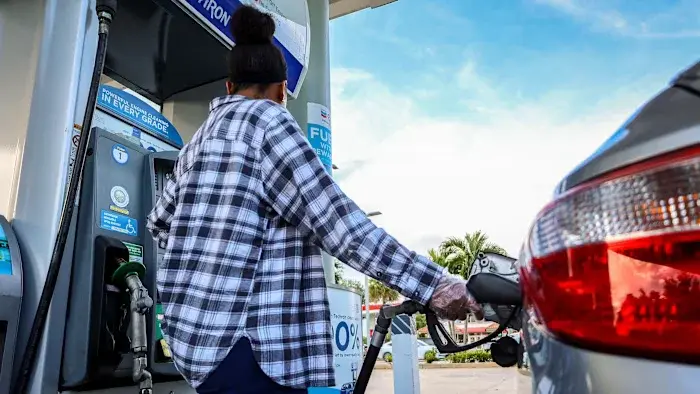
US gasoline and diesel prices are projected to reach record highs for an election day, contradicting President Trump’s 2024 pledge to cut fuel costs below $2 a gallon. The surge follows a joint US-Israel strike on Iran in February 2026, which triggered retaliatory attacks on shipping routes and oil infrastructure. With national average gas prices at $4.20 per gallon and diesel at $6.32, the administration has introduced an $8 billion farmer relief package and allowed off-road diesel use on highways, but analysts argue these measures are insufficient. Crude oil prices have risen sharply in October, raising fears of further inflation before the November 3 vote.
Key points
- GasBuddy predicts US fuel prices will hit the highest levels ever recorded on an election day, with gasoline averaging $4.20 per gallon, nearly 40% higher than the previous year.
- Diesel prices have surged 70% to $6.32 per gallon, severely impacting agriculture and transportation sectors, particularly in competitive swing states like Iowa.
- The price spike began after the US and Israel launched a joint attack on Iran on February 28, 2026, leading to Iranian retaliation against tankers in the Strait of Hormuz and Houthi strikes on Saudi refineries.
- President Trump dismissed the cost as a 'small price to pay' to prevent Iran from acquiring nuclear weapons, while the White House noted that inflation-adjusted prices were higher in previous election cycles.
- In response to political pressure, Trump issued an executive order permitting truckers to use tax-exempt off-road diesel and announced an $8 billion relief program for farmers, though he rejected a diesel export ban to avoid raising gasoline costs.
- Crude oil prices have increased by more than 13% for Brent and 15% for WTI in October, with markets pricing in potential post-election escalations in the Middle East.
Background
In September 2024, President Trump campaigned on a platform that promised to cut energy prices by half within his first year in office, specifically targeting gasoline costs below $2 per gallon. This promise was made in the context of high inflation and energy costs following the 2022 Russia-Ukraine conflict, which had previously driven gas prices to $3.80 per gallon during the 2022 midterms. The current situation marks a significant reversal of that trajectory, with fuel costs rising sharply due to geopolitical instability in the Middle East rather than the European conflict that dominated the previous cycle.
How outlets are covering it
CNBC and GasBuddy emphasize that the current price surge directly contradicts Trump’s campaign promises, with analysts noting that 2026 was predicted to be the cheapest year for gas since 2020 before the Iran conflict began. They highlight the political fallout, particularly in agricultural states like Iowa, where diesel costs are influencing competitive Senate races. Local reporting from 13WHAM-TV focuses on the human impact, with voters in New York stating that high fuel costs are shaping their voting decisions and daily financial management, though some express skepticism that any party has a viable plan to lower prices. The Financial Times headline suggests a broader narrative of record highs under Trump’s tenure, while The Telegraph source was inaccessible due to security blocks, preventing a comparison of its specific analysis. The White House defends the current costs as necessary for national security, contrasting them with inflation-adjusted historical data, a perspective rejected by critics who point to the absolute dollar increase.
Why it matters
The record fuel prices threaten to exacerbate inflation and erode public support for the administration ahead of the midterms. The high cost of diesel is particularly damaging to the agricultural sector, which is a key Republican base, potentially shifting the balance in competitive states. Furthermore, the inability to lower prices despite executive actions and international deals, such as the controversial agreement with Russia for diesel exports, suggests that geopolitical instability in the Middle East may continue to drive energy costs higher, impacting consumer spending and economic growth well beyond the election cycle.
What to watch
Markets are currently pricing in the risk of renewed military strikes on Iran after the election, which could further drive up crude oil prices. The administration has stated it will not resume strikes before the midterms, but the volatility in oil markets suggests that any escalation post-election could lead to a sharp increase in fuel costs. The effectiveness of the $8 billion farmer relief program and the off-road diesel executive order will be closely monitored to see if they provide meaningful relief or if prices continue to rise due to ongoing geopolitical tensions.
- Petrol prices set to hit record high under Trump on eve of US elections Financial Times
- Average price of gasoline during Trump's term now exceeds Biden's, as midterms loom Reuters
- Trump promised to slash energy costs — but gasoline, diesel and jet fuel all soared instead CNBC
- High gas prices weigh on local voters as Election Day nears, drivers say 13WHAM-TV
- The one-dollar price rise that would push Trump’s popularity to record low The Telegraph
Want the full story? Read the original reporting
Read on Financial Times