
UC Davis Lighting Study Links Amber Hues to Stress Reduction in Hospitals and Homes
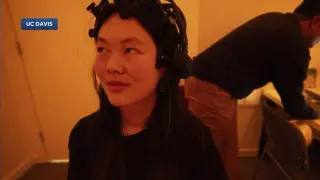
Researchers at the UC Davis California Lighting Technology Center are applying findings from stress-related lighting studies to improve environments in hospitals, autonomous vehicles, and homes. The initiative began when Toyota partnered with the center to test if interior lighting could lower stress levels in autonomous vehicle passengers. Experiments involved inducing stress in participants and then exposing them to various colors, including red, blue, green, white, and amber. Participants consistently reported feeling calmer under amber lighting, which researchers link to its resemblance to sunset signals that encourage the body to wind down. These insights are now being implemented in the new UC Davis California Tower hospital, where patient rooms will feature nighttime amber lighting to aid navigation and prevent falls, while nurse stations will offer tunable lights tailored to shift schedules. For day-shift nurses, bright white light promotes wakefulness, whereas night-shift workers can choose amber options to align with their circadian rhythms. Veronica Then, a digital communications specialist for the center, noted that these principles are easily applicable at home using tunable bulbs, recommending cool white light during the day for alertness and warm amber light at night to facilitate rest.