
Western Launch Crisis: Satellite Operators Face Severe Shortages as Falcon 9 Winds Down
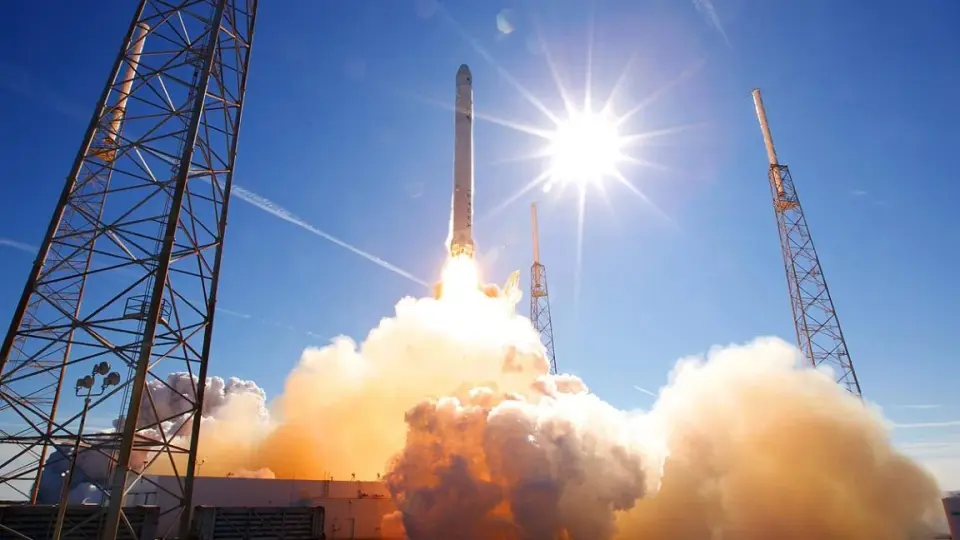
The Western launch market is facing a severe capacity crunch as SpaceX scales back Falcon 9 operations in favor of Starship, while competitors like Blue Origin and ULA struggle with delays. Satellite operators are scrambling to secure launch slots, with some facing production throttles and deployment delays. Experts warn the situation will worsen before new medium-lift vehicles arrive, potentially impacting national security and commercial constellations.
Key points
- SpaceX is reducing Falcon 9 launches, with commercial operations potentially ending after 2028, as it prioritizes Starship and its own Starlink payloads.
- Blue Origin's New Glenn rocket is offline after an April 2026 explosion, and ULA's Vulcan has suffered repeated failures, leaving few alternatives to Falcon 9.
- Satellite operators like AST SpaceMobile, Telesat, and Amazon LEO are facing deployment delays and production throttles due to limited launch availability.
- The Commercial Space Federation predicts demand for thousands of satellite launches annually within a decade, but supply is not keeping pace.
- Government officials and industry experts are calling for increased investment in launch infrastructure and diversification of launch providers to mitigate the crisis.
Background
This crisis follows a decade of rapid growth in launch frequency, driven largely by SpaceX's Falcon 9. The 2022 Russia-Ukraine war removed Russian rockets from the Western market, exacerbating the reliance on SpaceX. Previous attempts by competitors like Ariane 6, Vulcan, and New Glenn to fill the gap have been delayed or failed, leaving the market heavily dependent on a single provider.
How outlets are covering it
Ars Technica emphasizes the 'panic' among satellite operators and the structural dependency on SpaceX, highlighting the risk of a single point of failure. SpaceNews focuses on the commercial response, noting how companies are securing long-term launch deals and considering vertical integration to mitigate risks. National Defense Magazine frames the issue as a national security vulnerability, stressing the need for government intervention to diversify launch providers and improve infrastructure. All three sources agree that the current situation is unsustainable and will worsen before new vehicles come online.
Why it matters
The launch crisis threatens the deployment of critical satellite constellations for communications, Earth observation, and national security. It could delay the rollout of new services, impact defense capabilities, and create a bottleneck for the growing space economy. The reliance on a single provider also raises concerns about market stability and geopolitical leverage.
What to watch
Satellite operators are expected to continue securing long-term launch contracts and exploring alternative providers. The US government may increase investment in launch infrastructure and diversification efforts. New medium-lift vehicles like Stoke Space's Nova and Rocket Lab's Neutron are expected to debut in 2027, but scaling up will take time. The crisis is likely to intensify before improving in the 2030s.
- Satellite operators are in panic mode due to a worsening launch crisis Ars Technica
- Satellite operators emphasize launch deals in a constrained market spacenews.com
- Launch Called Major Vulnerability for Space Market National Defense Magazine
Want the full story? Read the original reporting
Read on Ars Technica