Tag

Satellite Constellations

All articles tagged with #satellite constellations

Orbital debris crisis intensifies as new cleanup missions and financial incentives seek to prevent Kessler syndrome
science-and-technology18 days ago

Orbital debris crisis intensifies as new cleanup missions and financial incentives seek to prevent Kessler syndrome

Earth’s orbit is increasingly crowded with millions of untracked debris fragments, raising the risk of cascading collisions known as Kessler syndrome. While SpaceX expands its Starlink constellation to over 11,000 satellites, researchers and governments are exploring active removal missions and financial deposit systems to mitigate long-term orbital hazards.
SpaceX Launches 19th Classified Space Force Mission, Igniting Debate Over Transparency

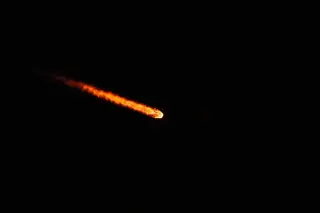
SpaceX Launches 19th Classified Space Force Mission, Igniting Debate Over Transparency

SpaceX launched the USSF-432 mission from Vandenberg on November 6, 2026, deploying a classified payload for the U.S. Space Force. This is the 19th such launch in 2026, with no public details provided regarding the satellites or program. While the booster landed successfully, officials have not confirmed deployment success, raising questions about the opacity of recent national security space activities.

SpaceX Starlink Fleet Surpasses 11,000 Satellites, Controlling Two-Thirds of Active Orbits
space3 months ago

SpaceX Starlink Fleet Surpasses 11,000 Satellites, Controlling Two-Thirds of Active Orbits

SpaceX’s Starlink constellation exceeded 11,000 satellites in orbit on August 19, 2026, representing roughly two-thirds of all active satellites globally. This milestone, achieved via the Starlink Group 17-50 launch, highlights the rapid concentration of low Earth orbit dominated by a single commercial network. While the exact count fluctuates due to reentries and new deployments, the structural dominance of Starlink is now undeniable, raising significant concerns for orbital traffic management and astronomical observations.

Western Launch Crisis: Satellite Operators Face Severe Shortages as Falcon 9 Winds Down
space-industry3 months ago

Western Launch Crisis: Satellite Operators Face Severe Shortages as Falcon 9 Winds Down

The Western launch market is facing a severe capacity crunch as SpaceX scales back Falcon 9 operations in favor of Starship, while competitors like Blue Origin and ULA struggle with delays. Satellite operators are scrambling to secure launch slots, with some facing production throttles and deployment delays. Experts warn the situation will worsen before new medium-lift vehicles arrive, potentially impacting national security and commercial constellations.

Orbital AI Data Centers Face Backlash Over Climate and Light Pollution Risks
space3 months ago

Orbital AI Data Centers Face Backlash Over Climate and Light Pollution Risks

SpaceX, Amazon, and Blue Origin have filed FCC applications for over one million orbital AI data centers, a move that could increase satellite launches by 100 times. While proponents argue this reduces terrestrial energy strain, scientists warn of severe atmospheric pollution from rocket propellants and reentry debris, as well as catastrophic light pollution that would create visible 'rings' around Earth.

ESA Chief Warns Europe Faces Critical Rocket Shortage by 2030 Amid Surging Satellite Demand
space-industry3 months ago

ESA Chief Warns Europe Faces Critical Rocket Shortage by 2030 Amid Surging Satellite Demand

The head of the European Space Agency (ESA) has warned that Europe will face a shortage of homegrown rocket launchers by 2030, as demand for satellite launches outpaces the region's current capabilities. While Europe regained sovereign access to space in 2024 with the Ariane 6 and Vega-C rockets, it launched only eight rockets last year compared to 170 by SpaceX. ESA is now seeking cost estimates to expand production capacity, aiming to increase Ariane 6 launches from nine to 15 annually to meet the peak demand expected between 2029 and 2031.

Space Force awards $615M to diversify airborne tracking beyond SpaceX
defense3 months ago

Space Force awards $615M to diversify airborne tracking beyond SpaceX

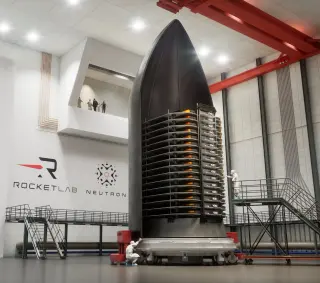
The U.S. Space Force has awarded a second task order totaling $615 million to three companies to develop alternative technologies for the Space-Based Airborne Moving Target Indicator (SB-AMTI) program. Rocket Lab received a $397 million contract to build and launch 'Flatellites' using its Neutron rocket, while Systems & Technology Research (STR) and an unnamed third firm received the remaining funds. These firm-fixed-price agreements aim to diversify the supplier base and test different sensing methods, complementing the initial $4.16 billion contract awarded to SpaceX. The program seeks to track aircraft and missiles from orbit, reducing reliance on vulnerable surveillance aircraft in contested areas.

Atacama's Dark Skies Under Threat as Light Pollution Creeps In
science6 months ago

Atacama's Dark Skies Under Threat as Light Pollution Creeps In

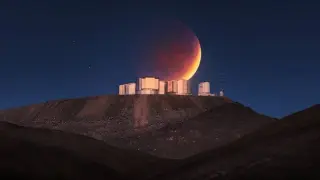
In Chile’s Atacama Desert, home to ESO’s Paranal Observatory, some of Earth’s darkest skies are increasingly affected by artificial light from nearby cities, mining and growing satellite traffic. A proposed nearby megaproject, Inna, could have raised light levels at the observatory by as much as 50% and introduced air turbulence, prompting scientists to push for tighter regulations beyond a 10% threshold. Although AES Andes canceled Inna in 2026, enforcement of light-pollution rules remains weak, and the International Astronomical Union’s 2025 guidelines call for lower limits and a possible secondary norm to empower government action to dim lights if needed. The issue underscores a global struggle: preserving dark skies is crucial for astronomy and our understanding of the universe, even as technology and industry encroach.

Rubin Observatory's cosmic census faces a satellite-streak crisis
space-exploration8 months ago

Rubin Observatory's cosmic census faces a satellite-streak crisis

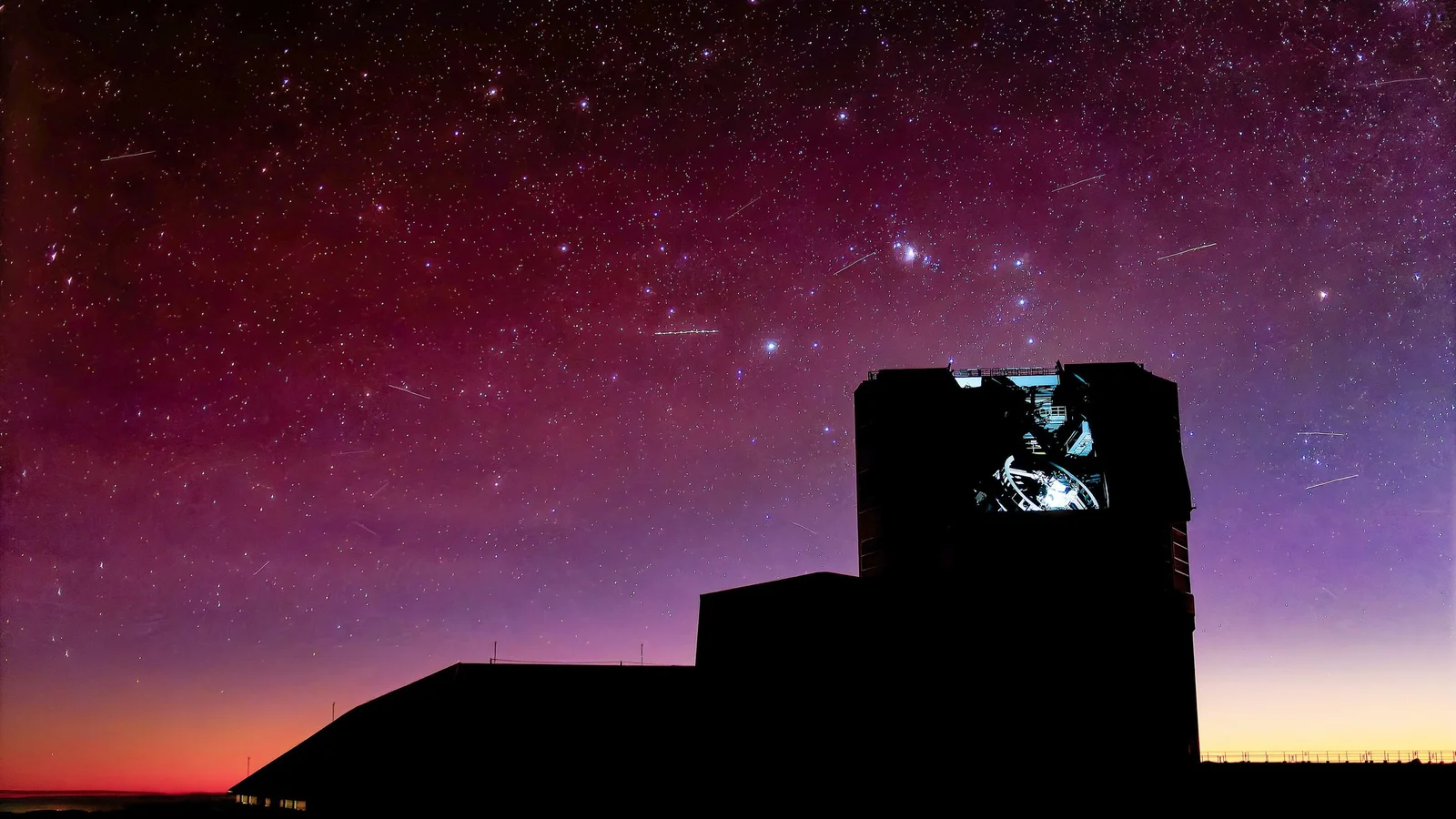
Space.com reports that the Vera C. Rubin Observatory, with its massive camera and LSST survey, could transform astronomy, but the rapid growth of satellite megaconstellations (led by Starlink) threatens to create bright streaks that contaminate data and complicate moving-object detections, potentially affecting a sizable share of exposures. Scientists are pushing for collaboration with operators to dim satellites, share streak maps, and develop analysis methods to separate satellites from real signals, underscoring the urgency as mega-constellations expand.

Concerns Mount Over Starlink's Impact on Space and Earth
science-and-technology2 years ago

Concerns Mount Over Starlink's Impact on Space and Earth

Elon Musk's Starlink satellites, while providing valuable internet services globally, are causing significant interference with astronomical observations, particularly in radio astronomy. Scientists express concerns that the increasing number of satellites, which could reach 100,000 by 2030, are obstructing views of the universe and complicating the detection of faint signals from distant celestial objects. Efforts are underway to mitigate these impacts, including collaboration between SpaceX and scientific organizations to develop solutions like shielding and signal avoidance techniques.

"Rising Space Junk Threat Sparks Global Alarm"
science-and-technology2 years ago

"Rising Space Junk Threat Sparks Global Alarm"

A Saskatchewan farmer discovered debris on his farm that likely came from a SpaceX Crew Dragon trunk, highlighting the growing issue of space junk. Astronomer Samantha Lawler confirmed the debris' origin and expressed concerns about the environmental impact of increasing satellite launches and reentries, which contribute to atmospheric pollution and light pollution. The incident underscores the need for better regulation and accountability in space activities.

"China's Ambitious 2024 Space Agenda: 100 Launches and Moon Mission"
space2 years ago

"China's Ambitious 2024 Space Agenda: 100 Launches and Moon Mission"

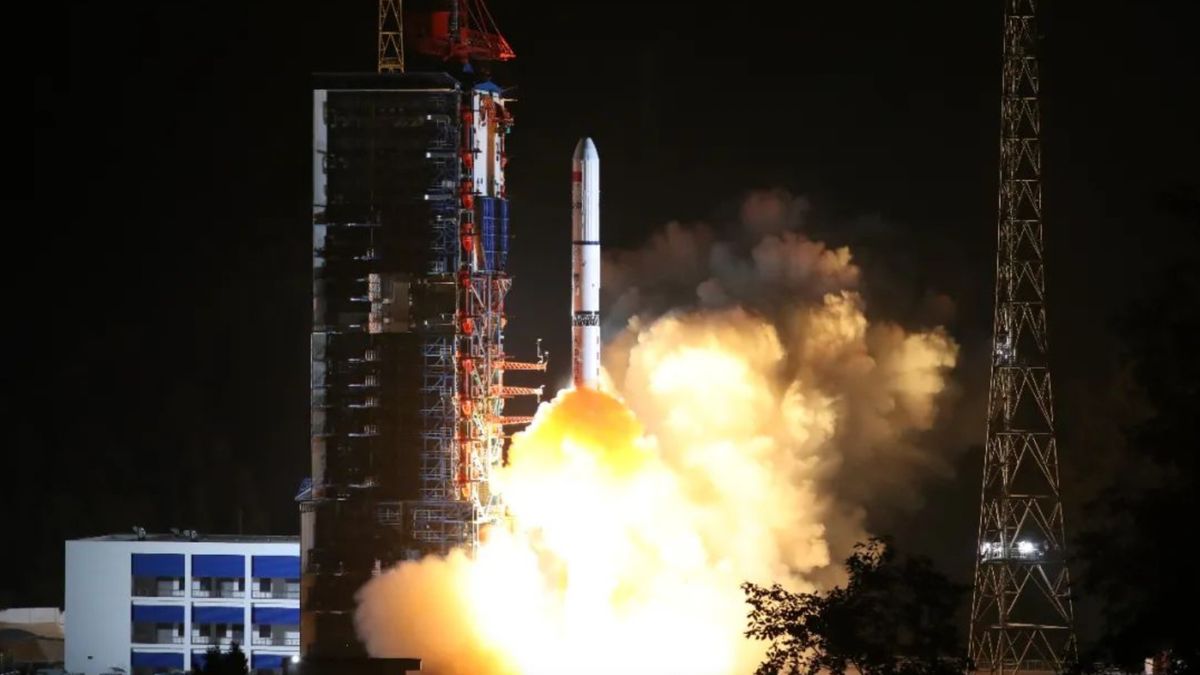
China plans to debut new Long March rockets in 2024, including the Long March 6C, Long March 12, and a modified version of the Long March 8, to enhance its options for space launches. These rockets will offer increased capacity for high-frequency launch missions and the ability to carry larger payloads to low Earth orbit or sun-synchronous orbit. Additionally, China is developing super heavy-lift rockets for large space infrastructure and crewed moon missions, with a goal of launching around 100 missions this year, including an ambitious lunar far side sample return mission.

"Risks of Satellite Megaconstellations on Earth's Environment"
space-science2 years ago

"Risks of Satellite Megaconstellations on Earth's Environment"

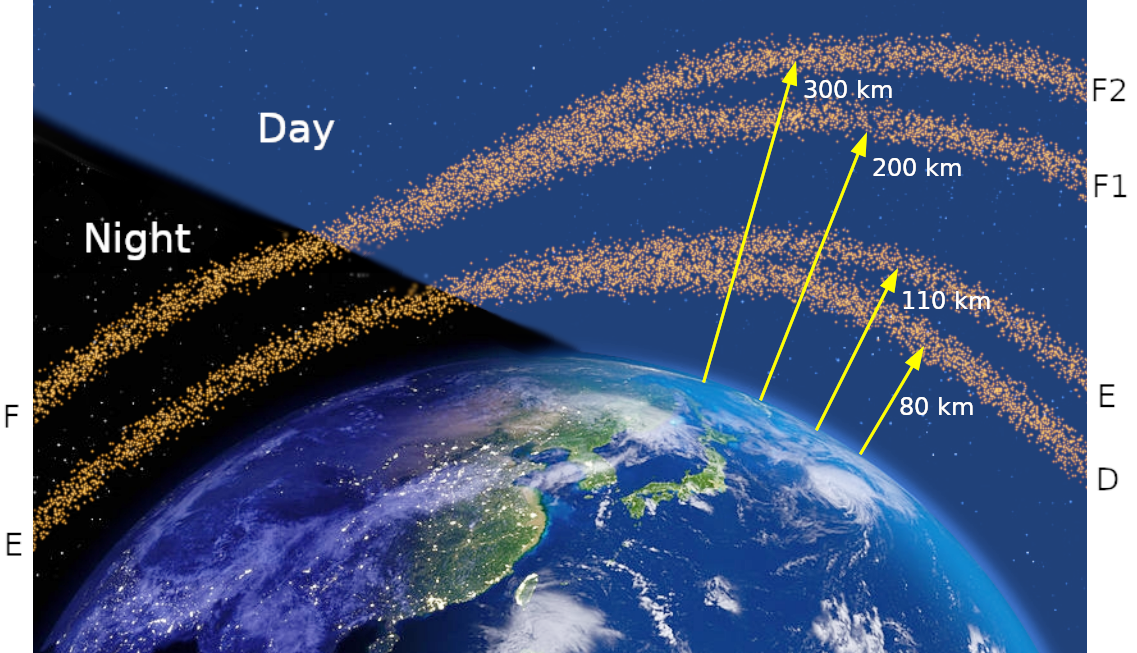
The increasing number of rocket stages and satellites burning up in the Earth's atmosphere is leaving behind metal aerosols that could potentially affect the Earth's magnetic field. Research suggests that these aerosols, originating from space objects, may increase the Debye length of the ionosphere, but the exact effects are still unknown. With the growing number of objects being launched into space, including satellite constellations like Starlink, the potential impact on the stratosphere and ionosphere warrants further research to understand and mitigate any potential consequences.

"Pentagon's $2.5 Billion Contracts for Missile-Tracking Satellites Awarded to L3Harris, Lockheed, and Sierra Space"
space-technology2 years ago

"Pentagon's $2.5 Billion Contracts for Missile-Tracking Satellites Awarded to L3Harris, Lockheed, and Sierra Space"

The Space Development Agency has awarded contracts worth $2.5 billion to L3Harris, Lockheed Martin, and Sierra Space to build and operate 54 satellites equipped with infrared sensors for tracking hypersonic missiles in low orbit. The satellites are part of the Tranche 2 Tracking Layer and are projected to launch in 2027. The contracts include incentives for on-time delivery, and the procurement is contingent on Congress passing a 2024 defense budget.