space-industry6 min read
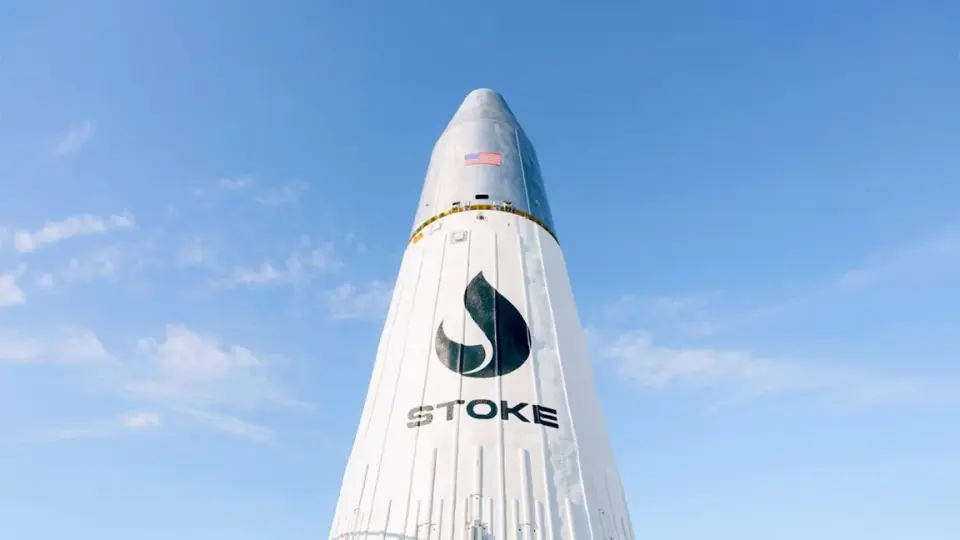
Stoke Space Secures $1B to Accelerate Nova Rocket and Larger Block 2 Variant
2 months ago•Source: Ars Technica
View original source
The latest space industry stories, each synthesized from multiple sources with added background and context.
On August 18, 2026, ESA astronaut Sophie Adenot and NASA astronaut Anil Menon completed a six-hour, 23-minute spacewalk, making Adenot the first French woman to walk in space. While they successfully removed a failed Space-to-Ground antenna from the station’s Z1 truss, they ran out of time to install the replacement unit. The delay was caused by unexpected resistance when disconnecting electrical cables and loosening bolts. Mission controllers opted to secure the failed unit in place rather than risk overtime, leaving the installation for a future spacewalk currently scheduled for August 25.
SpaceNews•3 months ago
SpaceNews•3 months ago
The head of the European Space Agency (ESA) has warned that Europe will face a shortage of homegrown rocket launchers by 2030, as demand for satellite launches outpaces the region's current capabilities. While Europe regained sovereign access to space in 2024 with the Ariane 6 and Vega-C rockets, it launched only eight rockets last year compared to 170 by SpaceX. ESA is now seeking cost estimates to expand production capacity, aiming to increase Ariane 6 launches from nine to 15 annually to meet the peak demand expected between 2029 and 2031.
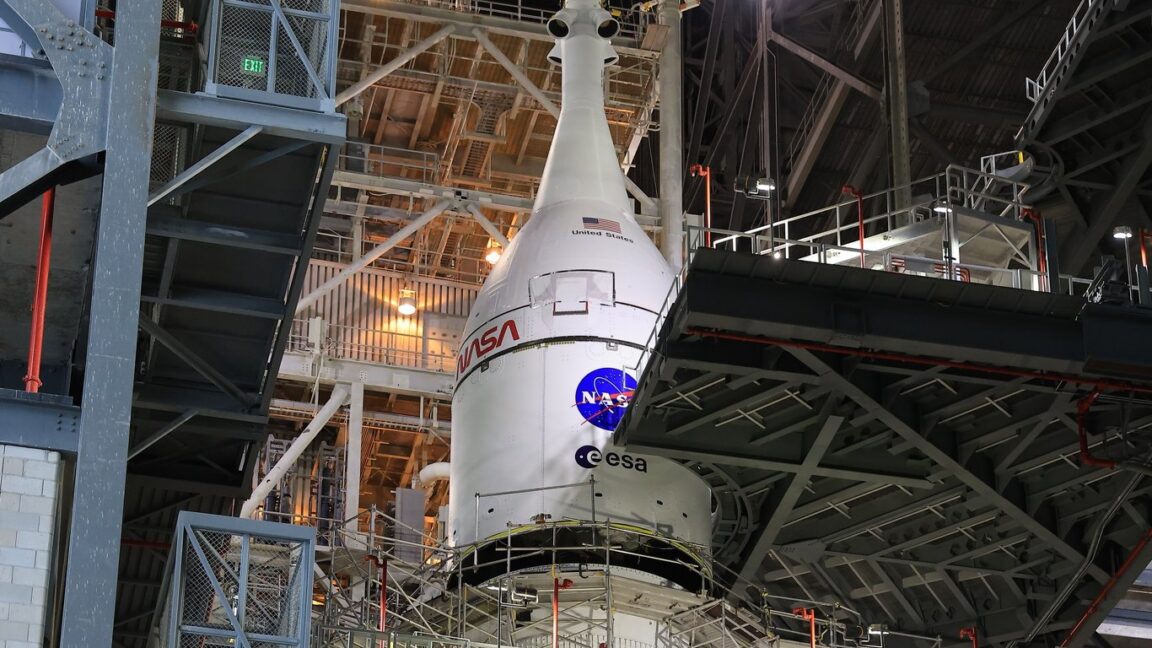
The article covers recent developments in space launch technology, including SpaceX's record-breaking Falcon 9 reuse, China's Falcon 9 lookalike test, NASA's Artemis II spacecraft stacking, and advancements in space-based missile interceptors by US companies, alongside new launches and investments in space technology.
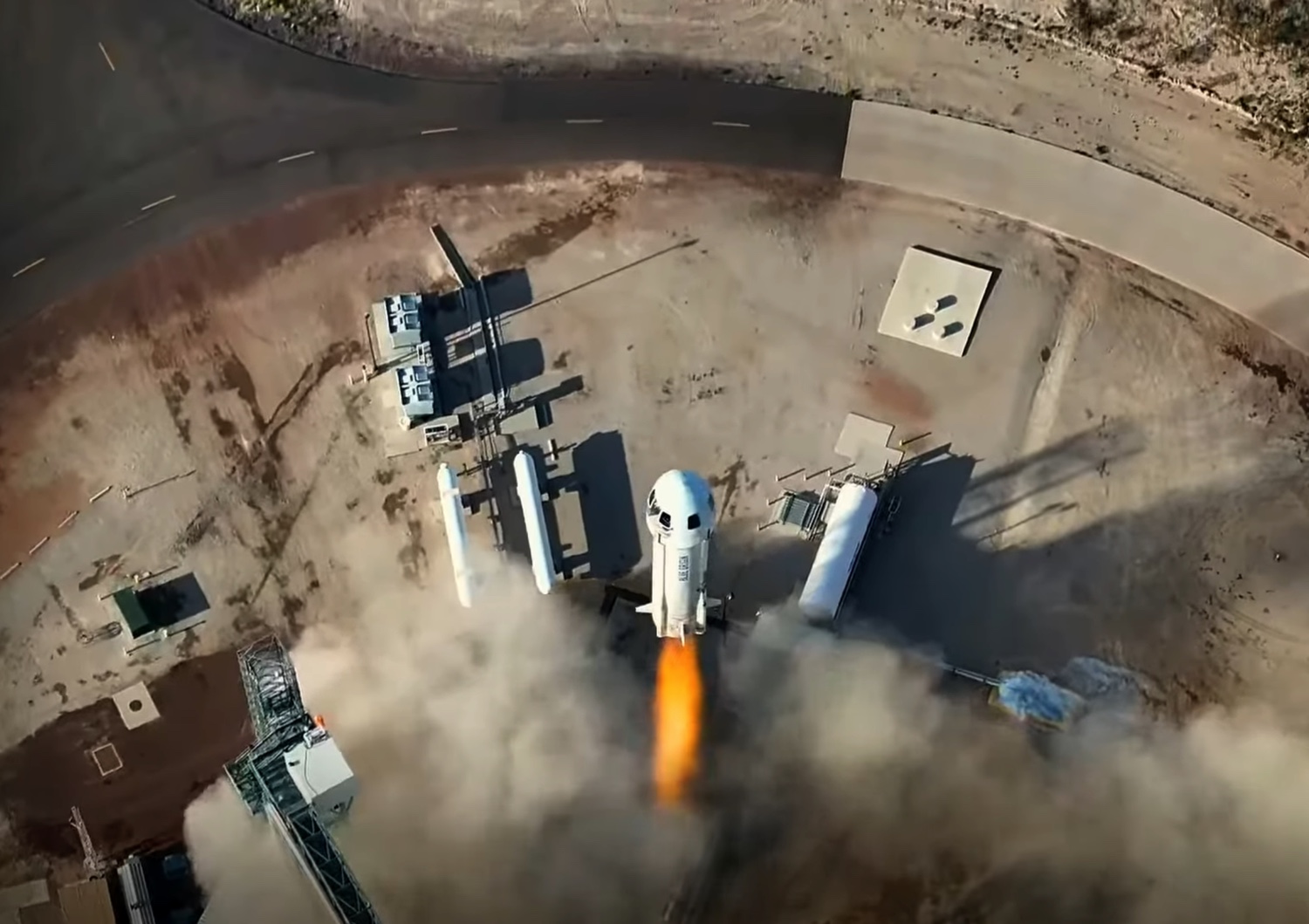
Blue Origin plans to increase the launch frequency of its New Shepard suborbital vehicle to weekly within the next few years, driven by strong customer demand, and is considering new international spaceports to support this growth, including upgrades to its vehicles and engines.
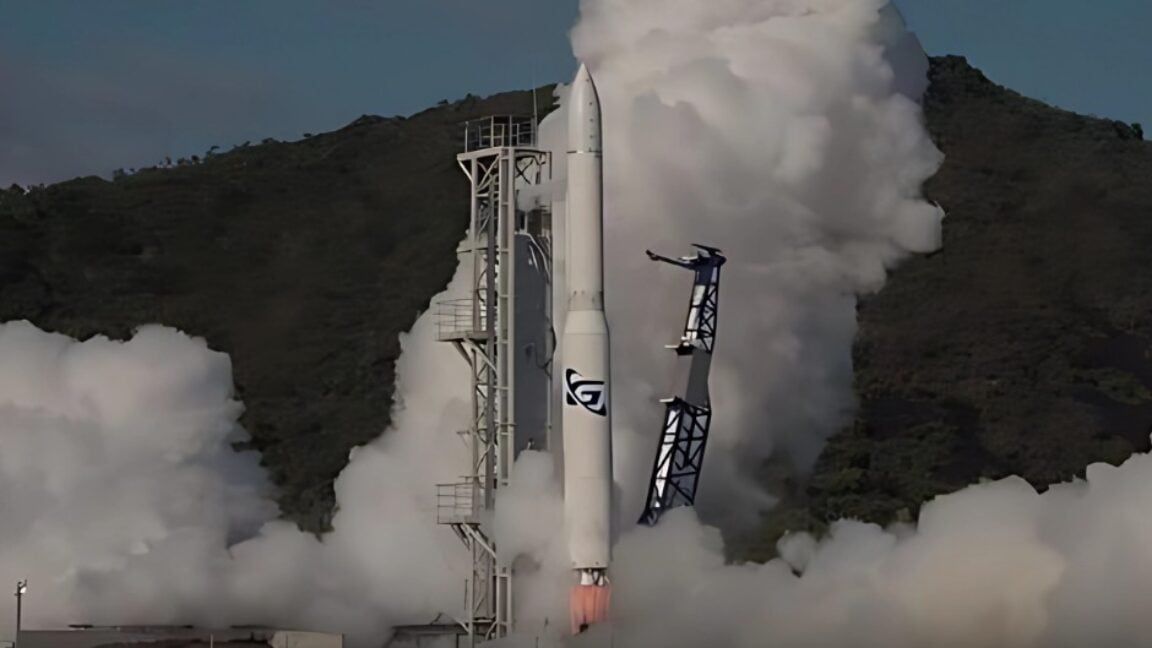
NASA is advancing in cryogenic propellant management for space depots, while Australia faces a setback with its Eris rocket's engine failure. Firefly plans a significant IPO to fund lunar and satellite projects. The U.S. Air Force tests a new ICBM, and SpaceX's Bahamas landing deal faces scrutiny after debris issues. Additionally, India successfully launches a NASA satellite, and the Smithsonian showcases spaceflight artifacts. Critics call for ending NASA's SLS program in favor of reusable spacecraft, highlighting ongoing developments and challenges in space exploration.
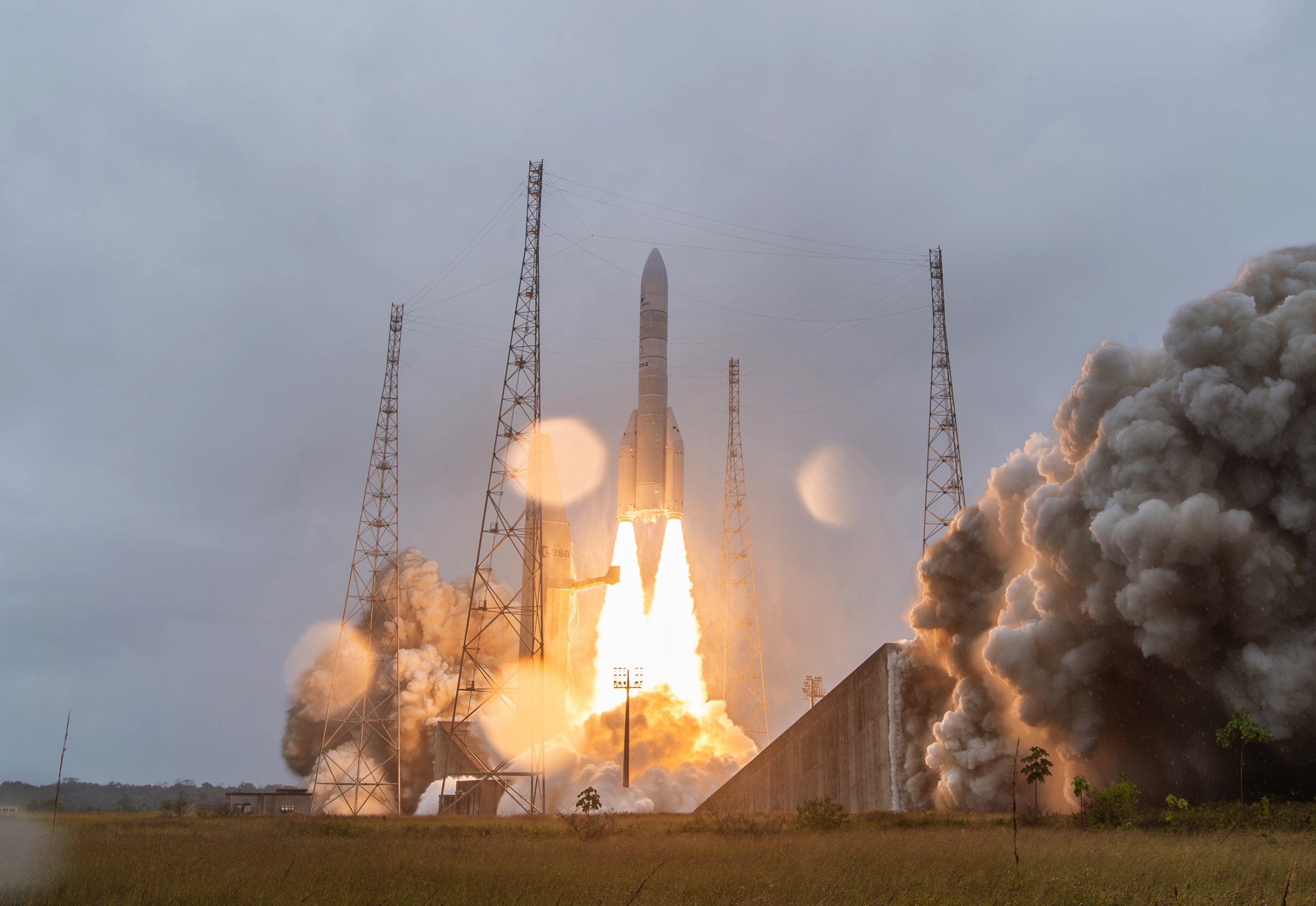
Arianespace aims to increase Ariane 6 launches to 10 per year, but it may take several years to reach this goal due to industrial and logistical challenges, with a focus on upcoming launches for projects like IRIS² and Amazon's Kuiper constellation.
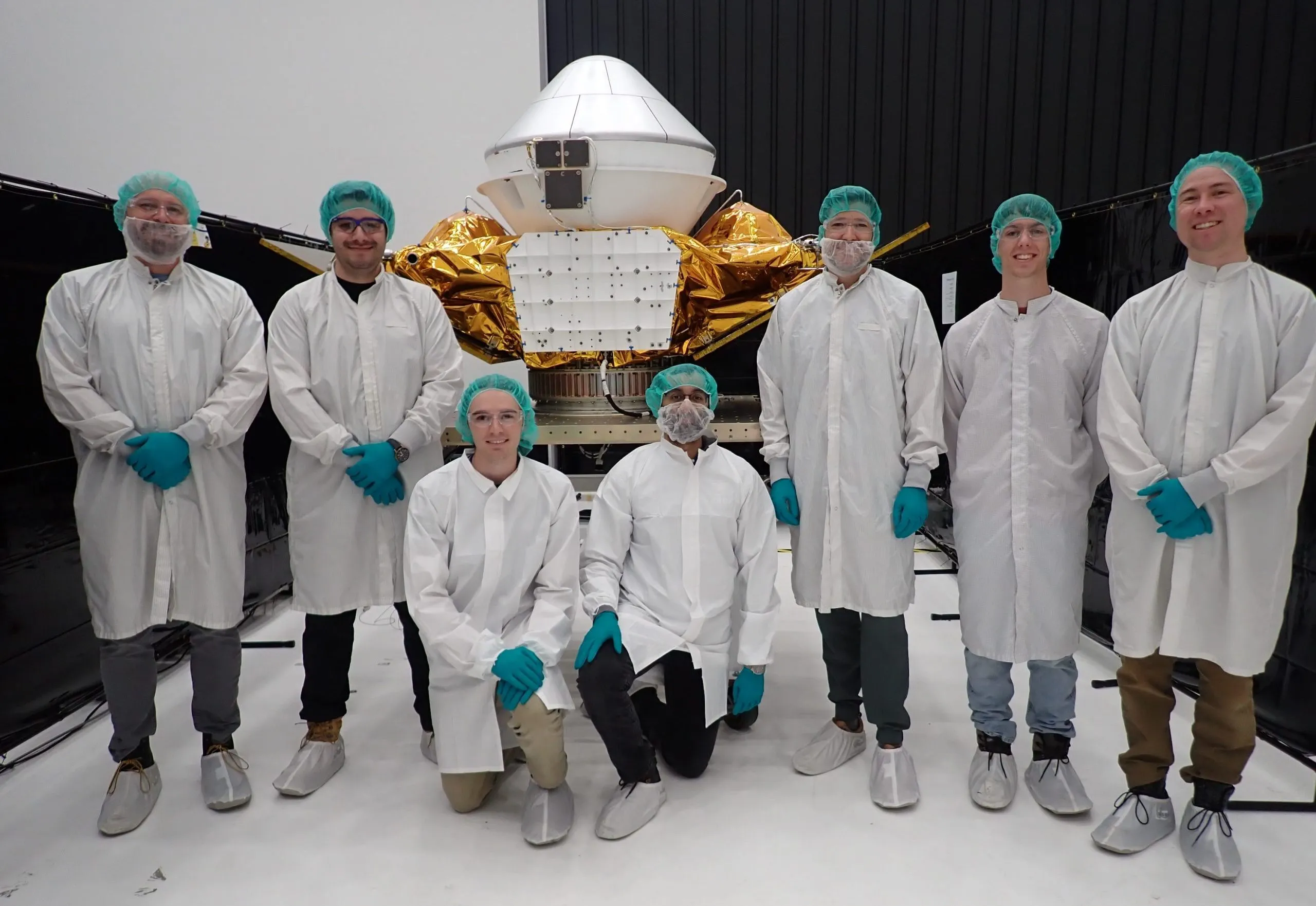
Varda Space Industries is launching its first in-house built spacecraft, W-4, on a SpaceX rideshare mission, featuring a fully domestically produced heat shield and a new spacecraft bus design to enable high-frequency reentries and microgravity manufacturing experiments, supported by a five-year FAA reentry license for unlimited landings in Australia, as part of its plan to expand space-based pharmaceutical and research operations.
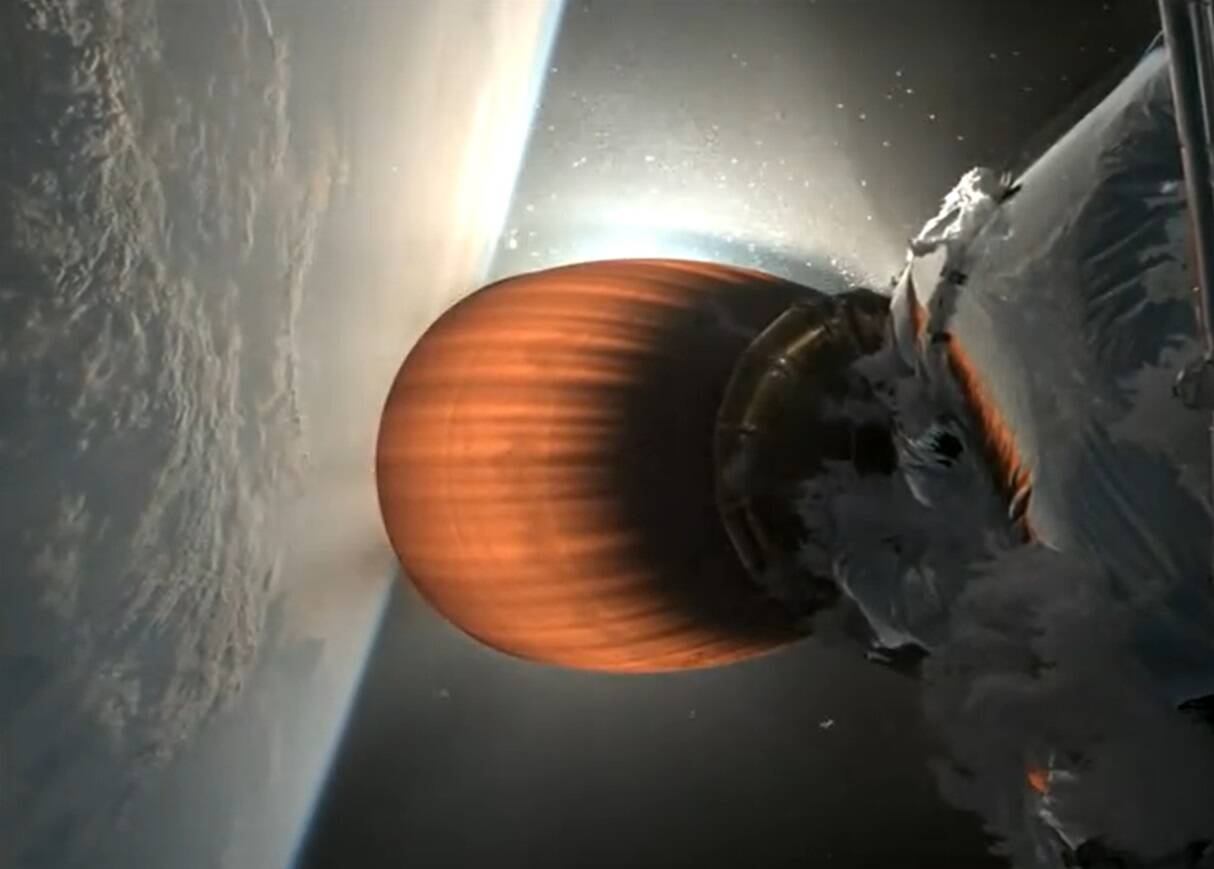
SpaceX's recent Falcon 9 launch experienced a second-stage anomaly, resulting in the loss of 20 Starlink satellites. The incident, involving a liquid oxygen leak and engine failure, has prompted a full investigation in coordination with the FAA. This setback could have significant implications for the space industry, which heavily relies on SpaceX for launches, especially given the limited alternatives. The next crewed mission, Polaris Dawn, is delayed until SpaceX resolves the issue.

Boeing's Starliner spacecraft has faced numerous technical issues during its missions to the International Space Station, contrasting sharply with SpaceX's successful Crew Dragon missions. Despite receiving more funding initially, Boeing's repeated malfunctions have damaged its reputation and raised concerns about its future in the human-rated space race. With the ISS set to retire in 2030, Boeing must quickly resolve these issues to fulfill its contract and remain relevant in space exploration.
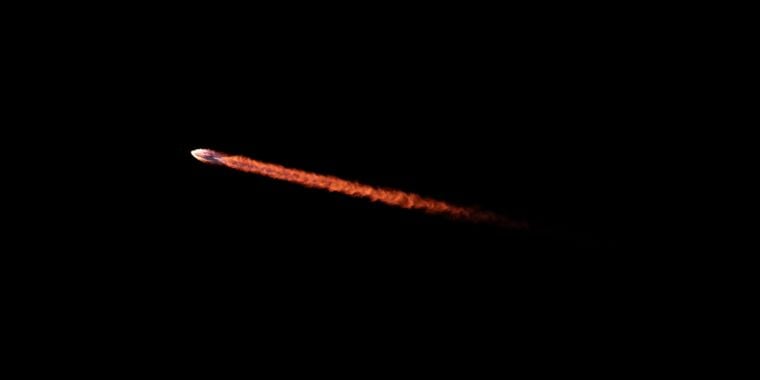
Firefly Aerospace is potentially up for sale, with investors considering a valuation of around $1.5 billion. Blue Origin successfully returned to flight with its New Shepard spacecraft, carrying 90-year-old Ed Dwight, despite a parachute issue. German startup Rocket Factory Augsburg successfully tested the first stage of its RFA One rocket. China is expanding its commercial spaceport to support increased launch activity and the development of large satellite constellations.
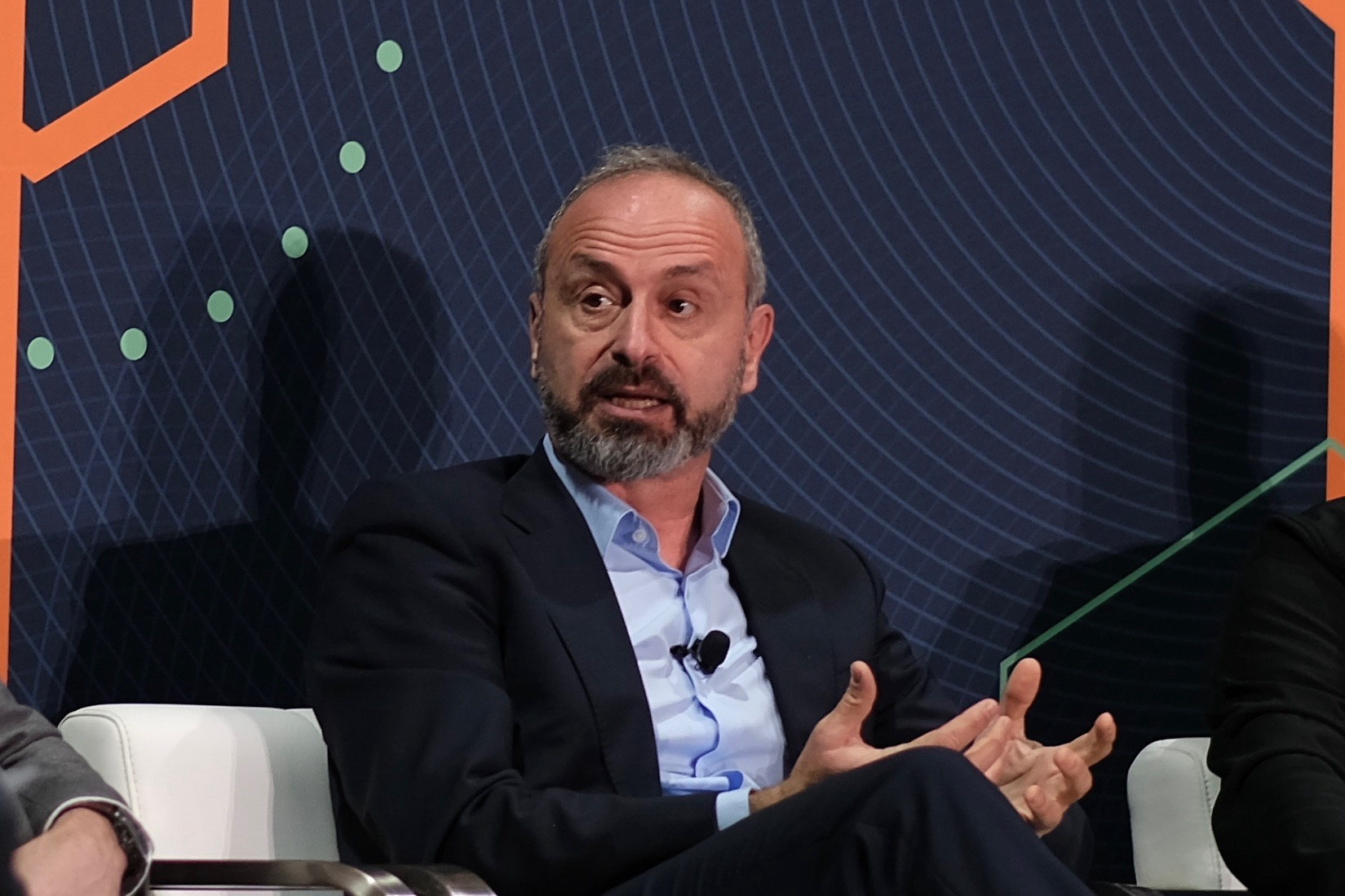
The emergence of SpaceX’s Starship vehicle, designed for heavy payloads, is expected to disrupt the small launch vehicle market by potentially lowering prices and encouraging the development of larger satellites. While some believe Starship's capacity and pricing could overshadow small launch vehicles, others argue that the industry will continue to see demand for smaller satellites and should focus on stimulating the market. The debate mirrors existing discussions about SpaceX's impact on the smallsat market through its Transporter and Bandwagon rideshare missions, with some companies expressing concerns about competing with SpaceX's pricing strategies.