
SpaceX delays Starship’s first orbital launch to September 28
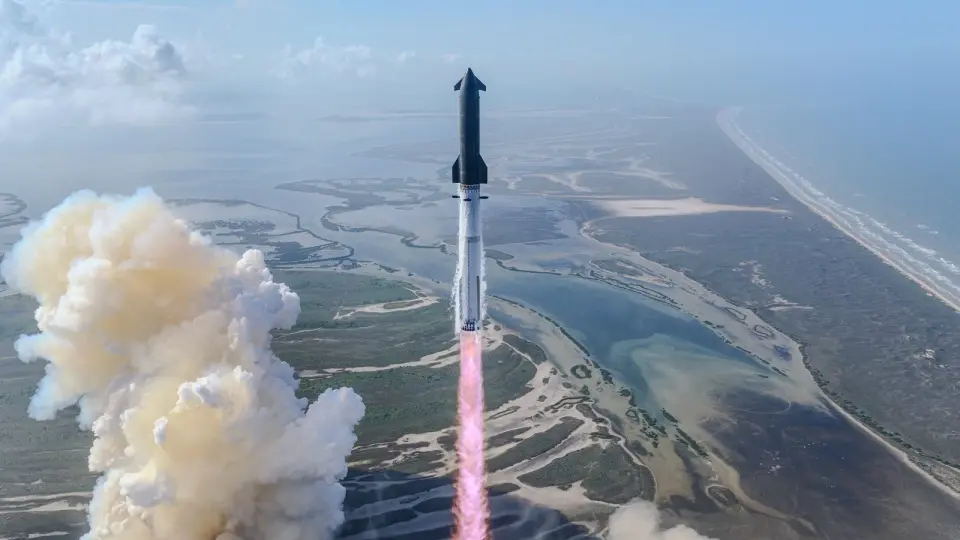
SpaceX has postponed the launch of Starship Flight 14 from September 22 to September 28. This six-day delay pushes back the vehicle’s first attempt to reach Earth orbit. The mission, launching from Starbase in Texas, aims to deploy 26 Starlink V3 satellites and test heat shield upgrades. While SpaceX did not provide a specific reason for the slip, the delay follows recent technical issues with the Super Heavy booster’s engine relight during the previous suborbital test. The flight remains pending regulatory approval, with a 75-minute launch window opening at 8:15 a.m. EDT.
Key points
- SpaceX moved the target date for Starship Flight 14 from September 22 to September 28, a six-day delay.
- The company did not provide a specific explanation for the postponement, though the launch remains pending regulatory approval.
- Flight 14 is the first attempt to send the Starship vehicle into orbit, following 13 previous suborbital test flights.
- The mission will deploy 26 Starlink V3 satellites into an orbit approximately 275 km above Earth.
- The upper stage is planned to complete six orbits over roughly 10 hours before reentry.
- The Super Heavy booster will attempt a controlled splashdown in the Gulf of Mexico rather than a tower catch.
Background
SpaceX had previously targeted late August for its first orbital flight, later setting September 22 as the specific date in mid-September. The company has been iterating on the Starship vehicle since its debut in April 2023, with the last two flights in 2026 being suborbital. The July 24 test saw the booster experience engine clogging during the boostback burn, leading to a hard splashdown. These recent challenges prompted the hardware and software updates now being tested in Flight 14. The successful orbital flight is a critical step toward SpaceX’s goal of a fully reusable super heavy-lift rocket and expanded Starlink deployment.
How outlets are covering it
Space.com reported the delay without providing a reason, noting the new date is September 28. Ars Technica provided earlier details on the September 22 target and the technical upgrades being tested, including the Gulf of Mexico landing for the booster. Yahoo Finance noted a positive market reaction to the upcoming launch, though its content was largely technical error data. The primary source and Ars Technica agree on the mission parameters, such as the 26 Starlink V3 satellites and the 10-hour orbital duration, but differ on the specific launch date due to the recent delay announcement.
Why it matters
This launch is a pivotal milestone for SpaceX, marking the transition from suborbital testing to orbital capability. Success would validate the vehicle’s ability to carry payloads to orbit and test critical heat shield and reentry systems. It also signals progress toward the company’s long-term goals of lunar and Mars missions, as well as the expansion of its Starlink satellite network. The delay highlights the ongoing technical challenges in developing a fully reusable super heavy-lift rocket, but the continued progress suggests SpaceX is on track for its ambitious flight cadence.
What to watch
SpaceX will attempt to launch Starship Flight 14 on September 28, pending regulatory approval. The launch window opens at 8:15 a.m. EDT. If successful, the upper stage will complete six orbits before reentry, while the booster will splash down in the Gulf of Mexico. Future flights may attempt to catch the booster at the launch site, and the company plans to reuse two heat shield tiles from the previous flight on Ship 41. Continued success could lead to in-orbit refueling tests and increased Starlink deployment.
- SpaceX pushes next Starship launch back to Sept. 28, a 6-day delay for megarocket's 1st orbital flight Space
- Starship Flight 14 SpaceX
- SpaceX stock pops ahead of Starship launch Yahoo Finance
- SpaceX declares Starship ready for orbit, sets launch date next week Ars Technica
- SpaceX will try to put Starship in orbit for the first time on September 28 TechCrunch
Want the full story? Read the original reporting
Read on Space