Google has pushed the Gemini 3.5 Pro rollout from June to July to incorporate real-world feedback from early testers and refine long-horizon tasks and agent-powered capabilities, as competition with OpenAI and Anthropic heats up; some users have had early access on Antigravity and LMArena, and 3.5 Pro builds on lessons from Flash 3.5.
Reports of a major delay to the iPhone Ultra’s launch are denied by a leaker with a solid track record, who says the timing remains a September debut alongside the iPhone 18 Pro, with availability possibly in October. While Barclays suggested December and Nikkei Asia floated a potential early-2027 delay due to engineering issues and Bloomberg mentioned a slight delay, the leaker argues any postponement would be at most about a month, not a long postponement.
Rumors suggest Apple will skip the vanilla iPhone 18 launch in 2026 and instead release it in spring 2027, while the iPhone 18 Pro, Pro Max, and foldable Ultra are expected to launch this year; the shift is attributed to manufacturing/supply-chain considerations, with the base model likely receiving only modest upgrades if released.
Industry sources say Apple’s first foldable iPhone, the iPhone Fold/Ultra, has been pushed to early next year as supply-chain chatter points to postponements; Apple may still tease the device at the September iPhone 18 event, with a full launch potentially later. The plan includes a two-part iPhone reveal (Pro/Max/Ultra this fall, vanilla 18, 18e and next Air in spring 2027), while analysts still peg first-year shipments around 11 million units.
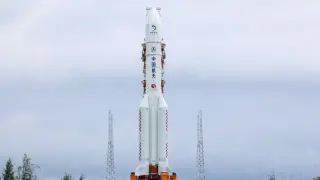
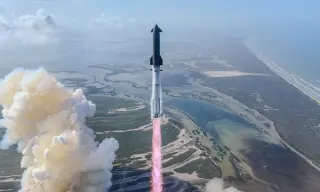
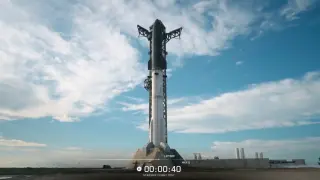
SpaceX scrubbed Starship Flight 12 (the v3 upgrade) moments before liftoff after a hydraulic pin on the Mechazilla tower failed to retract, triggering an overnight fix and a planned retry the following night. The v3 stack brings increased propellant capacity, a more powerful Raptor 3 engine, larger grid fins, improved heat shielding, and a refined fuel-transfer system to raise payload performance and enable higher flight rates toward missions such as Starlink deployments, NASA Artemis landings, and future crewed Mars flights. The page also includes related SpaceX and Tesla updates, including an IPO filing and FSD refinements.
SpaceX’s Starship V3 debut from Starbase was scrubbed 40 seconds before liftoff due to a hydraulic pin failing to retract on the launch tower’s umbilical arm; a retry could come Friday evening within a 90‑minute window. The V3 upgrade adds more engines and major design changes aimed at faster reuse, and the flight would test the new configuration and deploy mock Starlink satellites, with SpaceX not planning to recover either stage on this flight.
A supply-chain leak claims Apple’s foldable iPhone Ultra (aka Fold) has a crease-free display but hinges fail durability tests, potentially delaying trial production indefinitely. If Apple resolves the hinge issues on time, the device could debut with the iPhone 18 Pro in September (with a 2nm A20 Pro and Apple Intelligence); otherwise, the launch could slip to 2027.
Apple will stagger the iPhone 18 rollout, delaying the base model and launching Pro versions first in late 2026 with the base models arriving in spring 2027. The move aims to extend iPhone 17’s sales window, ease production pressures, and bolster competitiveness in price-sensitive markets like China, while pushing incremental upgrades and shared components with the iPhone 18e. In effect, Apple seeks higher margins and a longer product lifecycle, benefiting consumers through potential cost savings, steadier quality, and a smaller environmental footprint as the company focuses on manufacturing efficiency and clear tier differentiation.
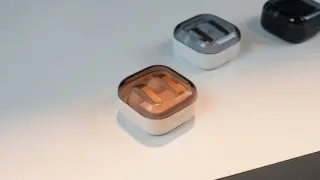
Samsung's next wireless earbuds, reportedly called Galaxy Buds Able, appeared in One UI 9 firmware showing a clip-on hook design with a microphone grille; though sources say the product is real, the earbuds have been delayed multiple times and are not expected to debut at the July 2026 Galaxy Unpacked, with some speculation they could employ bone-conduction tech similar to rival clip-ons.
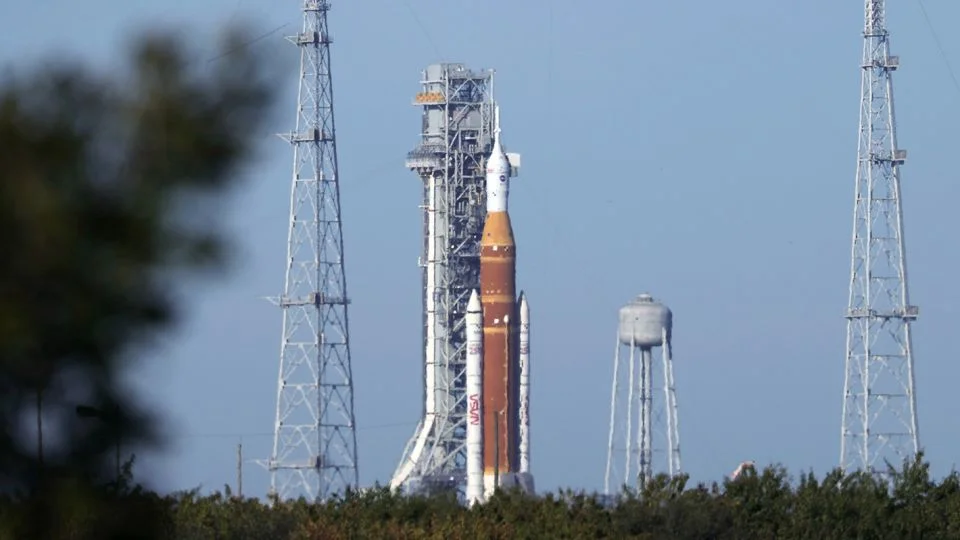
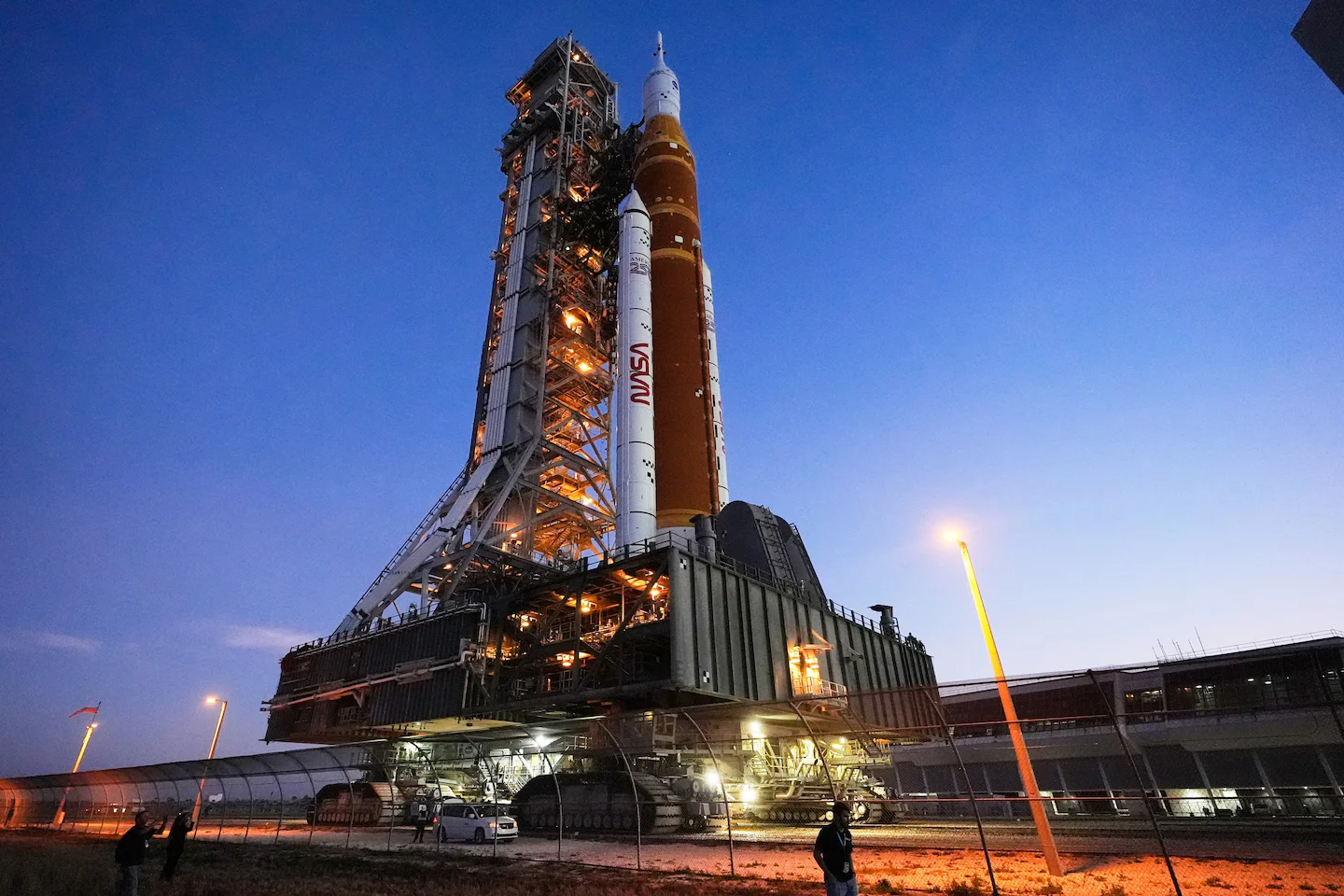
NASA’s Artemis II crewed lunar mission hit a new snag after engineers detected a helium flow problem in the upper stage of the Space Launch System, forcing the rocket to roll back from the launchpad to the Vehicle Assembly Building. The setback likely ends any March launch plans and sets no-earlier-than April as the earliest window, with potential dates in May or June under consideration depending on data, repairs, and any further testing. The mission would carry four astronauts—Reid Wiseman, Victor Glover, Christina Koch, and Canadian Jeremy Hansen—on a roughly 10-day lunar flyby, a first for humans in deep space since Apollo. Officials are still diagnosing the helium issue, weighing possible causes (e.g., a faulty filter, valve, or quick-disconnect) and whether another wet dress rehearsal will be required before a new launch date can be set.
NASA has pushed Artemis II to April at the earliest after the 322‑foot SLS rocket was rolled back from Launch Pad 39B to the Vehicle Assembly Building to address a helium‑pressurization problem identified during prelaunch tests. The four astronauts—Reid Wiseman, Victor Glover, Christina Koch and Canada’s Jeremy Hansen—are in quarantine as technicians inspect the vehicle, replace batteries, and complete additional dress rehearsals ahead of a roughly 10‑day lunar flyby, a mission seen as a crucial stepping stone to a future crewed lunar landing by 2028 with an estimated per‑launch cost around $4.1 billion.
NASA has rolled back the Artemis II rocket to the Vehicle Assembly Building after a helium-flow problem in the upper stage of the Space Launch System, delaying a March liftoff. Engineers are investigating the cause while officials consider potential April launch windows, with further testing likely. When/if it launches, Artemis II will carry four astronauts on a 10-day lunar flyby, marking the first deep-space mission since Apollo ended in 1972.
NASA plans to roll the Artemis II SLS rocket and Orion back from the Kennedy Space Center launch pad to the Vehicle Assembly Building to repair a helium‑flow issue that halted recent tests, delaying the first crewed lunar mission and threatening the April launch window while engineers diagnose the root cause.
NASA says Artemis II's early-March launch window will almost certainly be delayed after engineers detected an interruption in helium flow during final launch checks; the crewed 10-day lunar flyby for four astronauts—Reid Wiseman, Victor Glover, Christina Koch and Canadian astronaut Jeremy Hansen—will proceed only after the issue is resolved, as Artemis II helps pave the way for Artemis III and a targeted 2028 lunar landing.
NASA’s Artemis II crewed lunar mission is pushed to March after a fueling test uncovered recurring hydrogen leaks at the rocket’s ground connections, halting the countdown and prompting a data review and a second Wet Dress Rehearsal. The earliest launch window is March 6, with the four astronauts in quarantine as NASA prioritizes safety before the first crewed lunar flight since 1972.