
SpaceX Sets Nov. 13 for Historic Dual-Catch Starship Flight 15
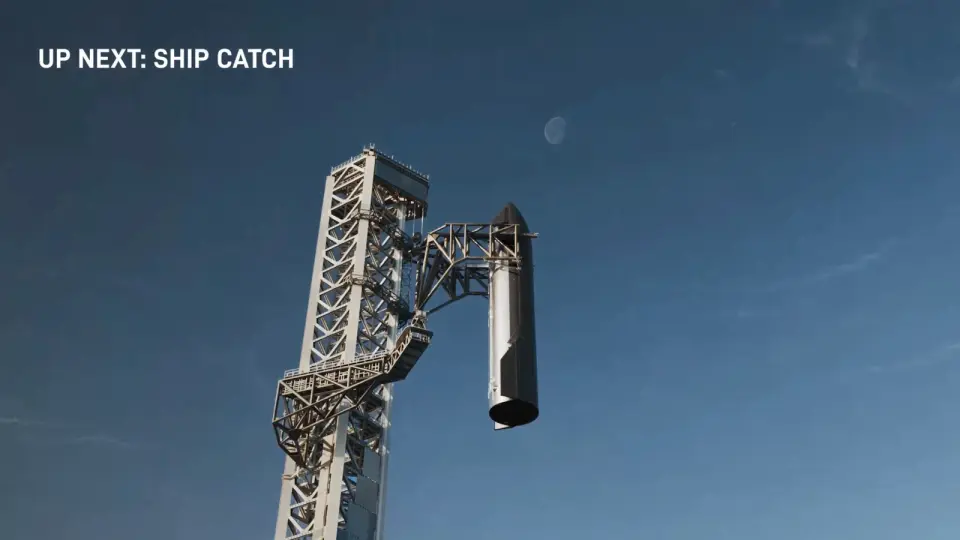
SpaceX has officially scheduled its 15th Starship test flight for November 13, 2026, at 5:45 p.m. EDT. The mission aims to achieve the first full recovery of an orbital launch system by catching both the Super Heavy booster and the Starship upper stage at the launch site. Super Heavy Booster 22 has already been moved to the pad for stacking. If successful, this would mark a major step toward rapid reusability for future lunar and Mars missions.
Key points
- Launch window opens at 4:45 p.m. EDT on Nov. 13, with backup dates through Nov. 19.
- Super Heavy Booster 22, the first V3 booster intended for catch, was moved to the pad on Nov. 10.
- The upper stage, Starship S42, is planned to complete approximately 14 orbits over 22 hours.
- The booster will attempt a 'boost-back burn' to return to the launch site for capture by the 480-foot tower's mechanical arms.
- The upper stage will attempt a return and catch on Saturday, Nov. 14, contingent on system health checks.
- The flight includes the deployment of 26 next-generation Starlink satellites.
Background
This flight follows a series of incremental milestones in the Starship program. In October 2024, SpaceX successfully caught the Super Heavy booster for the first time using mechanical arms. Subsequent flights in 2025 and 2026 focused on orbital insertion and ocean landings, with the July 2026 flight achieving an intact ocean landing for the upper stage. The September 2026 flight reached orbit but ended early due to engine issues. Flight 15 represents the culmination of these tests, attempting to combine orbital flight with full recovery of both stages. Previous archive notes indicate SpaceX has been expanding its launch infrastructure, including preparations at Kennedy Space Center, to support increased launch frequency.
How outlets are covering it
Space.com emphasizes the historic nature of the flight as the first full recovery of an orbital rocket, highlighting the movement of Booster 22 to the pad as a key pre-launch step. MyRGV.com provides detailed operational specifics, noting the 22-hour flight duration, 14 orbits, and the conditional nature of the upper stage catch, which depends on flight control team assessments of system health. USA Today frames the flight within the broader context of SpaceX's history, noting previous failures and successes, and underscores the importance of reusability for future human missions to the Moon and Mars. All sources agree on the November 13 date and the dual-catch objective, but MyRGV.com offers the most granular details on flight parameters and safety protocols, while USA Today provides the most extensive historical background on previous test flights.
Why it matters
A successful dual-catch would validate SpaceX's vision of a fully reusable orbital launch system, potentially reducing the cost of space access and enabling more frequent launches. This is critical for SpaceX's plans to expand its Starlink satellite network and develop human missions to the Moon and Mars. The flight also tests the reliability of the Super Heavy V3 booster and the Starship upper stage in an orbital context, providing data for future operational missions. Success could accelerate the timeline for commercial and government space activities, while failure would highlight remaining technical challenges in reusability and recovery systems.
What to watch
SpaceX will monitor weather and system conditions in the days leading up to November 13. If the launch proceeds, the booster will be caught shortly after stage separation, and the upper stage will attempt a return on November 14. Backup dates are scheduled through November 19. Following the flight, SpaceX will analyze telemetry data to assess the performance of both stages and the catch mechanisms. The outcome will inform future design iterations and launch schedules, potentially influencing the timeline for human-rated missions and Starlink deployment rates.
- SpaceX Starship Flight 15 live updates: Super Heavy rocket moved to launch pad for 1st Starship double landing test Space
- SpaceX moves Starship Flight 15 booster to launch pad for 'squeeze test' ahead of epic double-catch attempt (photos) Space
- Starship may attempt first landing at Boca Chica after Friday launch MyRGV.com
- From explosions to catches, how SpaceX's Starship reached flight 15 USA Today
- SpaceX Sets Date For Critical Starship Flight 15, Plans Tower Catches Investor's Business Daily
Want the full story? Read the original reporting
Read on Space