
Starship V3 Floats in Indian Ocean After Successful Flight 13, But Heat Shield Concerns Linger
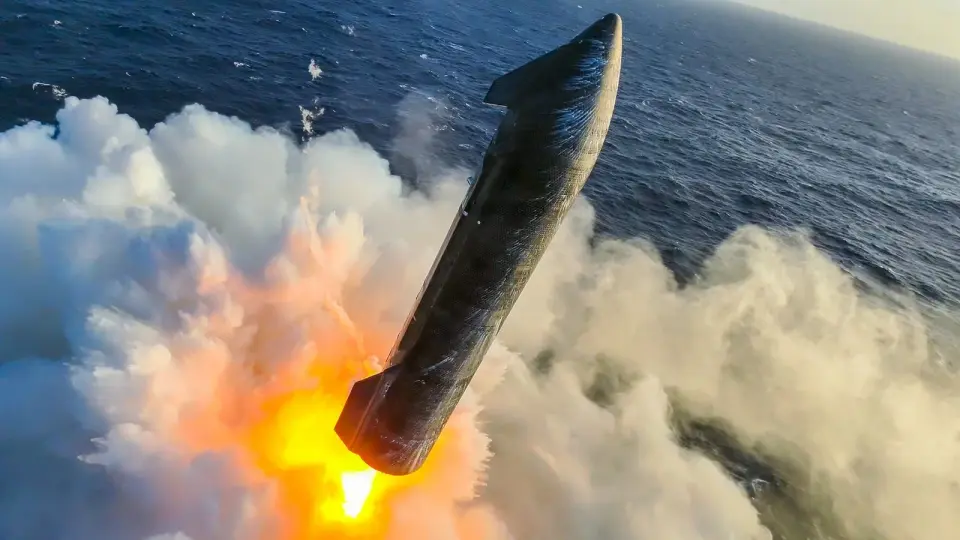
SpaceX’s 13th Starship test flight on July 24, 2026, marked a milestone with the upper stage achieving a soft splashdown in the Indian Ocean and deploying 20 Starlink V3 satellites. The vehicle remained afloat for days, prompting recovery efforts. However, experts warn that heat shield durability remains a critical barrier to the rapid reuse schedule Elon Musk has promised.
Key points
- The 171-meter upper stage of Starship V3 completed a 65-minute suborbital flight, traveling over 16,000 kilometers before splashing down in the Indian Ocean off Western Australia.
- SpaceX confirmed the stage was still floating five days after launch, with recovery teams gathering imagery to assess the vehicle's condition.
- The mission successfully deployed 20 next-generation Starlink satellites and demonstrated a precise landing that SpaceX claims could be caught by tower arms in future tests.
- Former NASA engineers, including Dan Rasky, have labeled Starship’s current thermal protection system a 'dead end' for rapid reusability, citing the need for extensive tile inspections.
- SpaceX aims to have Starship fully operational by 2027 to support NASA’s Artemis III lunar mission, though no date has been set for the 14th test flight.
Background
This follows previous coverage of Starship V3 drifting in the Indian Ocean and SpaceX’s recent deployment of additional Starlink satellites via Falcon 9. Recent stock volatility for SpaceX has been linked to investor concerns over Starship’s reuse costs and flight cadence. Earlier reports noted improvements in heat shield performance but highlighted boundary cracks that could hinder rapid turnaround.
How outlets are covering it
Space.com and Yahoo emphasized the visual success of the splashdown and the strategic importance of the Starlink deployment, highlighting SpaceX’s progress toward Mars and lunar goals. Aviation Week focused on the immediate recovery of the first flown V3, noting the precision of the landing. In contrast, Extreme Tech highlighted a critical technical perspective from former NASA officials, who argue that current heat shield technology cannot support the rapid reuse schedules Musk has promised, potentially undermining the program’s cost-effectiveness. While SpaceX celebrates the 'softest splashdown' to date, critics point to tile boundary issues that could require extensive inspection, contradicting the vision of days-long turnaround times.
Why it matters
The success of Flight 13 is a critical step for SpaceX’s ambitious timeline to support NASA’s Artemis III mission and establish a Mars colony by 2050. However, the debate over heat shield durability directly impacts the economic viability of Starship. If rapid reuse is not feasible, the cost-per-kilogram to orbit may not drop as drastically as projected, affecting both commercial spaceflight and government contracts.
What to watch
SpaceX is currently recovering the Starship V3 upper stage from the Indian Ocean to analyze mission data. The company plans to attempt catching the ship with tower arms during the next flight, though no date has been set for Flight 14. Long-term, the focus will be on resolving heat shield issues to meet the 2027 operational target for NASA’s Artemis III mission.
- Watch SpaceX's Starship land at sea in these stunning new videos space.com
- SpaceX Begins Recovery Of First Flown Starship V3 Aviation Week
- NASA Heat Shield Experts Warn Starship Shielding Could Be a 'Dead End' extremetech.com
- Starship is still floating in the ocean, five days after launch Yahoo
- Super Heavy-Starship rocket chalks up mostly successful test flight Spaceflight Now
Want the full story? Read the original reporting
Read on space.com