
AI Food Slop: Why Generative Menus Trigger Disgust and Backlash
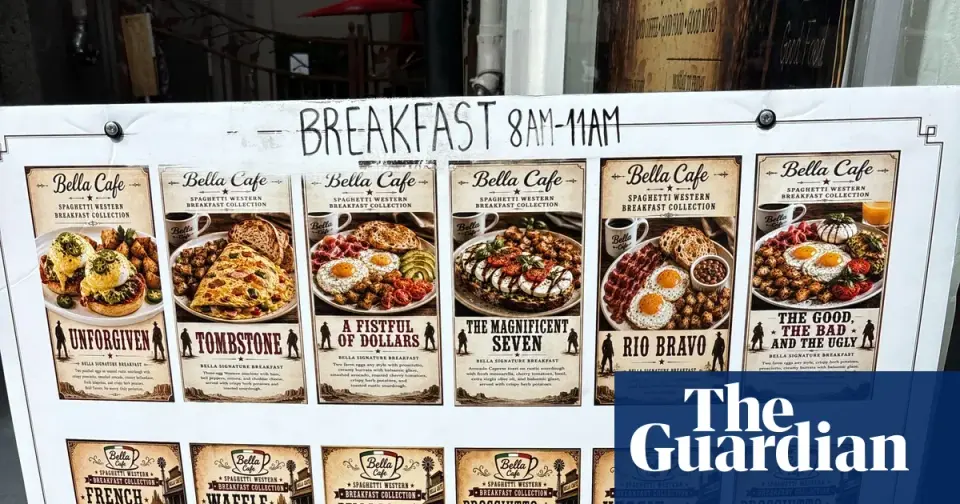
AI-generated food images are triggering widespread consumer disgust and backlash, with diners describing the visuals as 'uncanny' and 'unappetizing.' While 26% of restaurant operators use AI to cut costs amid slim margins, the resulting 'slop' imagery often distorts textures and ingredients, leading to viral outrage, vandalism, and lost revenue. Experts argue that while AI is useful for back-end operations, it fails to capture the authenticity and safety cues essential to food marketing, prompting a shift toward traditional photography or hand-drawn alternatives.
Key points
- 26% of restaurant operators use AI for marketing, inventory, and scheduling, according to a 2026 National Restaurant Association report.
- AI-generated food images often exhibit 'uncanny valley' effects, with textures resembling reptile skin, rubber, or insects, triggering disgust and trypophobia in viewers.
- Consumer backlash includes viral social media posts, fake reviews, and physical vandalism, such as graffiti on a San Francisco cafe that cost $700 to clean.
- Psychologists suggest AI food images trigger evolutionary sensitivities to unsafe food, reducing appetite even when the actual dish is safe.
- Industry experts advise using AI for back-end tasks but recommend traditional photography or hand-drawn illustrations for food marketing to maintain authenticity.
Background
This issue follows earlier reports in September 2026 about AI 'slop' imagery moving from online menus to physical signage, sparking debates over realism and authenticity. Prior coverage highlighted how small businesses adopted AI to combat inflation, leading to surreal visuals that alienated customers. Additionally, August 2026 research from MIT indicated that AI image outputs are difficult to trace to specific training data, complicating accountability for misleading advertisements.
How outlets are covering it
The Guardian and CNN emphasize the visceral consumer reaction to AI food images, citing specific cases of disgust and vandalism. The New Yorker frames the issue as a cultural violation of food's materiality, arguing that AI 'slop' mocks the sanctity of eating. PetaPixel offers a nuanced view, acknowledging that traditional food photography also involves staging but arguing that AI fails because it generates non-existent dishes, breaking trust. While The Guardian and CNN focus on the negative consumer impact, PetaPixel highlights the practical alternatives, such as using smartphone photography, and notes that AI is useful for back-end operations but detrimental for front-end marketing. The New Yorker adds a philosophical dimension, contrasting AI's 'math' approach to food with the cultural and emotional significance of traditional cooking.
Why it matters
The backlash against AI food images signals a broader shift in consumer expectations for authenticity in advertising. As AI becomes more prevalent in marketing, businesses risk losing customer trust and facing physical and digital backlash if they prioritize cost-cutting over genuine representation. This trend may influence regulatory discussions around AI in advertising and push small businesses to adopt more transparent and authentic marketing strategies.
What to watch
Restaurants may increasingly adopt traditional photography or hand-drawn illustrations to avoid AI-related backlash. Regulators might explore guidelines for AI use in food advertising, particularly regarding misleading imagery. Consumer awareness of AI-generated content is likely to grow, with tools like LinkedIn's 'seems like AI slop' button becoming more common. Small businesses may also invest in affordable alternatives, such as smartphone photography, to maintain authenticity without incurring high costs.
- Uncanny and unappetizing: appetites spoil as AI images take over food menus The Guardian
- The Unique Horrors of A.I. Food Slop The New Yorker
- Why restaurants are facing backlash for fake food pictures CNN
- Apparently ‘Photography Is All Fake Anyway’ PetaPixel
- Side of slop? Bizarre AI food images jump from online to IRL menus nbcnews.com
Want the full story? Read the original reporting
Read on The Guardian