
Midterm Shifts Threaten AI Buildout as Democratic Governors Target Data Centers
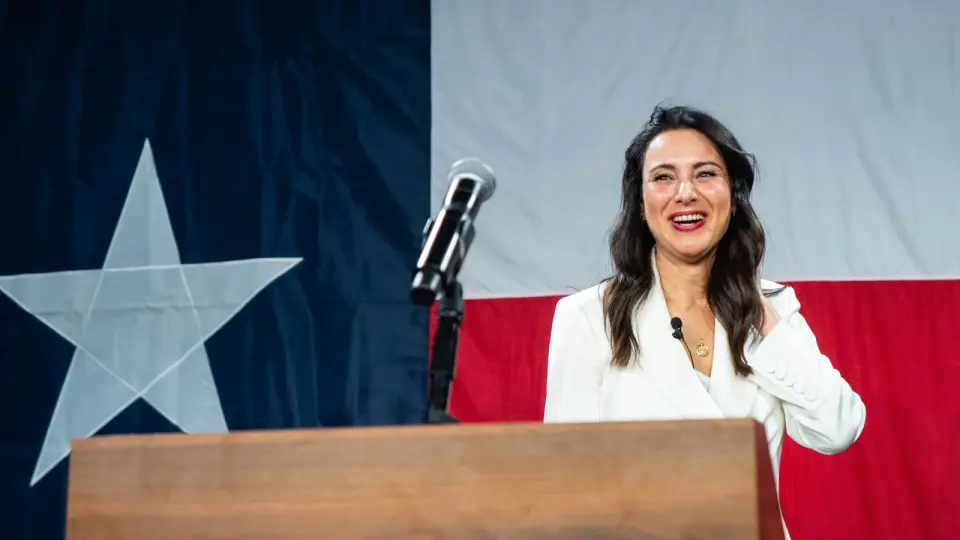
U.S. midterm results have triggered a sharp divergence in AI infrastructure markets, with Democratic gubernatorial victories in key states like Texas signaling tighter regulations on data center construction. While hyperscalers like Microsoft and Amazon saw stock gains due to existing capacity value, debt-funded neoclouds like CoreWeave faced significant declines. Analysts warn that new permitting hurdles could delay projects planned for 2028 and beyond, widening the financial gap between well-capitalized tech giants and smaller competitors.
Key points
- Democratic wins in Texas, Nevada, Georgia, and Ohio have led to proposals for statewide moratoriums on new data center permits, with Texas Governor-elect Gina Hinojosa specifically targeting new projects while exempting those already under construction.
- Market reactions were polarized: Microsoft and Amazon shares rose over 6%, while CoreWeave fell approximately 10% and chipmakers Nvidia and Micron declined, reflecting concerns over financing costs for neoclouds.
- JPMorgan’s James Sullivan noted that borrowing spreads have widened for neoclouds, making their capital costs significantly higher than those of hyperscalers, who benefit from diversified revenue streams and stronger cash flows.
- Nomura and BMI warn that while 2027 capacity is largely under construction, projects slated for 2028 face greater exposure to regulatory delays, potentially slowing overall AI investment.
- Goldman Sachs estimates that states with Democratic governors supporting moratoriums now account for 45% of planned U.S. data center capacity, with Texas alone representing a quarter of the total buildout.
Background
This development follows a period of rising public opposition to AI infrastructure, with over 70% of Americans opposing local data center construction. Earlier in 2026, AI-driven job cuts and rising energy costs had already fueled public anxiety, while polls in states like North Carolina showed a disconnect between voter sentiment and legislative action. The current regulatory shift represents a culmination of these tensions, moving from local resistance to state-level policy changes that could alter the pace of a spending boom accounting for up to 25% of U.S. economic growth.
How outlets are covering it
CNBC emphasizes the financial bifurcation between hyperscalers and neoclouds, highlighting how existing capacity becomes more valuable as new supply is constrained. CNN frames the event as a potential 'paradigm shift' that could slow an unsustainable spending boom, noting that while it may hurt short-term growth, it could lead to more sustainable long-term models and curb questionable business practices. The Atlantic focuses on the political narrative, describing the midterms as a nationwide repudiation of Silicon Valley’s influence, with voters actively rejecting tech-friendly policies and electing candidates who prioritize community interests over corporate expansion.
Why it matters
The outcome of the 2026 midterms introduces significant regulatory uncertainty into the largest investment boom in U.S. history. By potentially restricting new supply, these policies could increase the value of existing infrastructure for established players while threatening the viability of debt-heavy competitors. This shift may slow the pace of AI deployment, alter global competitive dynamics with China, and force a reevaluation of the economic sustainability of current AI infrastructure spending levels.
What to watch
Investors will monitor the implementation of moratoriums in Texas and other Democratic-led states, particularly regarding the treatment of projects already in the permitting phase. The market will watch for signs of refinancing stress among neoclouds, as rising borrowing costs could force some operators to scale back or seek acquisitions by larger hyperscalers. Additionally, the impact on 2028 construction timelines will be a key indicator of how effectively regulatory hurdles are slowing the overall AI buildout.
- The midterms could fuel the K-shaped AI trade CNBC
- America got the anti-data-center wave it voted for. Here come the economic consequences CNN
- Silicon Valley’s Very Bad Night The Atlantic
- Texas data centers face uncertain future after Hinojosa wins governor’s race Reuters
- The AI boom hits a blue-state roadblock Politico
Want the full story? Read the original reporting
Read on CNBC