
Meta Reassesses 2030 Climate Target as AI-Driven Emissions Surge 45%
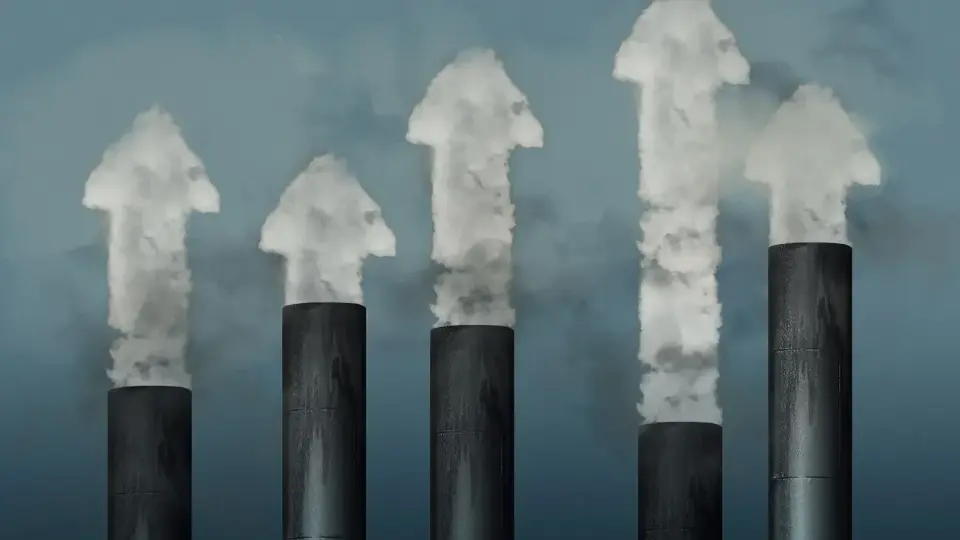
Meta is re-evaluating its 2030 net-zero emissions goal after its latest sustainability report revealed a 45% increase in emissions, significantly outpacing competitors. The surge is driven by the rapid expansion of AI infrastructure, which has outpaced efficiency gains and clean energy deployment. While the company has contracted over 30 gigawatts of clean energy, less than half is currently operational, leading Meta to consider temporary reliance on natural gas plants to meet demand. This strategic shift highlights the tension between aggressive AI growth and environmental commitments, with potential implications for water usage and indirect emissions.
Key points
- Meta’s emissions rose 45%, far exceeding the increases of Google (18%), Amazon (16%), and Microsoft (25%), despite a 35% jump in electricity use comparable to peers.
- Executives stated they are 're-evaluating' the 2030 net-zero goal, citing complex realities that diverged from initial assumptions about clean energy costs and system changes.
- Meta has contracted over 30 gigawatts of clean energy, including nuclear, solar, and geothermal, but less than half of this capacity is currently generating electricity.
- The company may utilize natural gas plants to bridge power gaps, with specific projects underway in Louisiana (5,200 MW), Ohio (200 MW), and Utah (521 MW).
- Water consumption in highly stressed regions rose 24%, and indirect water usage for electricity generation increased 37%, raising concerns about local environmental impacts.
Background
This development occurs against a backdrop of rising U.S. emissions and global concerns over AI's environmental footprint. Recent studies indicate that U.S. data centers emit more CO2 than Denmark, prompting international discussions on clean energy transitions. Meanwhile, the UN Environment Programme has conceded that the 1.5°C warming target is likely unachievable, emphasizing the need for drastic cuts in emissions by 2030. Meta’s reassessment reflects broader industry struggles to balance rapid technological expansion with sustainability goals, particularly as U.S. pollution rises amid policy shifts.
Why it matters
Meta’s decision to reconsider its climate deadline signals a potential shift in how major tech companies prioritize environmental commitments amid the AI boom. If other giants follow suit, it could undermine global efforts to reduce emissions and accelerate reliance on fossil fuels. The increased water consumption and indirect emissions from natural gas usage also highlight the hidden environmental costs of AI infrastructure, affecting communities near data centers and straining local resources.
What to watch
Meta has not specified when or how it will adjust its 2030 goal, but the company is likely to continue expanding its clean energy contracts while potentially increasing reliance on natural gas in the short term. The full impact of planned gas projects on emissions and water usage may not yet be reflected in current reports, suggesting further increases in environmental footprint. Other tech giants may face pressure to reassess their own climate targets as AI demand continues to strain energy and water resources.
Want the full story? Read the original reporting
Read on Axios