
FCC Proposes Retroactive Ban on LiDAR-Enabled Drones, Threatening Consumer and Commercial Models
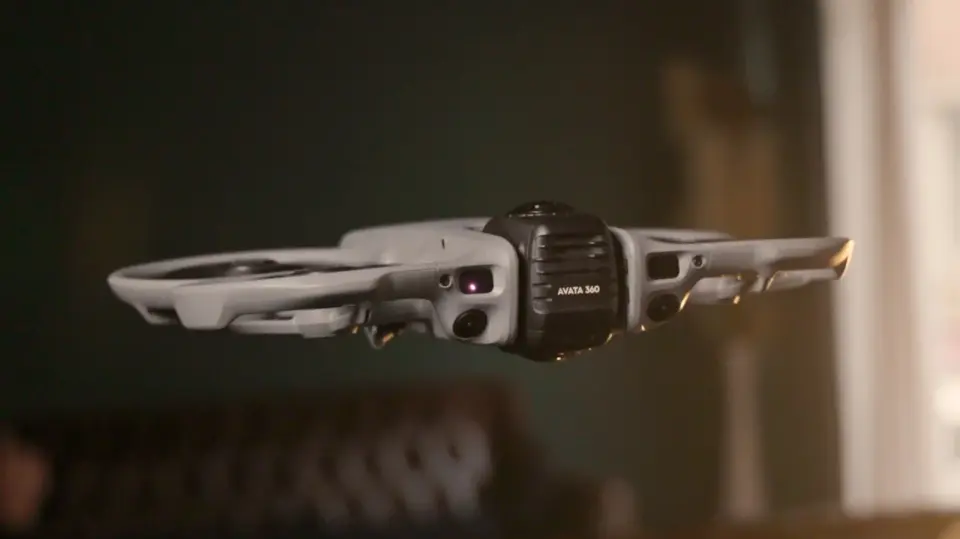
The Federal Communications Commission (FCC) is seeking public comment on a proposal to retroactively ban foreign-made drones previously approved for the U.S. market. The ban targets devices with LiDAR, thermal imaging, and docking capabilities, affecting consumer models like the DJI Air 3S and commercial tools used in agriculture and search-and-rescue. While existing owners can keep their devices, future sales and parts availability would be restricted. DJI and industry advocates argue the definition of 'military-grade' is overly broad and harms civilian users, while the FCC cites national security risks. The comment period ends September 2, 2026.
Key points
- The FCC issued a public notice on July 21, 2026, proposing to extend its drone ban to previously approved models with specific capabilities.
- Targeted features include LiDAR sensing, thermal imaging, aerosol dispensing, docking stations, and swarming capabilities.
- Affected models include DJI Air 3S, Avata 360, Mini 5 Pro, Mavic 3 T, Agras, FlyCart, and Dock series.
- The ban would prevent future sales and imports but not affect drones already purchased by consumers.
- DJI condemned the move as a 'total reversal' of the FCC's prior stance, arguing LiDAR is a safety feature, not a military capability.
- The public comment period for the proposal ends on September 2, 2026.
Background
In December 2025, the FCC added foreign-made drones to its Covered List, restricting new imports but allowing previously approved models to remain on the market. In July 2026, the FCC expanded its ban to include companies suspected of rebranding DJI products, such as Skyrover and Xtra. This latest proposal marks a significant escalation, as it seeks to retroactively revoke authorizations for models already cleared for sale, reversing the agency's previous position that only new models would be affected.
How outlets are covering it
Engadget and PCMag report that the FCC's proposal targets drones with LiDAR and thermal imaging, affecting both consumer and commercial models. PCMag emphasizes the impact on photographers, videographers, and first responders, noting that LiDAR is used for obstacle avoidance, not military purposes. DJI's official blog strongly opposes the ban, calling it a 'total reversal' and arguing that the FCC's definition of 'military-grade' is overly broad, capturing civilian tools used by farmers, businesses, and public safety agencies. DJI stresses that no security vulnerabilities were identified in its products when it was added to the Covered List. TechRadar's content is largely obscured by website scripts, but its headline aligns with the other sources in highlighting DJI's dissatisfaction with the retroactive nature of the ban. All sources agree that the comment period ends September 2, 2026, and that existing owners will not be forced to surrender their devices.
Why it matters
This proposal could significantly disrupt the U.S. drone market by removing popular consumer and commercial models from retail shelves. It affects industries ranging from agriculture and infrastructure inspection to public safety and media production. The retroactive nature of the ban challenges the principle of regulatory stability and raises questions about the balance between national security concerns and civilian access to advanced technology. If implemented, it could lead to parts shortages, reduced software support, and higher costs for users who need to replace or maintain their equipment.
What to watch
The FCC will review public comments submitted before the September 2, 2026 deadline. Based on this feedback, the agency will decide whether to finalize the retroactive ban. Industry groups and individual users are encouraged to submit comments via the FCC's Electronic Comment Filing System to voice concerns about the impact on civilian and commercial drone use. If the ban is approved, manufacturers will be barred from selling the affected models, and parts and software updates may become scarce or unavailable.
- The FCC Wants To Ban Drones With LiDAR That It Previously Approved Engadget
- The FCC Could Cut Off Future Access to Popular DJI Drone Models in the U.S. – Here’s What You Can Do About It DJI Blog
- The FCC Moves to Retroactively Ban Drones With LiDAR Obstacle Avoidance PCMag
- DJI slams a 'total reversal' from the FCC as the regulator proposes to pull previously approved drones off shelves TechRadar
- DJI Calls On American Drone Pilots To Fight FCC Ban On Already-Approved Drones DroneXL
Want the full story? Read the original reporting
Read on Engadget