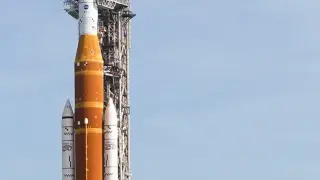
Xiaodong He, a Chinese tourist, pleaded guilty to a federal misdemeanor for flying a drone in restricted airspace near NASA's Kennedy Space Center in late July. He faces up to one year in prison and a $100,000 fine, though his defense argues for time served due to financial hardship.
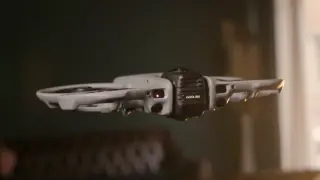
The Federal Communications Commission is moving to retroactively revoke approvals for foreign drones with LiDAR or thermal imaging, potentially banning previously certified DJI models. While existing owners can still use their devices, new sales and parts may be restricted, sparking a legal battle and public comment period.
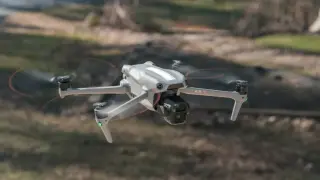
The Federal Communications Commission (FCC) is seeking public comment on a proposal to retroactively ban foreign-made drones previously approved for the U.S. market. The ban targets devices with LiDAR, thermal imaging, and docking capabilities, affecting consumer models like the DJI Air 3S and commercial tools used in agriculture and search-and-rescue. While existing owners can keep their devices, future sales and parts availability would be restricted. DJI and industry advocates argue the definition of 'military-grade' is overly broad and harms civilian users, while the FCC cites national security risks. The comment period ends September 2, 2026.
The FCC is seeking public comment on a proposal to retroactively ban the import and sale of previously authorized foreign drones equipped with 'military-grade' features, including LiDAR, thermal imaging, and docking stations. This move targets popular consumer and commercial models from DJI, such as the Air 3S and Mavic 3 T, potentially removing them from US retail shelves by September 2026. While existing owners can continue using their devices, the ban would restrict new sales and spare parts, impacting photographers, farmers, and first responders. The agency argues these technologies pose national security risks, while critics contend the definitions are overly broad and harm civilian industries.