
Midterm voters reject AI expansion, triggering market sell-off and regulatory delays
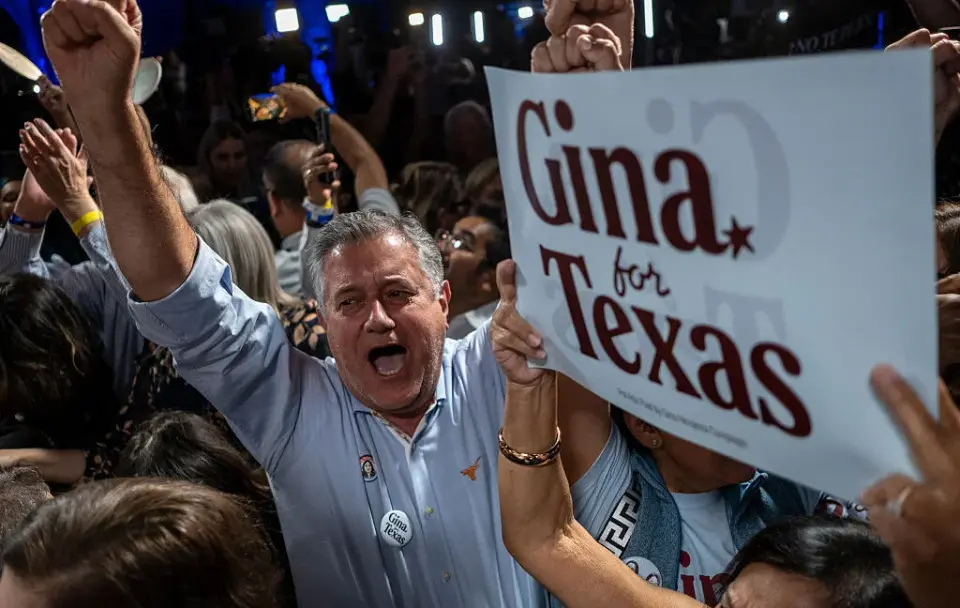
US voters in the 2026 midterms overwhelmingly supported measures restricting AI data centers, with 38 of 44 such initiatives passing across 10 states. Democrats won key governorships in Texas, Arizona, Georgia, and Ohio, prompting a significant sell-off in AI-linked stocks. While industry leaders frame the results as an anti-Trump vote rather than an anti-tech mandate, analysts warn that new state-level moratoriums will delay projects and increase costs, potentially benefiting China in the global AI race.
Key points
- Polling firm Redbud Consulting reported that 38 of 44 data center restriction measures passed across 10 states, including numerous moratoriums and bans.
- Gina Hinojosa won the Texas governor’s race, vowing to delay data center projects until new laws address water, electricity, and property rights; Texas accounts for over 41% of planned 2028 data center capacity.
- Nasdaq-100 futures fell 0.8%, while AI-focused stocks like CoreWeave and SpaceX dropped by 7% and 6% respectively, as investors feared regulatory delays.
- NBC exit polls indicate 75% of voters oppose data centers, with over half citing AI and data centers as crucial factors in their congressional votes.
- Elon Musk’s SpaceX increased its 2027 data center capacity target to 13 gigawatts, despite facing a pollution lawsuit and political opposition from newly elected Democrats.
Background
This election follows a period of growing public resentment toward tech giants, highlighted by recent polls linking Republican tax breaks to AI risks and a wave of media portrayals depicting tech leaders as antagonists. The 2026 midterms represent the first major electoral test of public sentiment regarding the rapid expansion of AI infrastructure, which had previously been framed primarily as an economic development tool.
How outlets are covering it
Industry representatives, including Adam Kovacevich of the Chamber of Progress, argue the results reflect an anti-Trump sentiment rather than a mandate against technology, noting that some Democratic candidates opposed data center bans. Conversely, civil rights leaders like Alejandra Montoya-Boyer describe the outcome as a clear voter demand for AI regulation, citing polls showing widespread opposition to data centers. Financial analysts from Wells Fargo and Bank of America view the Texas governor’s race as a critical 'left-tail event' for the AI trade, warning that state-level restrictions could trigger a significant slump in tech stocks. International economists suggest that US regulatory delays may provide China with a competitive advantage in exporting cost-effective AI services.
Why it matters
The election results signal a fundamental shift in the political landscape for AI infrastructure, moving from rapid, unrestricted expansion to a model constrained by state-level regulations and community concerns. This could delay billions in investment, alter the global competitive balance in AI development, and force major tech firms to reconsider their reliance on US-based data centers, potentially impacting the pace of AI innovation and the financial stability of companies heavily invested in the sector.
What to watch
Investors will monitor the pace of state-level moratoriums, particularly in Texas, where delays could extend 12 to 18 months for projects lacking environmental permits. Democrats in Congress may attempt to pass federal regulations, though they face potential vetoes from President Trump. Tech firms like SpaceX and Oracle will likely adjust their expansion timelines and locations, possibly shifting projects to states with more favorable regulatory environments or exploring international alternatives.
- Big Tech claims voters’ AI backlash is “anti-Trump” not “anti-tech” Ars Technica
- AI data center stocks and Musk's SpaceX decline as Texas governor result raises risks of a slowdown CNBC
- Data centers score worse than Republicans in Election Day rout SFGATE
- Voters Rejected A.I. in the Midterms. Now Comes an Era of Scrutiny. The New York Times
- Only One Town Out of Dozens in US Voted in Favor of Data Centers Bloomberg.com
Want the full story? Read the original reporting
Read on Ars Technica