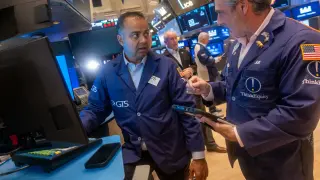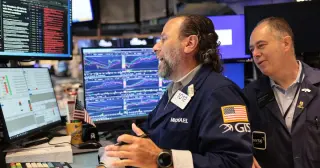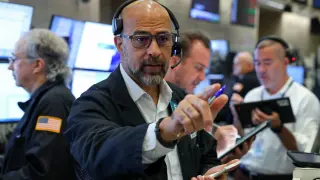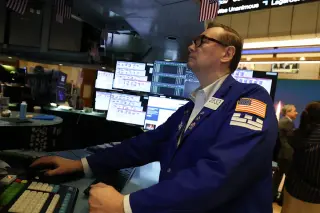
The Nasdaq and S&P 500 opened lower as semiconductor stocks led the decline, with memory-chip names Sandisk (SNDK) and Micron (MU) among the biggest drags after weekend rumors that Apple could source from CXMT; other chipmakers softened, while consumer staples outperformed and names like Airbnb (ABNB) and Visa (V) rose in early trading.
U.S. stock futures edged lower in premarket trading as simmering Middle East tensions, rising Treasury yields (the 30-year above 5.3%), and a rally in crude oil above $90 weigh on risk assets. Nasdaq futures fell by about 1% and S&P 500 futures around 0.5% as investors digest geopolitical risk and mixed earnings chatter. Analysts remain divided on the near-term path—Evercore ISI sketches a bullish path to a much higher S&P 500, BTIG warns of a potential ~7% pullback, and Ray Dalio cautions that AI optimism could echo past bubbles. Focus stocks include META, TSLA, NVDA, MU, NBIS, SLS, and HD, with NBIS expanding Vineland capacity and SLS news in play ahead of earnings season. Oil strength and rising yields also color the backdrop as traders await key data and events (including Home Depot’s earnings).
Tech stocks fell early after Metaoutlined its AI vision (including the Muse Glimmer on-device model) and Intel announced a $15 billion stock sale to fund growth in the AI era.
Asian tech equities slid in step with U.S. tech losses, with SK Hynix down about 9.7% and Samsung Electronics around 6% in South Korea, and SoftBank and other peers trading lower in Japan as AI‑fueled bets keep markets volatile; JPMorgan says the AI investment cycle remains intact and expects no meaningful pullback in 6–12 months, despite near‑term selloffs.
Tech stocks rose early as investors await SpaceX’s first quarterly earnings after the bell, with AMD and Palantir due to report and Nvidia later in August; Amazon hit a $3 trillion market cap and Microsoft kept climbing after strong results, while SpaceX sits roughly 30% below its debut, making its maiden earnings a potential catalyst amid AI and chip-market dynamics.
The tech stock selloff highlights a core investing lesson: massive, scalable companies focused on shareholder value tend to win even as AI spending remains uncertain. Meta’s cautious lack of specific 2027 capex guidance spooked investors, reinforcing the market’s aversion to hype, while the results from Starbucks and Coca‑Cola illustrate durable growth and profitability driven by fundamentals rather than AI ambitions.
Stocks rose on a chip-led rebound amid cooling inflation, with Microsoft up about 16% after strong Q4 results and unchanged AI-capex guidance. Meta declined after missing earnings and soft AI-spending signals. Samsung posted an outsized profit surge, lifting Micron alongside gains in Sandisk and Lam Research as AI demand remained strong. SpaceX advanced on news of a $1.6 billion Space Force contract, while Arm rose on upbeat Q1 results and Qualcomm fell on softer earnings. Apple slipped ahead of its report and Amazon rose ahead of its results, reflecting a broader market move driven by AI and hardware demand.
Apple and Amazon beat expectations in Q2: Apple revenue $109.4B with EPS of $2.02 and Amazon revenue $200.6B, driven by AWS growth and ad revenue. Apple’s services revenue missed forecasts, and Amazon’s free cash flow declined. Amazon stock jumped after hours; Apple remains a market leader and, after this quarter, has become the world’s most valuable company as Tim Cook passes the CEO helm to John Ternus, who plans to expand entertainment. Investors still weigh ongoing AI-spending by tech giants amid broader market volatility.
Situational Awareness, a $20bn hedge fund run by Leopold Aschenbrenner, is offloading a large portion of its public equity holdings after a tech stock sell-off caused steep losses. The firm has been in talks with multiple investors and banks to sell assets or raise fresh capital, shifting toward a deal with a single large buyer to move quickly and limit losses. It also maintains significant private positions, including Anthropic, and had surged in assets on heavy borrowing and concentrated AI bets, but faced capital pressures and a recent decline in performance that prompted talks with investors and a lean eight-person team.
Fortune reports that China’s Changxin Memory Technologies (CXMT) sparked a global chip-stock rout after a dramatic market debut: CXMT jumped dramatically, then slid about 4% as peers like Micron, Intel, and TSMC fell, with SK Hynix and Samsung dropping sharply in Korea. Analysts cited doubts about AI capital spending and increased competition, fueling a broad chip selloff that dragged U.S., Europe, and Asia indices lower and underscoring investor nerves about the AI‑driven demand cycle.
Citigroup strategists say the Magnificent Seven framing is no longer a reliable guide to AI winners, urging investors to focus on a broader growth cluster of big tech and AI infrastructure names that drive S&P 500 earnings and market value. The Mag 7 have underperformed in 2026 and their price correlations have broken as investors rotate toward AI adopters and enablers; Citi notes growth-cluster valuations remain historically attractive, suggesting bets should exceed the traditional Mag 7 vs. rest narrative.
Tech stocks slid as investors questioned whether AI investments would deliver, dragging major indexes lower with Nvidia leading the decline; a new Chinese AI model and rising open-source competition deepened worries about AI spending, while Netflix forecast a weak Q3 and volatility climbed, signaling a broader tech-market pullback.
Investors are reassessing artificial intelligence investments as surging AI infrastructure spending could weigh on earnings growth and valuation multiples, even as demand for AI services remains robust. Large tech players like Microsoft, Alphabet and Meta can finance this capex through cash flow, but higher depreciation and potential slower share buybacks may pressure valuations. Oracle appears higher risk, while Nvidia could face competition as rivals develop their own AI chips. Overall, the long-term AI outlook remains positive, but the pace of revenue and margin expansion will influence whether current spending is justified.
New York Times reporting on Trump’s 2025 disclosures shows he purchased up to $5 million of Amazon, Apple, Meta, Microsoft, NVIDIA and Broadcom on July 23—the same day the White House unveiled its AI Action Plan. The piece notes this followed a pattern of well-timed trades, cites a prior Dell bet ahead of a large defense contract, and states he did not disclose these buys initially, for which he paid a small fine. Brokers reportedly execute trades for accounts tied to the Trump family, raising questions about transparency and timing.
U.S. stock futures pulled back on Wednesday after an AI-led rally, with Dow and S&P 500 futures down about 0.4% and Nasdaq-100 futures about 0.6%, following a session that saw the Dow hit a record and tech stocks rally on the back of AI. Investors are weighing easing headwinds like oil prices and ongoing U.S.–Iran talks while awaiting the June jobs report due Thursday to gauge the Fed’s likely path for rate hikes later this year.