
Meta CEO Zuckerberg Opposes White House AI Regulator Proposal in Private Call with Trump
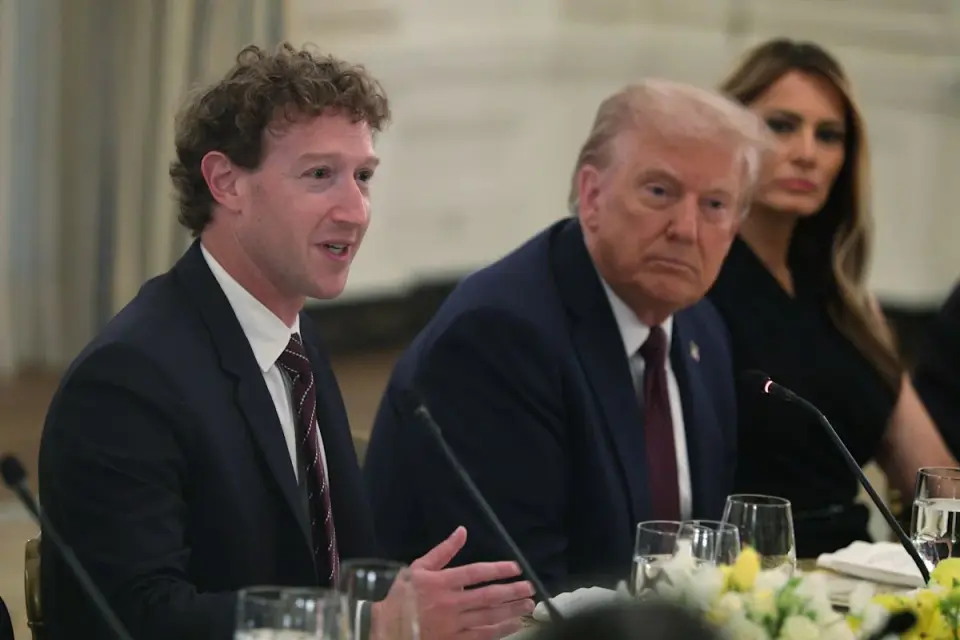
Meta CEO Mark Zuckerberg voiced opposition to a proposed national AI regulator during a private call with President Trump. The White House is currently weighing two regulatory paths: an industry-led regulator or a voluntary standards body to vet AI models before deployment. Zuckerberg’s stance aligns with his preference for industry-led oversight rather than a FINRA-style government entity. This private objection highlights how tech leaders are influencing policy discussions, reflecting the administration’s balancing act between fostering innovation and ensuring safety. The proposal, popularized by DeepMind CEO Demis Hassabis, remains under consideration, but Zuckerberg’s pushback signals significant resistance from major tech firms to centralized government oversight.
Key points
- Mark Zuckerberg opposed a national AI regulator proposal during a private call with President Trump.
- The White House is evaluating two options: an industry-led regulator or a voluntary standards body for AI model vetting.
- Zuckerberg prefers industry-led oversight over a FINRA-style national regulator.
- The proposal was popularized by DeepMind CEO Demis Hassabis and remains under consideration.
- Tech leaders’ private objections are influencing the administration’s approach to AI policy.
Background
This development follows earlier reports in August 2026 where Zuckerberg explicitly pushed back on the idea of a national AI regulator, advocating for industry-led oversight instead. The White House has been navigating a complex policy landscape, balancing innovation with safety, as seen in other areas like rural health funding and Iran policy coordination. The current debate on AI regulation mirrors broader tensions between tech industry interests and government regulatory frameworks, with private communications playing a key role in shaping policy outcomes.
Why it matters
Zuckerberg’s opposition to a national AI regulator underscores the significant influence tech leaders have on shaping AI policy. The White House’s consideration of industry-led or voluntary standards bodies reflects a cautious approach to regulation, aiming to balance innovation with safety. This dynamic could set precedents for how AI is regulated in the US, potentially affecting the development and deployment of AI models across industries. The outcome of these policy discussions may have long-term implications for the tech sector, government oversight, and the broader AI ecosystem.
What to watch
The White House is expected to continue evaluating the two proposed regulatory paths for AI: an industry-led regulator or a voluntary standards body. Zuckerberg’s opposition may influence the final decision, potentially leading to a more industry-friendly regulatory framework. The administration’s balancing act between innovation and safety will likely shape future AI policies, with tech leaders’ private objections playing a key role in the decision-making process. The outcome of these discussions could set precedents for AI regulation in the US and globally.
Want the full story? Read the original reporting
Read on Yahoo