
Bezos Predicts AI-Driven Shorter Workweeks and 2028 Lunar Landings
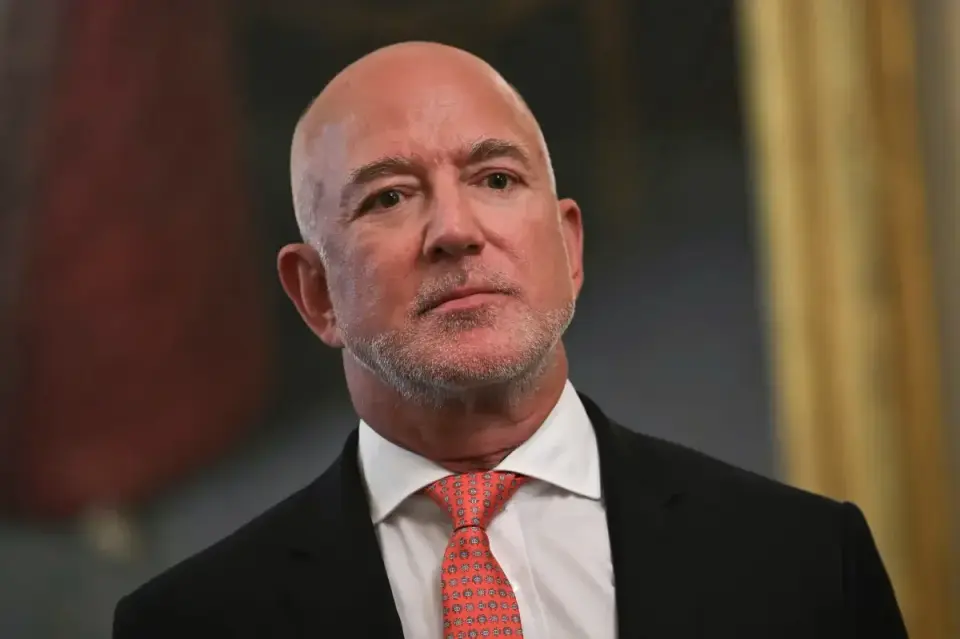
Jeff Bezos outlined a dual vision for the future of space and work in an interview with Fox News. He expressed confidence that the U.S. will land humans on the moon by 2028 to beat China, while predicting AI will boost productivity enough to allow some Americans to work three-day weeks. Bezos also discussed orbital data centers and light-touch AI regulation.
Key points
- Bezos stated the U.S. must beat China to the moon, targeting a 2028 human landing.
- He predicted AI productivity gains could enable some families to live on one income or work shorter weeks.
- Blue Origin plans to return the New Glenn rocket to flight in December after a May engine test explosion.
- Bezos has personally invested $28 billion in Blue Origin, which recently raised $10 billion from outside investors.
- He proposed orbital data centers via Project Sunrise, with an FCC application for over 50,000 satellites.
Background
This interview follows a period of intense U.S.-China AI competition, including recent U.S. accusations of Chinese model distillation and the launch of Western open-weight models like Reflection AI's Beam. It also comes after President Trump's announcement of an 'AI Force' to accelerate domestic AI development, highlighting a broader national push to maintain technological supremacy.
How outlets are covering it
Fox News and The Times of India reported the interview with near-identical details, emphasizing Bezos's confidence in the 2028 moon landing and his AI-driven labor predictions. The New York Post framed the story similarly but highlighted the political pushback against 'billionaire villain' narratives. All sources noted Bezos's defense of light-touch AI regulation and his argument that Amazon's recent layoffs were due to pandemic-era over-hiring, not AI displacement.
Why it matters
Bezos's predictions signal a potential shift in labor dynamics and space policy. If AI productivity gains materialize as described, it could reshape workforce expectations and corporate hiring. Simultaneously, his push for a sustained lunar presence and orbital infrastructure could redefine U.S. space strategy in the race against China.
What to watch
Watch for Blue Origin's December New Glenn launch and progress toward the 2028 lunar landing. Monitor AI productivity metrics and labor market trends to see if shorter workweeks become common. Track the status of Blue Origin's FCC application for orbital data centers.
- Jeff Bezos reveals AI vision that could transform the American workweek New York Post
- Jeff Bezos reveals his vision for America's next frontier — from AI to the moon Fox News
- Fox News Anchor Bret Baier Lands Exclusive Interview With Jeff Bezos Timed to Air on Network��s 30th Anniversary AOL.com
- Jeff Bezos Takes Aim at Politicians ‘Picking Villains’ Over Housing Costs as Socialism Debate Grows: 'Whe Benzinga
- Jeff Bezos calls Mars a destination for humans, but wants to take Americans to Moon first, and in less than three years, as ... The Times of India
Want the full story? Read the original reporting
Read on New York Post