
FCC Proposal Would Retroactively Ban Consumer Drones with LiDAR and Thermal Sensors
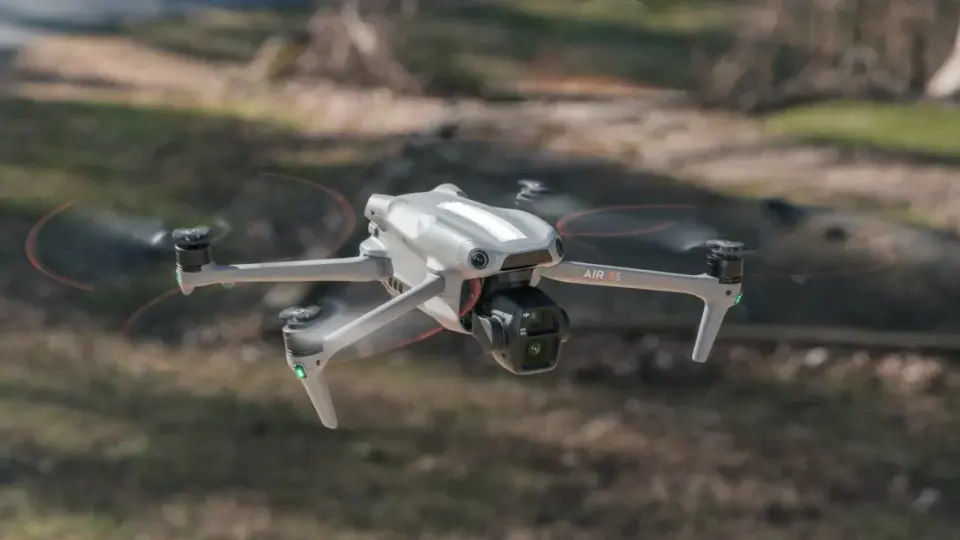
The FCC is seeking public comment on a proposal to retroactively ban the import and sale of previously authorized foreign drones equipped with 'military-grade' features, including LiDAR, thermal imaging, and docking stations. This move targets popular consumer and commercial models from DJI, such as the Air 3S and Mavic 3 T, potentially removing them from US retail shelves by September 2026. While existing owners can continue using their devices, the ban would restrict new sales and spare parts, impacting photographers, farmers, and first responders. The agency argues these technologies pose national security risks, while critics contend the definitions are overly broad and harm civilian industries.
Key points
- The FCC issued a public notice on July 21, 2026, proposing to prohibit the import and marketing of foreign-made drones that possess specific 'military-grade' capabilities, even if they were previously authorized for sale.
- The proposed definition of 'military-grade' includes drones with LiDAR sensors, thermal imaging cameras, aerosol dispensing systems, docking stations, and those weighing 55 pounds or more.
- This proposal would affect popular DJI models like the Air 3S, Avata 360, Mini 5 Pro, and Mavic 3 T, as well as agricultural and delivery drones, potentially removing them from US retail markets.
- The public comment period for this specific proposal ends on September 2, 2026, while a related notice regarding white-labeled DJI clones has a deadline of August 31, 2026.
- Existing owners of affected drones are not prohibited from using their devices, but the ban would prevent new imports, sales, and potentially the availability of replacement components.
Background
This development follows the FCC's addition of DJI and Autel Robotics to its Covered List in late 2025, which blocked new authorizations for their equipment. The current proposal extends this by targeting previously authorized products, a shift from the agency's previous forward-looking bans. Earlier in 2026, the FCC also moved to ban foreign-made robot vacuums and other consumer electronics, citing national security concerns, though critics argued these measures hinder innovation and consumer choice without addressing specific cybersecurity risks.
How outlets are covering it
PCMag and PetaPixel highlight the impact on civilian users, noting that DJI argues the FCC's broad definitions unfairly target commercial and recreational tools, such as LiDAR for obstacle avoidance and thermal cameras for search-and-rescue. DJI maintains it does not manufacture military equipment and that the ban would increase costs and limit consumer choice. Akin Gump provides a legal analysis, detailing the specific technical criteria the FCC is using to define 'military-grade' and noting that the ban would not apply to federal government use or commercial testing. CineD emphasizes the uncertainty for industry professionals, warning that drones currently in kits could be affected if the proposal is adopted. All sources agree that the ban is not yet final and depends on the outcome of the public comment period.
Why it matters
The potential retroactive ban could significantly disrupt the US market for drone technology, affecting industries ranging from agriculture and construction to media and emergency services. It raises questions about the balance between national security concerns and the availability of advanced civilian technology. The outcome of the public comment period will determine whether these restrictions are implemented, potentially reshaping the competitive landscape for drone manufacturers and impacting the cost and availability of essential tools for professionals and hobbyists.
What to watch
The FCC will review public comments submitted by September 2, 2026, for the 'military-grade' drone proposal and by August 31, 2026, for the white-labeled DJI clone proposal. Following the comment period, the FCC is expected to issue a final determination on whether to prohibit the import and marketing of the affected equipment. If the ban is enacted, companies would have 180 days to cease importation and marketing of the 'military-grade' drones and 30 days for the white-labeled clones, as per the proposed timelines.
- The FCC Moves to Retroactively Ban Drones With LiDAR Obstacle Avoidance PCMag
- The FCC Is Weighing a Retroactive Ban on DJI Drones it Previously Allowed PetaPixel
- FCC Seeks Comment on Limiting Continued Importation and Marketing of Certain Previously Authorized Equipment Added to the FCC’s Covered List on December 22, 2025 akingump.com
- The Drone in Your Kit Could Be Next – US FCC Proposal Targets Thermal and LiDAR Models Already Approved for Sale CineD
- Seeking Comment on Prohibiting the Importation and Marketing of Certain Foreign-Produced Military-Grade Uncrewed Aircraft Systems (UAS) and UAS Critical Component for Non-U.S. Government, Including Those With Swarming Capabilities fdd.org
Want the full story? Read the original reporting
Read on PCMag