
Loudoun County’s 20-Year Data Center Boom Offers a Preview of America’s AI Infrastructure Future
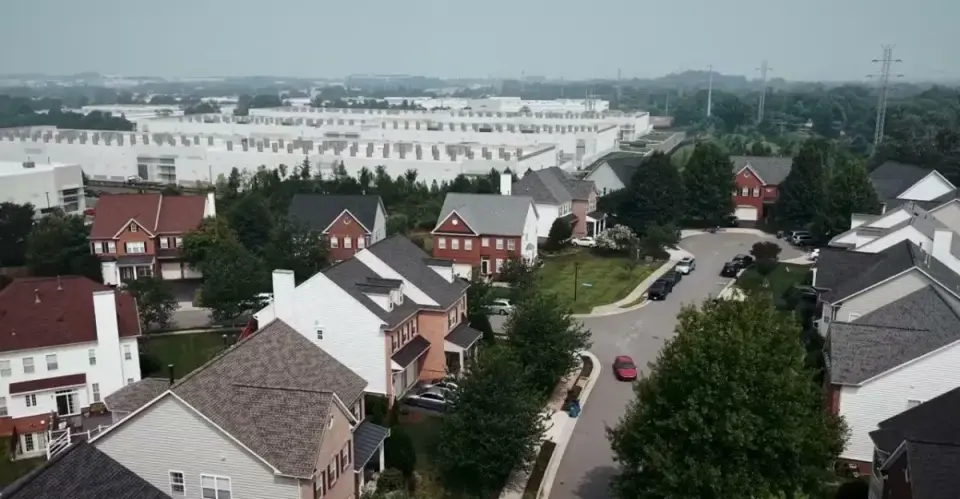
Loudoun County, Virginia, serves as a 20-year preview of the current national data center boom, having transformed from a dot-com hub into the world’s densest data center cluster. While this shift generated massive tax revenue and reduced property taxes for residents, it has also sparked intense local opposition due to noise, visual impact, and resource strain. As the US faces a surge in AI-driven infrastructure demand, Loudoun’s experience highlights the tension between economic benefits and community backlash, with national polls showing 70% of Americans oppose nearby construction. Meanwhile, global efforts to build data centers are consolidating US technological dominance, as countries trade geopolitical alignment for access to American compute hardware.
Key points
- Loudoun County, Virginia, hosts approximately 250 data centers, the densest concentration globally, having pivoted from AOL’s headquarters in the 1990s to a major tech hub after the dot-com crash.
- Data centers now generate over half of Loudoun’s tax revenue, exceeding the county’s operational budget by $35 million in 2024 and reducing resident property tax rates from $1.29 to 80 cents per $100 assessed value since 2008.
- A May 2026 Gallup poll found that 70% of Americans oppose building AI data centers in their local areas, with opposition becoming a central issue in the 2026 midterm elections.
- US data center power demand is forecast to double from 31 gigawatts in 2025 to 66 gigawatts in 2027, straining grids and prompting concerns about natural gas reliance and water usage.
- Global data center expansion is consolidating US AI leadership, as countries like the UAE and India build facilities but remain dependent on US hardware ecosystems, trading geopolitical alignment for compute access.
Background
This story follows a broader national trend where hyperscalers plan to spend approximately $750 billion on AI infrastructure in 2026, the largest capital project in human history. Previous coverage highlighted bipartisan political backlash, including Willie Nelson’s open letter opposing rural data center expansion to protect farmland and water resources. The current surge is driven by generative AI’s need for processing power, with 3,000 data centers already operating in the US and 1,500 more in development.
How outlets are covering it
The Verge emphasizes Loudoun County’s historical role as a pioneer, noting that while data centers brought prosperity, recent community opposition has grown more vocal and vitriolic, with residents citing noise and visual impacts. CBS News focuses on the practical strain on resources, highlighting that US power demand will double by 2027 and that water usage could reach 161 billion gallons annually in Texas by 2030, though it notes this is less than golf courses or residential toilets. The Financial Times argues that global data center expansion does not equal decentralization of power, as countries remain dependent on US hardware ecosystems, consolidating American geopolitical influence. Fox News takes a pro-industry stance, emphasizing how data centers power everyday services like streaming, banking, and AI tools, framing them as essential infrastructure for modern life rather than a burden.
Why it matters
The data center boom is reshaping American communities, economies, and global technology power dynamics. As AI demand accelerates, the tension between economic benefits and local opposition is intensifying, with data centers becoming a central political issue. The US’s lead in hardware and software ecosystems is creating a system of geopolitical alignment, where countries build facilities but remain dependent on American technology. Understanding Loudoun County’s 20-year experience offers a preview of the challenges and opportunities facing communities across the US as the data center buildout continues.
What to watch
As data center expansion accelerates, expect continued community opposition and political debate over siting, energy, and water use. The US may see more states like New York and Texas implementing moratoriums or audits to manage grid strain. Globally, countries will continue building data centers but remain dependent on US hardware, consolidating American technological dominance. The 2026 midterm elections will likely feature data center opposition as a central issue, with candidates addressing community concerns and resource strain.
- Your future is in Virginia The Verge
- National data centre projects are consolidating America’s AI lead Financial Times
- From Netflix to GPS: 10 ways this hidden tech infrastructure quietly powers modern life Fox News
- What are data centers? How AI is driving massive growth, energy demand and community pushback CBS News
- The rules of data center development are evolving. Is your strategy? Utility Dive
Want the full story? Read the original reporting
Read on The Verge